
KEY POINTS
- Weba Chute Systems says DEM should verify and optimise chute designs, not replace engineering expertise.
- Real-world conditions can differ sharply from design assumptions, making practical mining experience essential.
- Combining engineering calculations, field experience and DEM analysis can improve chute reliability, reduce wear and minimise maintenance.
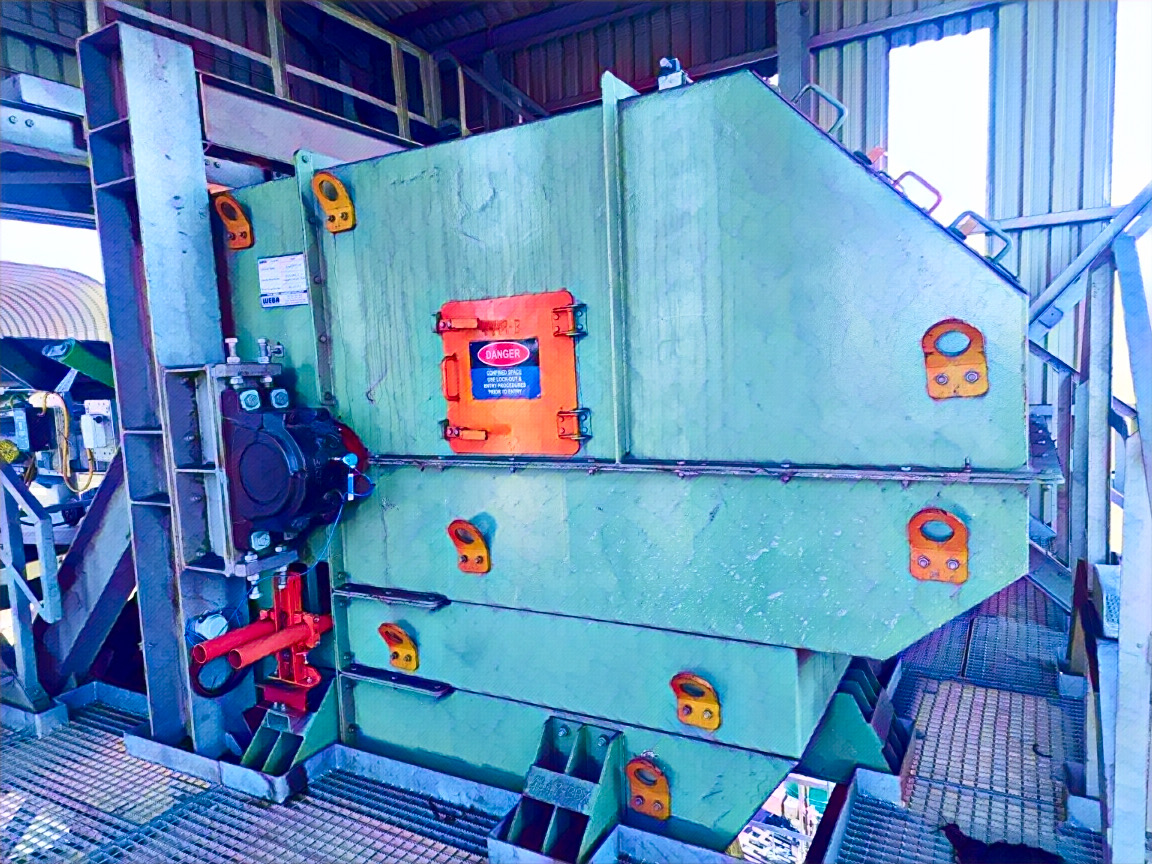
Weba Chute Systems has stressed that Discrete Element Method (DEM) simulation should be used to verify and improve transfer chute designs rather than replace the engineering expertise and practical experience required to develop them.
The company says an overreliance on computer modelling could leave mining operations exposed when actual conditions differ from the assumptions used in simulations.
According to Weba Chute Systems Managing Director Mark Baller, DEM has become widely used across the global mining industry because it can provide detailed information about how mined materials move through transfer chutes.
However, he cautioned that the technology should not be mistaken for a substitute for engineering knowledge.
Baller explained that the company’s approach begins with established engineering principles, calculations and practical experience. Once a chute has been designed, DEM software is then used to test and refine the design and determine whether it is likely to perform effectively under the specified operating conditions.
This approach, he said, allows engineers to combine the benefits of advanced digital modelling with lessons gained from actual mining operations.
More than 5,000 transfer points inform the company’s approach
Weba Chute Systems says its engineering methodology has been shaped by experience gained from designing more than 5,000 transfer points around the world.
The company uses this accumulated knowledge to establish the basic design before applying DEM analysis. The simulation can then be used to examine issues such as material trajectories, impact forces, potential material build-up and the effectiveness of chute liners.
The company believes this combination of practical engineering and computer-based verification produces more dependable results than attempting to develop chute designs solely through digital simulations.
One of the major challenges in chute design is that actual mining conditions can differ considerably from the information provided during the design stage.
The characteristics of mined material can change depending on particle size, moisture, temperature and other environmental or operational factors. These changes can significantly affect how material behaves as it moves through a transfer chute.
Baller said DEM simulations are only as reliable as the information entered into them. While software can model a defined set of conditions, it cannot realistically reproduce every variable that may occur at an operating mine.
This makes field experience particularly important when designing equipment that must continue functioning under changing conditions.
One of the major challenges in chute design is that actual mining conditions can differ considerably from the information provided during the design stage.
The characteristics of mined material can change depending on particle size, moisture, temperature and other environmental or operational factors. These changes can significantly affect how material behaves as it moves through a transfer chute.
Baller said DEM simulations are only as reliable as the information entered into them. While software can model a defined set of conditions, it cannot realistically reproduce every variable that may occur at an operating mine.
This makes field experience particularly important when designing equipment that must continue functioning under changing conditions.