
KEY POINTS
- EU grants strategic status to two KGHM projects worth $2.44bn.
- New mine targets 1.5 million tonnes of copper by 2055.
- Legnica smelter to recycle 135,000 tonnes of copper annually.
The European Commission has designated two major investments by Polish copper producer KGHM Polska Miedz as strategic projects, in a move aimed at strengthening Europe’s copper supply and reducing its dependence on foreign suppliers, particularly China.
The projects, valued at a combined 9.5 billion Polish zlotys ($2.44 billion), will expand copper mining and recycling capacity in Europe as the European Union steps up efforts to secure supplies of critical raw materials.
KGHM announced the designation on Friday, October 9, 2026, saying the projects align with the bloc’s strategy to develop more reliable and sustainable sources of essential industrial materials.
Copper is widely used in electricity networks, renewable energy infrastructure, electric vehicles and manufacturing, making reliable access to the metal increasingly important to Europe’s industrial and energy transition.
New mine targets 1.5 million tonnes of copper
One of the designated projects is the Retków-Grodziszcze mining development, which aims to extract more than 100 million tonnes of ore by 2055.
The project is expected to produce nearly 1.5 million tonnes of copper and more than 5,000 tonnes of silver over its planned development period.
The investment would strengthen Poland’s contribution to Europe’s domestic copper production and help reduce the bloc’s exposure to supply disruptions in international commodity markets.
Developing additional mining capacity is also part of the EU’s broader effort to secure the raw materials needed for industrial production, electrification and the expansion of clean energy technologies.
However, the project’s long-term production target means its contribution will depend on successful development and the ability to bring the planned resources into production.
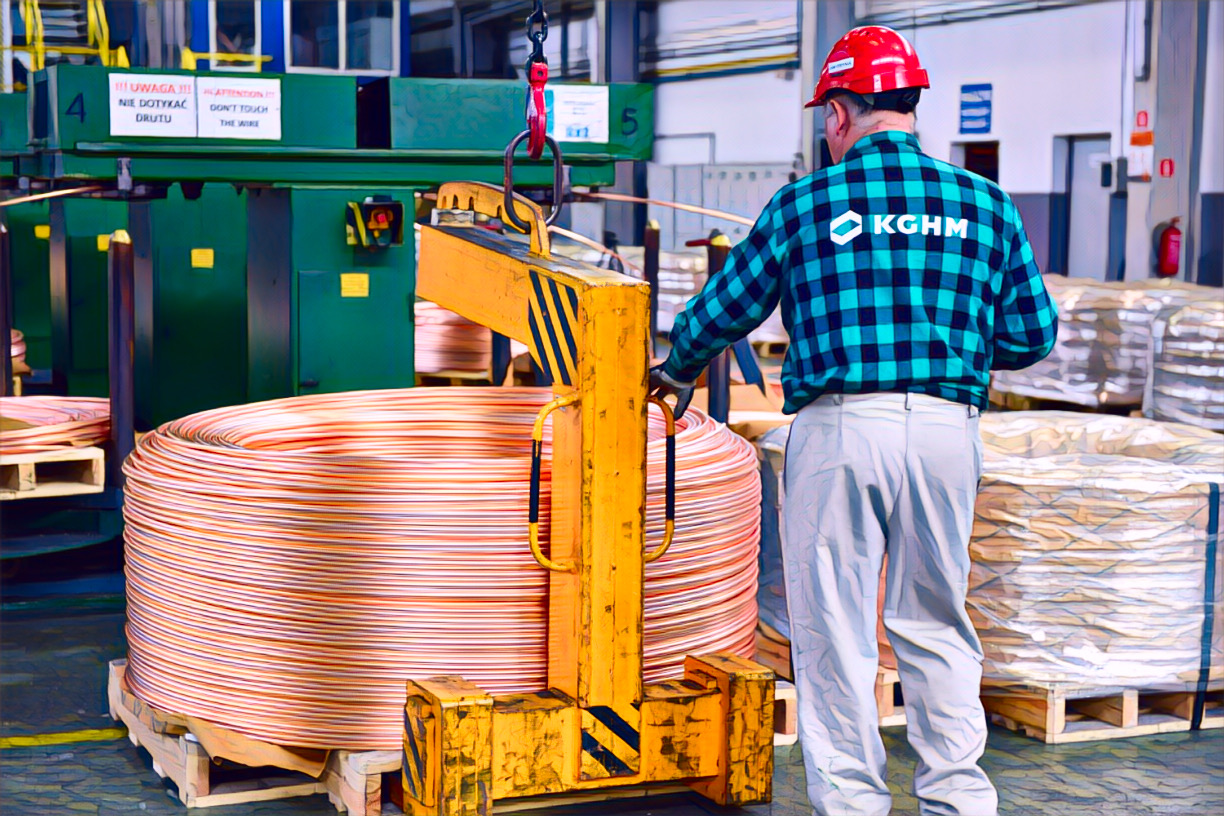
The second project involves transforming KGHM’s Legnica smelter into a copper recycling facility.
The upgraded facility is expected to produce approximately 135,000 tonnes of electrolytic copper annually, alongside 250 tonnes of nickel.
The investment will expand Europe’s ability to recover valuable metals from recyclable materials rather than relying entirely on newly mined resources or imports.
Increasing metal recycling is a central part of the EU’s Critical Raw Materials Act (CRMA), which seeks to improve the security and sustainability of supplies of materials essential to the bloc’s economy.