
KEY POINTS
- Ghana’s central bank plans to prioritise rebuilding foreign exchange reserves.
- Gold exports by state buyer GoldBod have been paused since August.
- Ghana’s gold reserves fell to 24.4 tonnes in June from 33 tonnes a year earlier.
Ghana’s central bank is preparing to focus on rebuilding its foreign exchange reserves in the coming months as the country faces weaker current-account conditions, declining gold reserves and a pause in gold exports by state-owned gold buyer GoldBod.
Bank of Ghana Governor Johnson Asiama disclosed the plan at the opening of the Monetary Policy Committee’s meeting on Wednesday.
He said policymakers would need to balance relatively positive domestic economic conditions with growing uncertainty in the global economy, including the impact of the conflict in the Middle East and higher international oil prices.
According to Asiama, the combination of weaker external balances, declining reserves and the suspension of GoldBod’s gold exports has increased the need to strengthen Ghana’s financial buffers ahead of the final quarter of the year.
Gold exports pause adds pressure
GoldBod, which oversees Ghana’s domestic gold purchasing programme, has paused gold exports since August.
The state buyer plays an important role in Ghana’s gold sector by aggregating locally produced gold for export and reserve accumulation. Part of the gold acquired through the programme is also transferred to the Bank of Ghana as part of efforts to strengthen the country’s reserves and support the cedi.
The interruption in exports therefore creates an additional challenge for policymakers as they seek to maintain adequate foreign exchange buffers.
Asiama said the central bank would need to pay close attention to developments ahead of the fourth quarter, when demand for foreign exchange typically increases.
The governor described rebuilding reserves as a key priority for the central bank over the coming months.
Ghana’s gold reserves fall
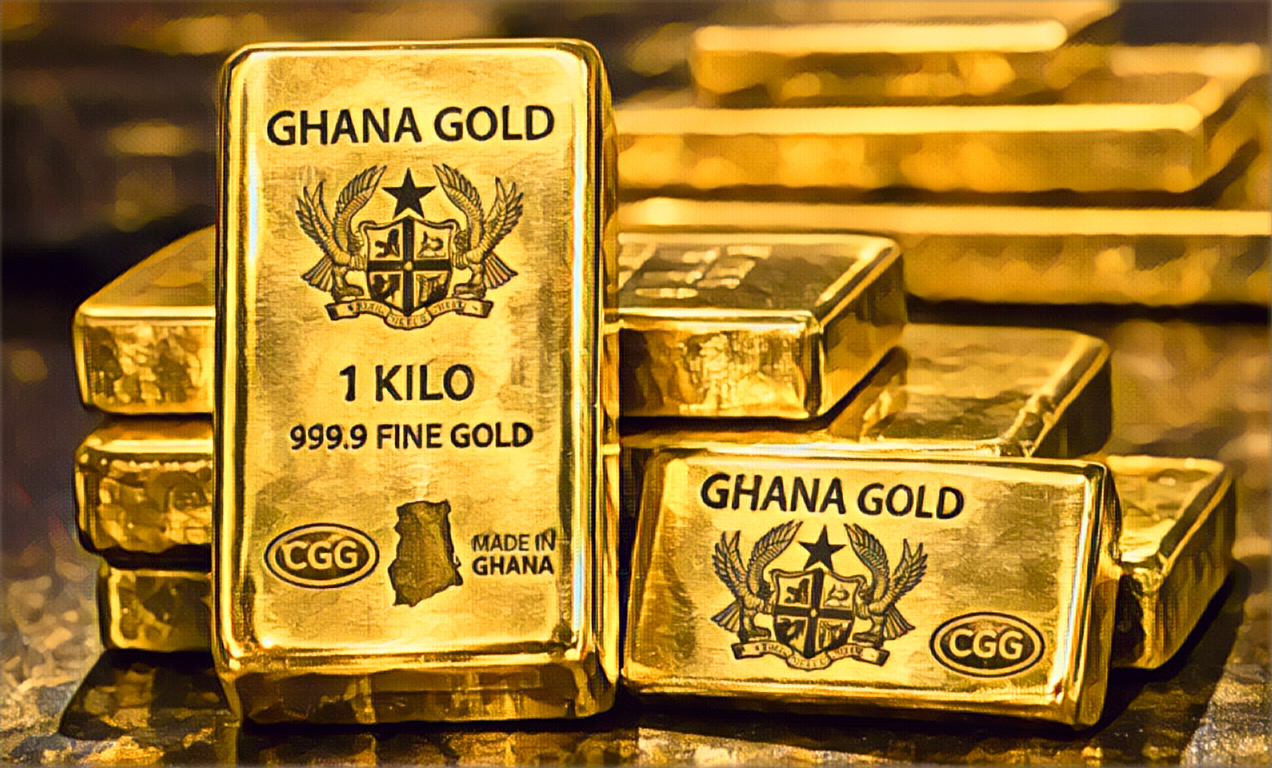
Ghana’s gold reserves stood at 24.4 metric tonnes in June 2026, down from 33 tonnes recorded a year earlier.
The decline reflects gold sales during 2025 and lower-than-targeted purchases from large-scale mining companies.
The reduction comes despite government efforts to increase the amount of locally produced gold that can contribute to national reserves.
In May, Ghana increased the proportion of annual gold production that large-scale miners are required to sell to the central bank to 30%, up from 20%.
The policy forms part of a broader effort to strengthen Ghana’s reserves through the country’s gold production rather than relying solely on traditional foreign exchange sources.
Gold programme remains central to reserve strategy
Ghana has increasingly linked its gold sector to efforts to strengthen its external financial position.
Under the domestic gold purchase programme, GoldBod buys locally produced gold and aggregates it for export and reserve accumulation.
The model also provides the central bank with access to physical gold that can contribute to its reserve assets.
However, the recent fall in gold reserves and the pause in GoldBod exports have increased the importance of rebuilding the country’s external buffers.
The central bank is also preparing for potentially higher foreign exchange demand in the final quarter, when businesses and other market participants typically require more foreign currency for payments and imports.
Economy still recording strong growth
The reserve concerns come despite continued economic growth in Ghana.
The country’s economy expanded by 6.0% in the second quarter of 2026, according to the Ghana Statistical Service.
The figure, however, was below the revised 6.6% growth recorded in the corresponding period of 2025.
The central bank therefore faces the task of managing an economy that is still expanding while responding to pressures on its external accounts and reserves.
Global developments could further complicate the outlook, particularly if higher oil prices persist because Ghana, like many other oil-importing economies, can face increased foreign exchange demand when energy import costs rise.
The Bank of Ghana’s renewed focus on reserves reflects concerns about the country’s ability to maintain sufficient foreign exchange buffers as external pressures build.
The central bank is expected to monitor the current account, gold flows, foreign exchange demand and global commodity prices as it works to strengthen its reserves.
For Ghana, gold remains a major component of this strategy, making the resumption of GoldBod’s export operations and increased purchases from domestic producers important factors in efforts to rebuild the country’s reserve position.