
Key points
- Savmin, developed in 1998, precipitates dissolved sulphates from mine water into stable solids, including commercial-grade gypsum.
- Earlier pilots in 2008 and 2016 fell short, but new intellectual property using amorphous aluminium oxide revived the process.
- Mintek is now building an in-house mobile pilot plant in a six-meter container to run under real conditions.
Mintek is reviving a water treatment technology first developed in 1998, betting that two decades of research and hard-won lessons can finally turn acid mine drainage into potable water and a sellable byproduct.
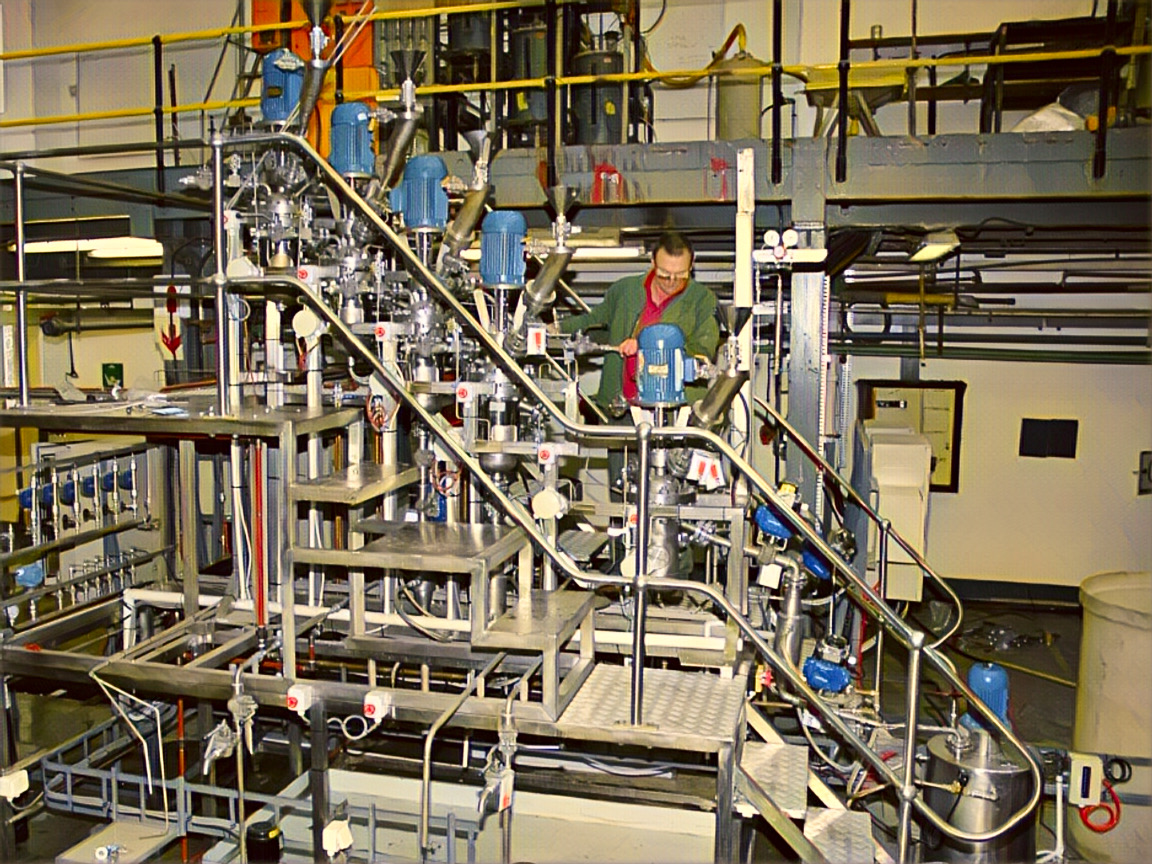
The South African minerals research body is building a mobile pilot plant for its Savmin process, designed to fit inside a standard six-meter container and treat 5,000 liters of mine-impacted water a day.
According to Mintek, the new unit will validate recent process refinements under actual field conditions.
Savmin takes its name from a partnership between Savannah Mine and Mintek. It is an ettringite-based chemical treatment that precipitates dissolved sulphate contaminants, such as calcium sulphate, into stable solids, including commercial-grade gypsum. In theory, that means cleaner water out one end and a product to sell out the other.
A long road of setbacks
The path has not been smooth. In 2008, Mintek’s first pilot plant, built with Atomaer, used commercial aluminium oxide to precipitate calcium sulphate into ettringite. However, the material proved unreactive, and the project was shelved.
By 2010, new intellectual property had emerged around amorphous aluminium oxide, which reacts far better and can be recovered from the resulting ettringite for reuse.
Mintek then partnered with Viola Water Technologies in 2016 on a further pilot, which generated valuable insights.
Later, the organization built its own reactors and ran additional trials confirming the process could work with more refinement.
“What began more than two decades ago has evolved through setbacks, new knowledge and technological advances,” said Mintek CEO Molefi Motuku.
In his view, the story shows why sustained research matters, because setbacks generate knowledge and partnerships open new doors.
Chasing zero waste
The current push targets both performance and cost. Metallurgist Tshamano Netshikhudini said Mintek is refining Savmin into a zero-waste process while cutting the expense tied to the quality of recovered amorphous aluminium oxide, which has been a drag on commercial viability.
Consequently, the pilot plant serves two purposes: proving the chemistry at scale and raising the technology’s visibility with potential industry partners.
The work sits within Mintek’s Integrated Solutions for Mine Impacted Water program, which takes a whole-of-value-chain view of water treatment, reuse and efficiency.
Research areas include water-efficient processing flowsheets, process modeling, acid mine drainage prevention and environmental monitoring.
Motuku said the program combines Mintek’s strengths in mineral processing, hydrometallurgy and environmental technologies to help the industry use less water, recover more and ensure that what leaves a mine does not become an environmental burden.
As water scarcity tightens across South Africa’s mining regions, that resilience is becoming a commercial necessity rather than a nice-to-have.