
KEY POINTS
- KCM signed a $498m deal with China NERIN.
- The plant will add 70,000 tonnes of copper yearly.
- Zambia targets 3 million tonnes by 2031.
Vedanta’s Konkola Copper Mines, KCM, has signed a $498 million agreement with China’s NERIN Engineering to build a major copper recovery plant in Zambia, targeting additional production from existing mine tailings.
The project is expected to add 70,000 metric tons of copper production annually by processing mine waste at KCM’s operations in Chingola, in Zambia’s Copperbelt Province.
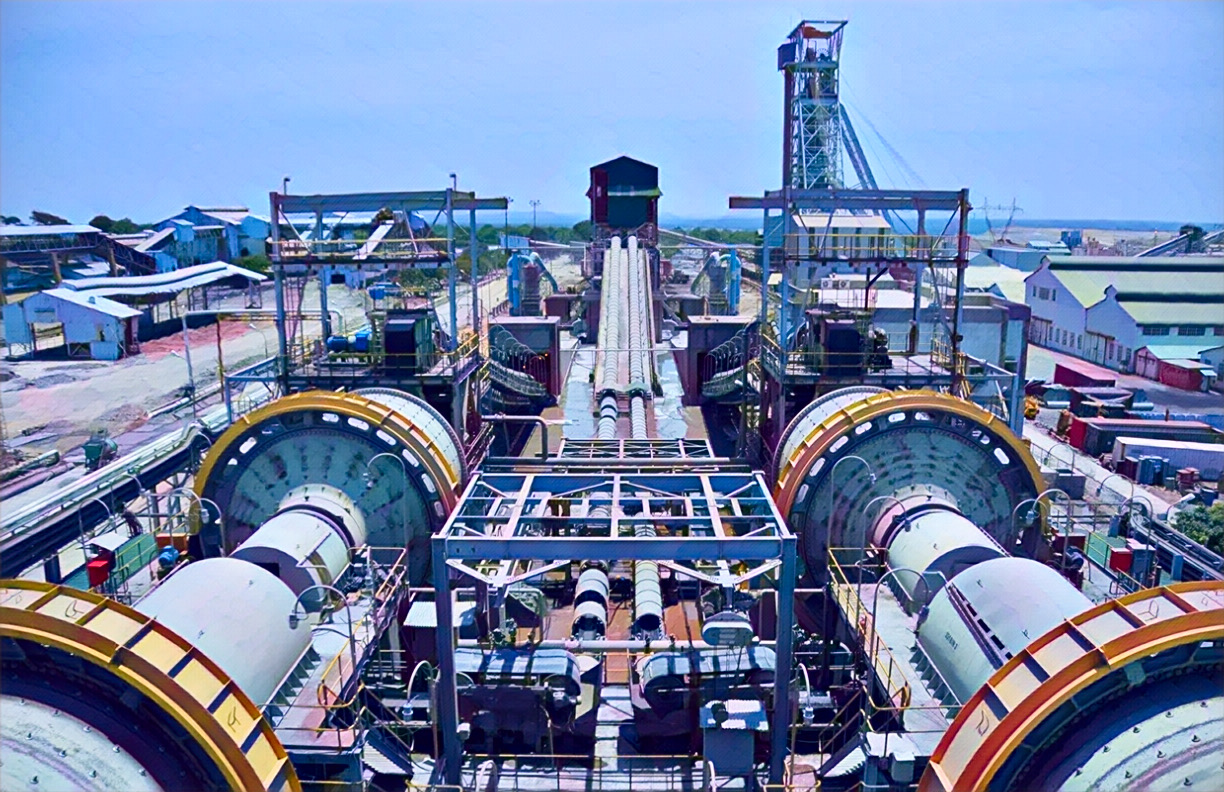
The facility is expected to be the largest plant of its kind in Africa and will use leaching technology to extract copper from tailings that have already been generated by mining operations.
Plant to turn mine waste into copper
Under the agreement, China NERIN will provide engineering, procurement and construction services for the project.
Its responsibilities will also include commissioning support, performance testing and training as KCM prepares the facility for operations.
The use of leaching technology will allow KCM to recover copper from existing tailings, providing an additional source of production without relying solely on the extraction of fresh ore.
The project forms part of KCM’s wider expansion programme as the company seeks to increase output and improve the recovery of copper resources across its operations.
Recovering metal from tailings can also reduce the amount of potentially valuable material left in mining waste, extending the economic value of previously processed ore.
Zambia targets higher copper output
The KCM investment comes as Zambia seeks to substantially increase national copper production.
The country produced 890,346 metric tons of copper in 2025 and has set a target of reaching three million metric tons annually by 2031.
The government has been encouraging investment in new mines, expansion projects and technologies that can improve production from existing operations as it pursues the target.
KCM’s planned recovery plant is expected to contribute to that broader production drive by adding 70,000 metric tons of annual output once operational.
The project also comes at a time of strong long-term demand expectations for copper.
Copper demand remains strong
Copper is increasingly important to power infrastructure, renewable energy projects, electric vehicles and data centers because of its conductivity and durability.
The expansion of electricity grids and investments in clean-energy infrastructure are expected to support demand for the metal over the longer term.
Zambia is Africa’s second-largest copper producer after the Democratic Republic of Congo, making the sector a major contributor to the country’s mining industry and export earnings.
The Democratic Republic of Congo, however, recorded a nearly 15% decline in copper exports in the first quarter, adding to changing supply conditions across Africa’s copper-producing region.
KCM’s new recovery plant therefore represents both an expansion of the company’s production base and an effort to extract additional value from material already present at its mining operations.
The $498 million investment could also demonstrate how tailings processing is becoming an increasingly important part of copper production as miners seek to improve resource recovery and respond to growing demand for the metal.