
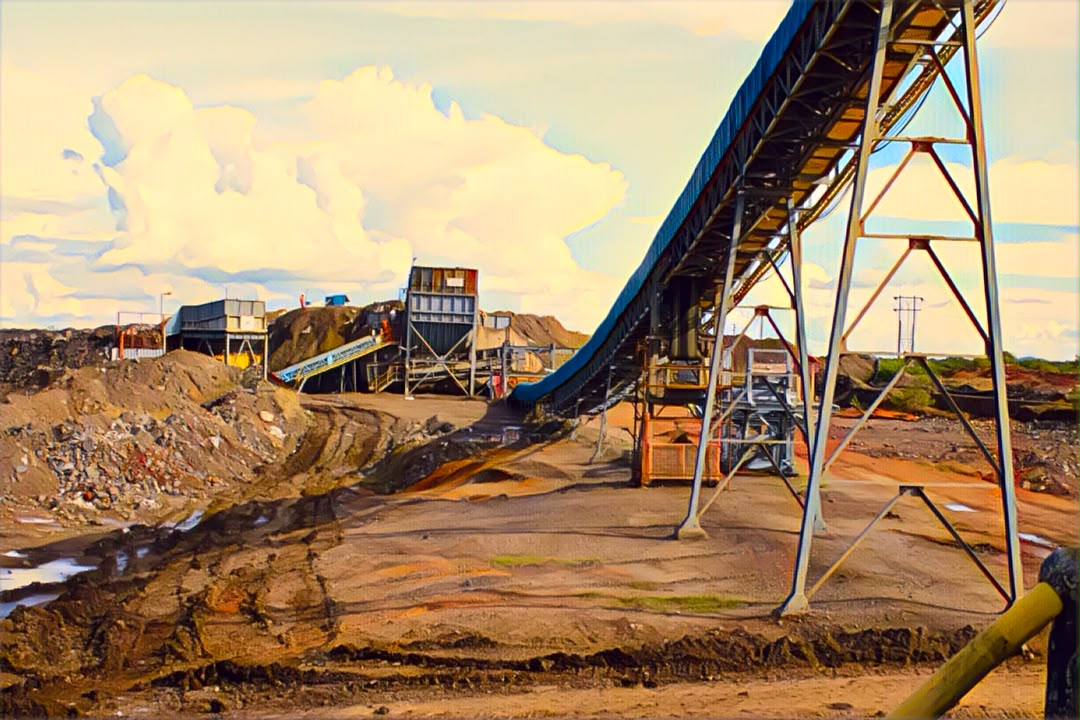
Congo’s copper and cobalt miners could save about $1 billion a year on electricity once a new power line from Zambia is running, a Trafigura executive said.
The Congo power project, called the Kalumbila Kolwezi Interconnector, was agreed Oct. 6 by Trafigura, Congo’s Strategic Investment Fund, developer EnPower and Gridworks Development Partners. The 200 kilometer high voltage line will connect Kalumbila in Zambia with Kolwezi in Congo’s Copperbelt mining region.
Why the Congo power project matters
Congo’s Copperbelt faces a power shortfall of more than 1 gigawatt, and most of the gap is filled by costly diesel generators. Mining and refining projects have stalled because affordable, steady electricity is not available. The new line aims to change that.
Power is the main constraint on copper and cobalt production across the region. Many mines run on diesel, which is expensive to buy and haul, and exposed to swings in oil prices. With Brent near $100 a barrel this week, that exposure is costly.
Congo is among the world’s biggest producers of both metals, which are central to electric vehicle batteries and power grids. Reliable electricity would help miners lift output and pay more taxes to the government.
The line has a thermal capacity of 700 megawatts and can bring up to 550 megawatts into Congo. Designers can expand it beyond 1 gigawatt. It also connects to a substation at First Quantum Minerals’ Sentinel mine in Zambia and strengthens Congo’s link to the Southern African Power Pool, which lets neighboring grids trade electricity.
Construction is expected to cost about $300 million. Trafigura will arrange a significant share of the debt financing.
Who is behind it
Gridworks has said it intends to be lead equity investor and majority shareholder. Congo’s Strategic Investment Fund and EnPower, the original developer, are partners. The partners say the project is in its final stage of development, with concessions, licenses and authorizations largely secured. Zambia’s regulator approved the link last year.
Gridworks chief executive Chris Flavin said both countries stand to benefit from closer interconnection. He said the project is anchored by mining demand but has room to serve the wider population.
Zambian power producers also stand to gain, because the line opens an export route for their surplus electricity.
What remains unclear
The partners signed a framework agreement, not a final investment decision. Dates for construction and first power were not announced, and details on how the $1 billion estimate was calculated were not immediately available. Actual savings will depend on tariffs, financing costs and how much diesel generation miners replace.
Trafigura has faced hurdles before. It withdrew from a proposed 2,000 megawatt line to bring Angolan hydropower to Congo and Zambia, reportedly because of financing challenges. The Zambian link is smaller, closer to completion and backed by partners with local stakes.
Congo’s Copperbelt miners have waited years for steady, affordable power. A signed framework agreement is a start, but the real cost savings will come only when electricity actually flows through the wires and miners can switch off their diesel generators.