
KEY POINTS
- More than 100 people were reportedly killed after a gold mine collapsed in Zamboye, CAR, with rescue efforts still ongoing.
- The disaster highlights the dangers of poorly regulated artisanal mining, where workers often lack basic safety equipment and operate in unstable pits and tunnels.
- The repeated mining accidents across CAR and other African countries are renewing calls for stronger regulation, better enforcement and safer working conditions.
More than 100 people have reportedly died after a gold mine collapsed in the Central African Republic (CAR), highlighting the dangers faced by thousands of people working in informal and poorly regulated mining operations across the country.
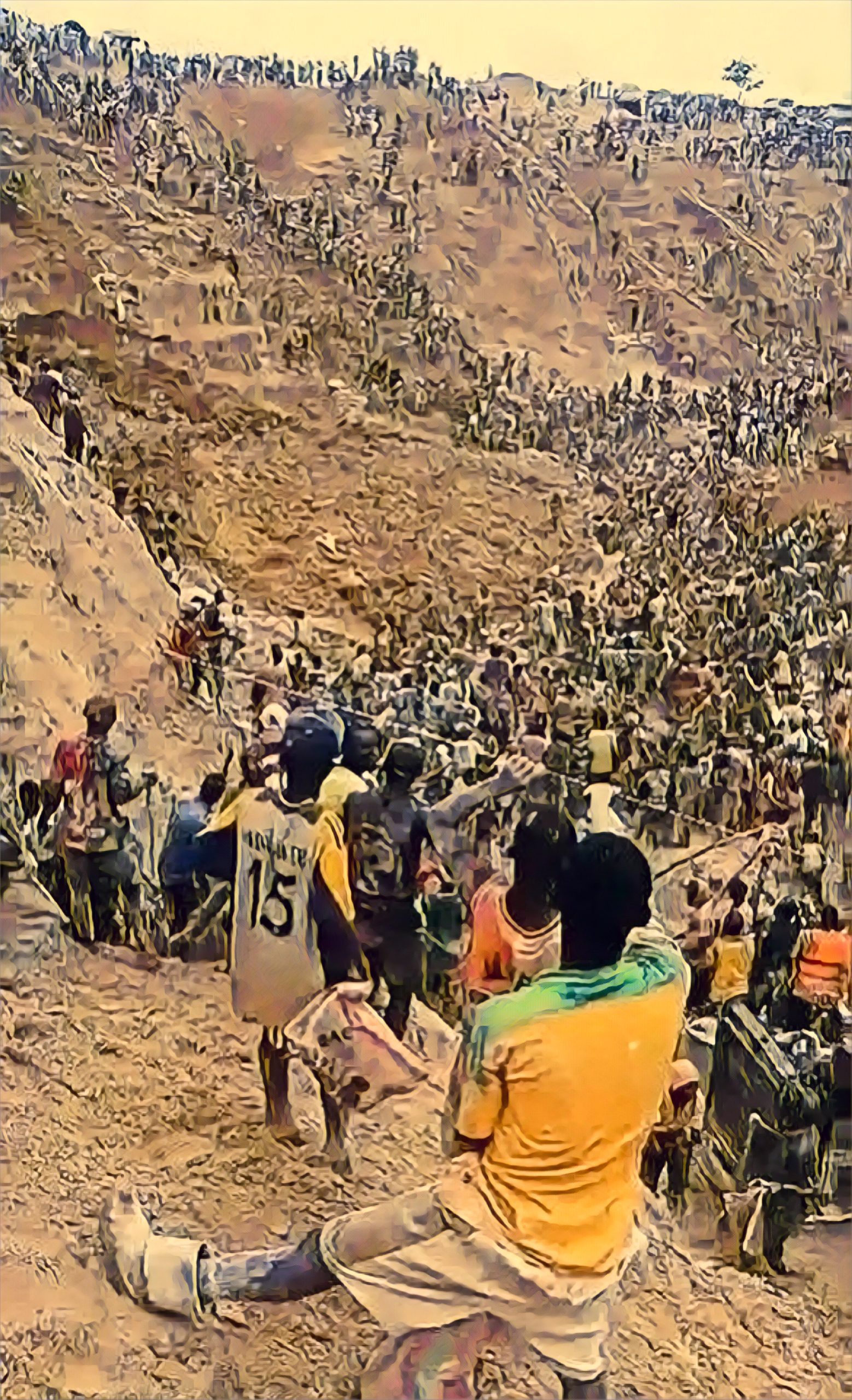
The disaster occurred on August 18, 2026, at an artisanal gold mining site in Zamboye, Nana-Mambere prefecture, near the border with Cameroon. Rescue and search operations were still ongoing, with several miners believed to be trapped or missing.
The collapse occurred at a large open-pit mining site where hundreds of artisanal miners were reportedly working.
According to local officials and people involved in the rescue effort, the ground suddenly gave way, burying miners beneath rubble and soil. Several survivors sustained critical injuries and were taken to hospitals for treatment.
Local Red Cross volunteer Gervais Ganagoroh said the situation remained serious, while Zamboye youth council member Bertrand Be Yangué warned that the death toll could increase because some miners remained trapped underground.
Eyewitnesses described the incident as catastrophic, with videos from the scene showing miners covered in mud attempting to recover victims from the collapsed area.
Underground tunnels suspected to have triggered disaster
The Baboua public prosecutor said the collapse was believed to have resulted from the failure of several underground tunnels where miners were working.
Authorities have opened an investigation to determine exactly what caused the collapse, identify those killed and establish whether anyone should face criminal responsibility.
Officials initially said it was too early to provide a final death toll because rescue teams were still searching through the debris.
The scale of the operation has also been complicated by the remote location of the mine and the informal nature of the mining activities.
The tragedy has also affected neighbouring Cameroon, with at least four Cameroonian nationals reportedly among those killed.
Survivors were transported to a hospital in Baboua, while Cameroonian authorities said they were prepared to provide medical assistance to injured people who crossed the border for treatment.
Gregoire Mvongo, governor of Cameroon’s eastern region, said authorities were working closely with their Central African counterparts to manage the aftermath of the disaster.
The cross-border impact reflects the movement of workers between mining areas in CAR and Cameroon, where artisanal mining provides livelihoods for many people.
The Zamboye disaster has renewed concerns about safety in the Central African Republic’s artisanal mining sector.
Thousands of people depend on small-scale and informal mining for their livelihoods, particularly in areas where formal employment opportunities are limited.
However, many operations function outside effective government oversight. Miners often work without adequate protective equipment, proper engineering assessments or reliable safety systems.
In such environments, tunnel collapses, landslides and other accidents can quickly become deadly.
Researchers have also warned that some miners and mineral traders operate without the necessary permits or outside authorised mining areas, while others bypass official channels for selling and transporting minerals.