
KEY POINT
- South Africa’s $5.8bn Hive Hydrogen project could begin construction in 2027.
- The Coega facility is designed to produce about 1 million tonnes of green ammonia annually.
- Global investment in green hydrogen is accelerating across Africa, Europe, Asia and the Middle East.
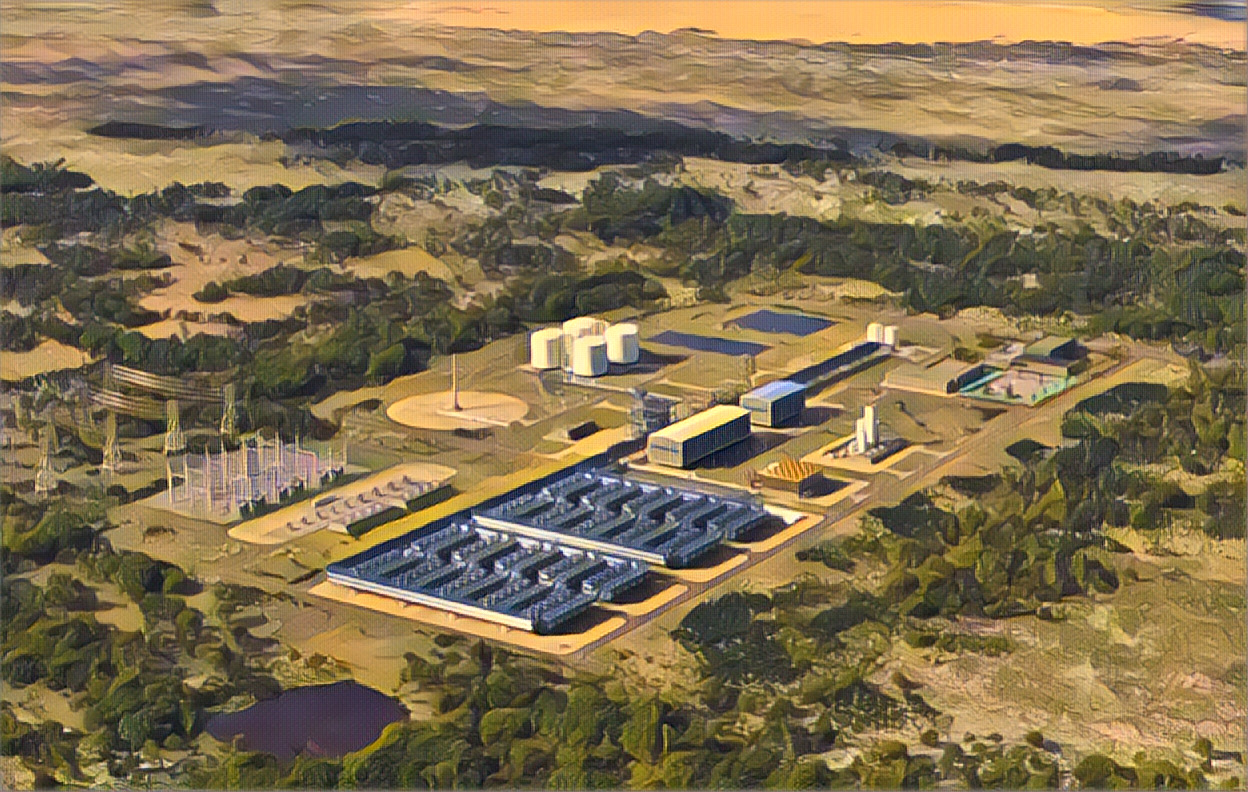
South Africa’s ambitious $5.8 billion green hydrogen and ammonia project in Nelson Mandela Bay is reportedly making significant progress, with developers expressing confidence that the initiative is moving towards the construction phase.
The project, being developed by Hive Hydrogen South Africa, is planned for the Coega Special Economic Zone near the Port of Coega in the Eastern Cape. The company is expected to make major announcements about the development at the Africa Green Hydrogen Summit scheduled to take place in Cape Town next month.
According to the developers, the project has faced considerable challenges since its inception but is now progressing well. Construction could begin as early as 2027, while commissioning is targeted for December 2029.
The project is designed to use renewable electricity to produce green hydrogen, which will then be converted into ammonia. Once fully operational, the facility is expected to have the capacity to produce about one million tonnes of ammonia annually.
Renewable energy at the heart of the project
Hive Hydrogen has been developing the initiative since September 2019, with the objective of establishing a large-scale renewable-energy-powered green hydrogen and ammonia production facility.
The company has been working on approximately 3,300 MW of renewable-energy capacity to provide electricity for the hydrogen production process.
Progress has already been recorded on the renewable-energy side. Environmental impact assessment work has been completed for the planned renewable assets, leading to environmental authorisation for the 1,000 MW Carissa wind energy project near Beaufort West.
The Carissa project is being advanced through a partnership involving Hive Hydrogen, AMDA Developments and Blue Crane Environmental, which managed the environmental assessment process.
The development of dedicated renewable-energy capacity is considered critical because green hydrogen is produced by using renewable electricity to split water into hydrogen and oxygen through electrolysis.
Hive Hydrogen South Africa is backed by Hive Energy and Built Africa, with former Eskom CEO Thulani Gcabashe serving as chairperson.
The project has also attracted support from SA-H2, a blended-finance private equity fund focused on developing the green hydrogen value chain and supporting Southern Africa’s transition towards cleaner energy.
SA-H2 has secured commitments from several public and private institutions, including the European Commission through its Global Gateway initiative, Invest International, South Africa’s Public Investment Corporation on behalf of the Government Employees Pension Fund, Sanlam Life and the Industrial Development Corporation.