
KEY POINTS
- Transnet issued a Request for Qualification to select a private partner to fund, develop, operate and maintain a new manganese export terminal at Ngqura for 25 years, targeting a 20% capacity increase.
- The plan links Northern Cape mines to the Eastern Cape terminal and aims to shift roughly 10 million tons of manganese currently trucked to ports onto rail; Transnet already moves about 16 million tons annually.
- South Africa is the world’s top manganese exporter, shipping about 26 million tons in 2025, with roughly 95% going to Asia and nearly 68% to China.
South Africa’s state-owned logistics operator Transnet has begun the search for a private-sector partner to develop and run a new manganese export terminal, part of a plan to lift the mineral’s export capacity by 20%.
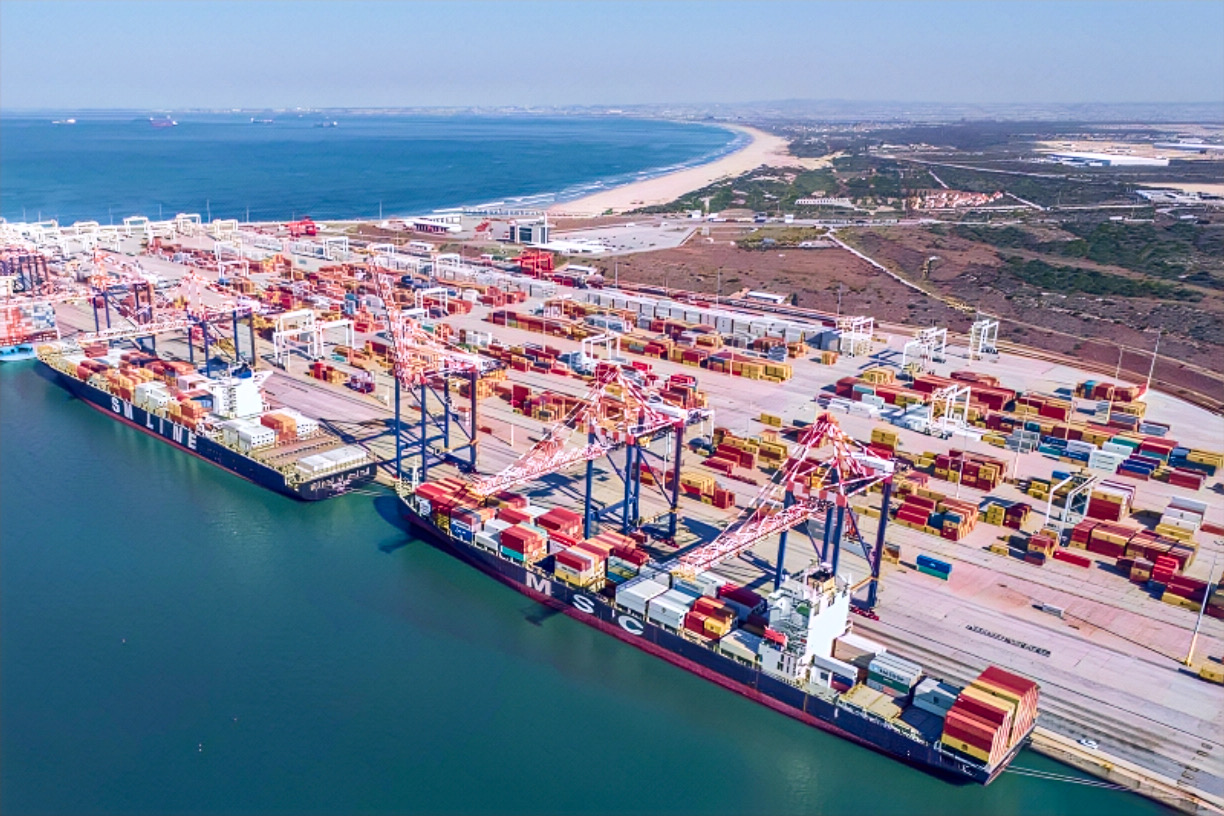
Transnet said on Friday it had issued a Request for Qualification, the opening step in selecting a strategic partner to fund, develop, operate and maintain the terminal under a 25-year arrangement. Specifically, the plan links mines in the Northern Cape to a new facility at Ngqura in the Eastern Cape. Moreover, the operator currently moves about 16 million tons of manganese exports a year by rail.
Easing road congestion
The project targets a costly bottleneck. Notably, roughly 10 million tons of manganese now reach ports by road each year, and the new terminal aims to shift much of that onto rail. According to Transnet, Ngqura sits about 20 km north-east of Port Elizabeth, which handles 65% of the country’s manganese export capacity.
The push reflects deeper structural strains. Furthermore, Transnet is leaning more heavily on private participation after years of underinvestment and thin government funding left its network stretched. Consequently, the partnership model has become central to expanding capacity the state cannot finance alone.
A globally significant trade
South Africa dominates the market. According to the Minerals Council, the country is the world’s top manganese exporter, shipping about 26 million tons in 2025. Additionally, manganese underpins steelmaking and increasingly feeds battery technologies tied to renewable energy, broadening its strategic value.
The trade tilts firmly toward Asia. Specifically, about 95% of South Africa’s manganese exports head there, with China alone taking nearly 68% of shipments, followed by India at 16%, then Singapore, Malaysia and Japan. Ultimately, a bigger, rail-fed terminal at Ngqura would help South Africa defend that dominance while easing pressure on its congested road corridors.