
KEY POINTS
- At least 49 people, including Central Africans, Cameroonians and Chadians, died in the mine collapse.
- Local sources estimate the death toll could reach 100, with more miners still missing.
- Authorities shut the mine as activists called for stronger regulation of dangerous artisanal mining sites.
The Central African Republic (CAR) government has temporarily closed an artisanal gold mine near the border with Cameroon after a deadly landslide killed at least 49 people, with local sources putting the toll at about 100.
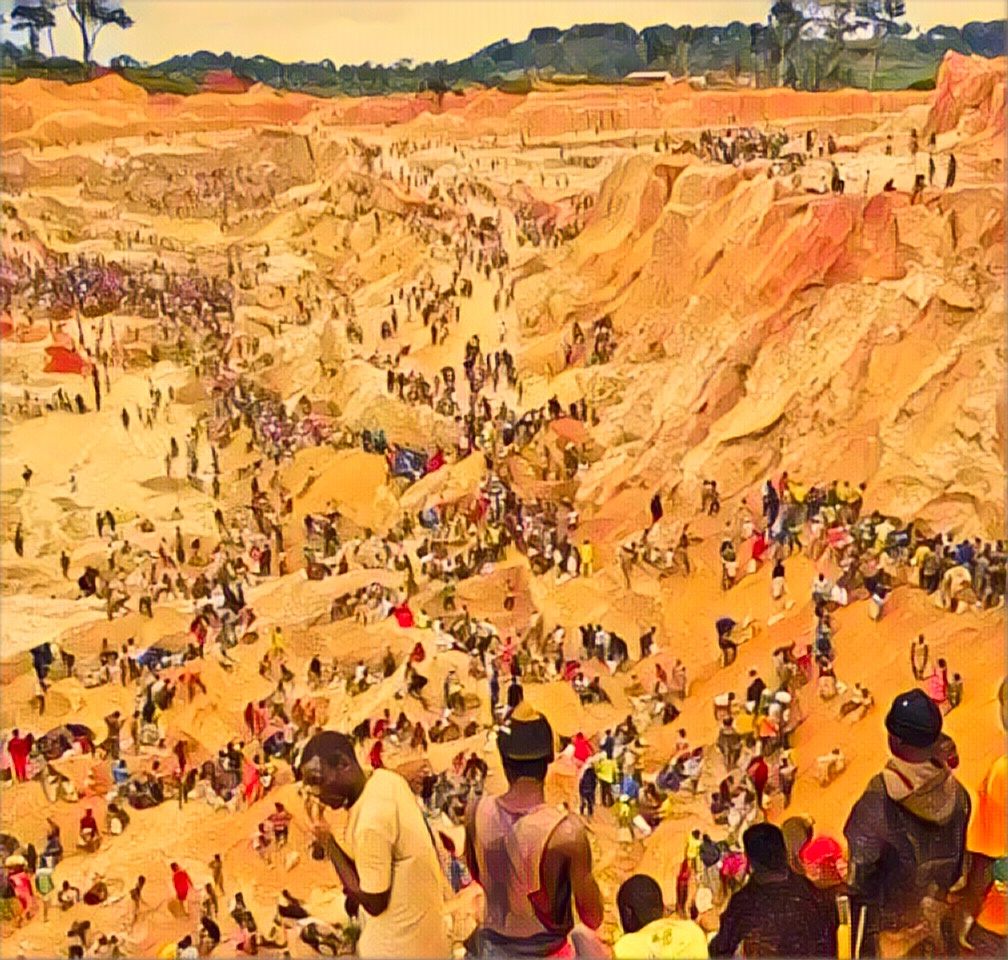
The Zamboye gold mine, located near the town of Baboua, became the scene of a major rescue operation after sections of the sprawling open-pit site collapsed following heavy rains.
The country’s Mines Minister, Rufin Benam-Beltoungou, visited the mining site on Wednesday and confirmed that 49 people had died.
According to the minister, the victims included 34 Central Africans, 13 Cameroonians and two Chadians, highlighting the cross-border nature of artisanal mining in the area.
Seven people who survived the collapse with injuries were taken to a hospital in Baboua, about 50 kilometres from the mine.
However, local sources cited by AFP said the actual death toll could be significantly higher, with estimates of around 100 people killed. Several miners are also believed to remain trapped beneath the rubble.
Authorities have now shut the mine and restricted access to the affected area because of continued instability at the site.
Rescue operations were suspended after further sections of the mine reportedly continued to collapse, while heavy rainfall flooded lower parts of the pit, creating additional risks for rescuers and survivors.
Security personnel have been deployed to the area, including members of the Russian paramilitary group Wagner, which has a presence in the Central African Republic.
The mine, locally known as Moscow-RCA, is situated beside the Kadei River, which forms part of the CAR-Cameroon border.
Disaster exposes dangers of informal mining
The Mines Ministry said the tragedy had once again demonstrated the dangers associated with informal and poorly regulated mining operations, particularly sites where safety standards are weak or largely absent.
Artisanal mining remains widespread in the Central African Republic because of the country’s extensive deposits of gold and other minerals. Many miners operate outside formal regulatory structures, leaving them vulnerable to dangerous working conditions.
Videos from the scene showed sections of the mine wall collapsing and burying artisanal miners who were working inside the pit.
The latest disaster has renewed concerns about the government’s ability to monitor and regulate mining activities in remote parts of the country.
Civil society activist Crescent Beninga said the latest collapse was not an isolated incident.
He pointed to a similar disaster at the Be-Mbari gold mine, also close to the Cameroonian border, where dozens of people were killed in a cave-in in June.
Beninga questioned why authorities had failed to introduce stronger measures to prevent similar accidents despite the repeated loss of lives.
His comments underline concerns that mine collapses have become a recurring consequence of unsafe artisanal mining rather than isolated accidents.
The timing of the disaster has also highlighted the additional risks faced by miners during periods of heavy rainfall.
Water entering unstable sections of open-pit mines can weaken the surrounding earth and trigger landslides or collapses, making rescue operations particularly dangerous.
In the Zamboye incident, the continuing instability of the mine and flooding prevented rescuers from safely reaching all areas where victims may still be trapped.
The Central African Republic possesses significant gold and mineral resources, but widespread poverty and limited state oversight have encouraged the growth of informal mining activities.
For many communities, artisanal mining provides an important source of income and employment. However, the lack of adequate safety equipment, engineering controls and effective government supervision leaves miners exposed to potentially fatal accidents.
The Zamboye collapse therefore represents not only a humanitarian tragedy but also a broader challenge for the country’s mining sector.
Authorities now face pressure to strengthen oversight of informal mines, improve safety standards and prevent further loss of life as the country continues to exploit its mineral wealth.