
KEY POINTS
-
Barrick Mining furloughs non-essential workers at its Kibali gold mine in Congo after two Ebola-related deaths nearby.
-
The company is investigating possible links between the reported cases and its workforce.
-
Congo’s Ebola outbreak has recorded more than 11,000 infections and over 5,000 deaths, according to government data cited by Reuters.
Barrick Mining has placed some employees and subcontractors at its Kibali gold mine in the Democratic Republic of Congo (DRC) on temporary furlough following reports of two Ebola-related deaths in a nearby community.
The decision was taken as a precautionary measure after health authorities confirmed the deaths, raising concerns about the possible spread of the virus to workers at one of Africa’s largest gold mining operations.
According to an internal company memo seen by Reuters on Thursday, November 12, the two deaths were confirmed by the DRC’s National Institute of Biomedical Research.
The memo, signed by Acting General Manager Jean Marc Badibanga, said the company was working to establish whether there were any connections between the reported cases and its workforce.
Barrick said the temporary furlough would affect employees and subcontractors whose presence at the mine was considered non-essential. However, the company did not disclose the number of workers who would be affected.
Barrick sends non-essential workers on furlough
The company said the decision was part of measures to reduce potential exposure to Ebola while it assessed the situation in surrounding communities.
According to the internal memo, workers whose services were not immediately required would be contacted directly and informed about the temporary furlough arrangements.
The company also introduced additional precautions for employees who might be experiencing symptoms associated with illness.
Workers who feel unwell were instructed not to report to work and to contact the company’s medical personnel immediately for assistance.
The memo did not provide further details about the duration of the furlough or whether additional restrictions would be introduced as the health situation develops.
Barrick Mining, which is listed in Toronto, did not immediately respond to Reuters’ request for comment on the development.
Company strengthens Ebola prevention measures
The latest decision follows earlier efforts by Barrick to protect workers at the Kibali mine from possible exposure to the virus.
In May 2026, the company disclosed that it had increased Ebola prevention measures at the mining operation in response to the outbreak in the DRC.
The latest reports of deaths in a nearby community have prompted further precautionary steps as the company seeks to determine whether any members of its workforce have been affected.
Barrick’s internal communication indicated that the company was still investigating possible links between the reported deaths and its employees.
There had been no confirmation in the memo that any Kibali mine worker had contracted Ebola.
Kibali remains one of Africa’s largest gold mines
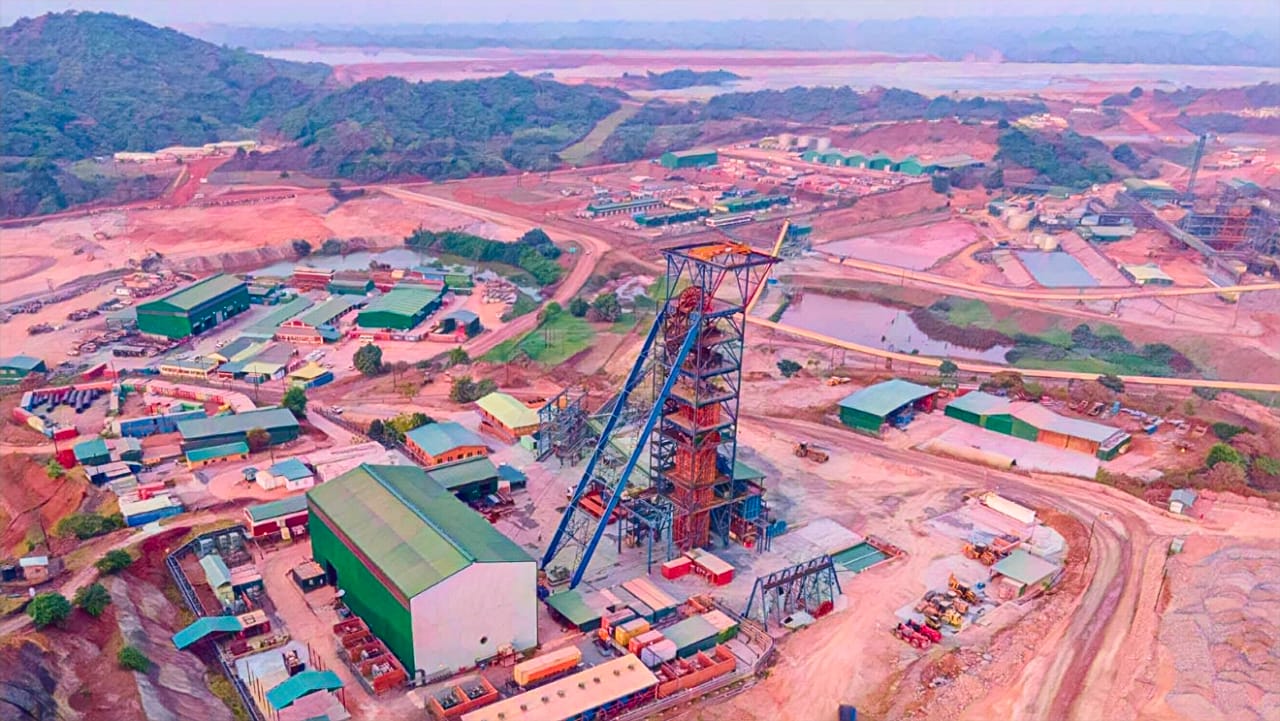
The Kibali gold mine is located in Haut-Uele Province in northeastern Democratic Republic of Congo and ranks among the continent’s largest gold-producing operations.
The mine is jointly owned by Barrick Mining and AngloGold Ashanti, which each hold a 45 per cent stake, while the Congolese state-owned mining company, SOKIMO, owns the remaining 10 per cent.
Its scale and importance to the country’s mining industry make the potential impact of the Ebola outbreak on operations a significant concern.
Although the latest outbreak has affected communities around the country, Reuters reported that there had been no confirmed Ebola cases at industrial mining operations.
However, artisanal mining activities have been affected by the outbreak, underscoring the potential health and operational risks facing the country’s mining sector.
Ebola outbreak raises concerns across Congo
The Ebola outbreak in the Democratic Republic of Congo has become a major public health concern, with government data cited by Reuters showing that infections have exceeded 11,000 and deaths have surpassed 5,000.
The outbreak is described as the second-largest on record, placing additional pressure on health authorities and communities affected by the disease.
The virus can spread through direct contact with the blood and other bodily fluids of infected people or those who have died from the disease.
The reported deaths near the Kibali mine have therefore prompted the company to take preventive action while monitoring the situation and assessing possible exposure among its workforce.
Barrick’s temporary furloughs and workplace health instructions form part of its efforts to limit potential exposure while awaiting further information from health authorities.