
KEY POINTS
- China will reduce tariffs on about C$400 million in Canadian exports.
- Canada will extend tariff-remission measures for some Chinese steel and aluminium products by two years.
- The leaders discussed wider cooperation in energy, agriculture, finance and emerging industries.
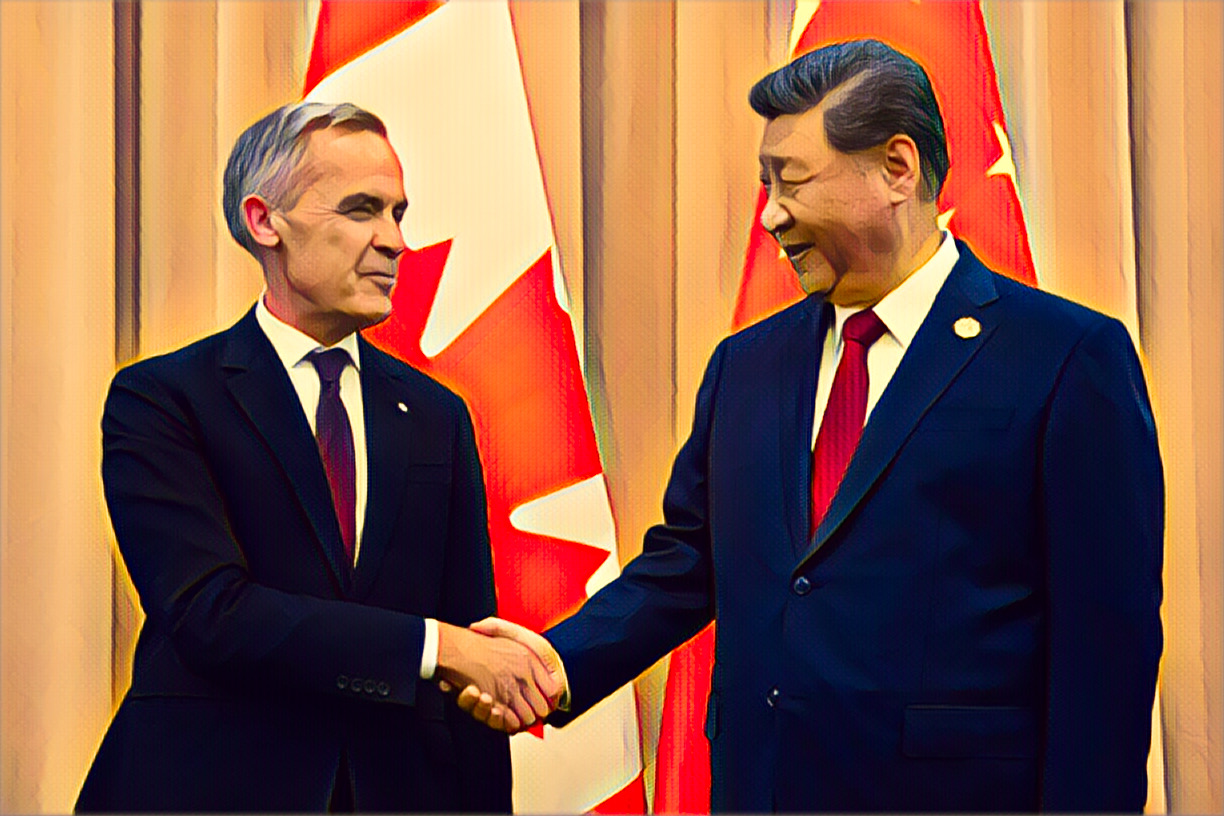
Canada and China have agreed to expand their trade arrangements following a meeting between Canadian Prime Minister Mark Carney and Chinese President Xi Jinping in Shenzhen on Nov. 17. The agreement provides additional tariff relief for selected Canadian exports, including frozen pork, fish and seafood, while Canada will extend existing tariff-remission measures for certain Chinese steel and aluminium products.
The talks took place ahead of the Asia-Pacific Economic Cooperation (APEC) summit, as both governments seek to strengthen economic engagement after a period of strained relations.
Tariff changes widen market access
According to a statement from Carney’s office, China will provide additional tariff relief for about C$400 million, equivalent to approximately US$280 million, in Canadian exports. The products include frozen pork cuts and seafood, creating improved access for Canadian farmers and fishing businesses seeking opportunities in the Chinese market.
In return, Canada agreed to extend by two years the remission measures for selected Chinese steel and aluminium products. Those measures had been due to expire at the end of 2026. The arrangement therefore offers continued tariff relief to businesses trading in both directions.
Carney described relations between the two countries as more predictable and stable. He also said Canada was ahead of schedule in its ambition to increase exports to China by 50% by the end of the decade. Meanwhile, his government continues to pursue markets beyond the United States, which remains Canada’s largest trading partner and has imposed tariffs on several Canadian products.
Leaders seek broader economic cooperation
Beyond the tariff arrangements, Xi proposed deeper cooperation in trade, energy, agriculture and finance. He also identified opportunities in green industries, digital services and e-commerce. In addition, the leaders discussed cultural exchanges and support for the multilateral trading system.
The meeting marked their third encounter since Carney became prime minister. Both leaders had previously met during the APEC summit in South Korea last year. Their governments also welcomed progress on a bilateral currency-swap arrangement and access for qualified Canadian institutions to China’s yuan-denominated bond market.
However, closer economic engagement does not remove all political and security concerns. Canadian security analysts and human rights groups have raised questions about China’s alleged interference in Canadian elections and other human rights issues. China has rejected claims that it interferes in Canada’s internal affairs.
Still, the expanded trade arrangement signals a willingness to pursue economic cooperation despite those disagreements. For Canada, improved access to China could support its efforts to diversify export markets. For China, stronger trade ties offer opportunities to deepen economic links with a major North American partner. The next test will be how quickly businesses convert the new tariff arrangements into actual trade.