
KEY POINTS
- Africa must process more minerals locally.
- Critical minerals can drive jobs and industry.
- Regional trade is vital for value addition.
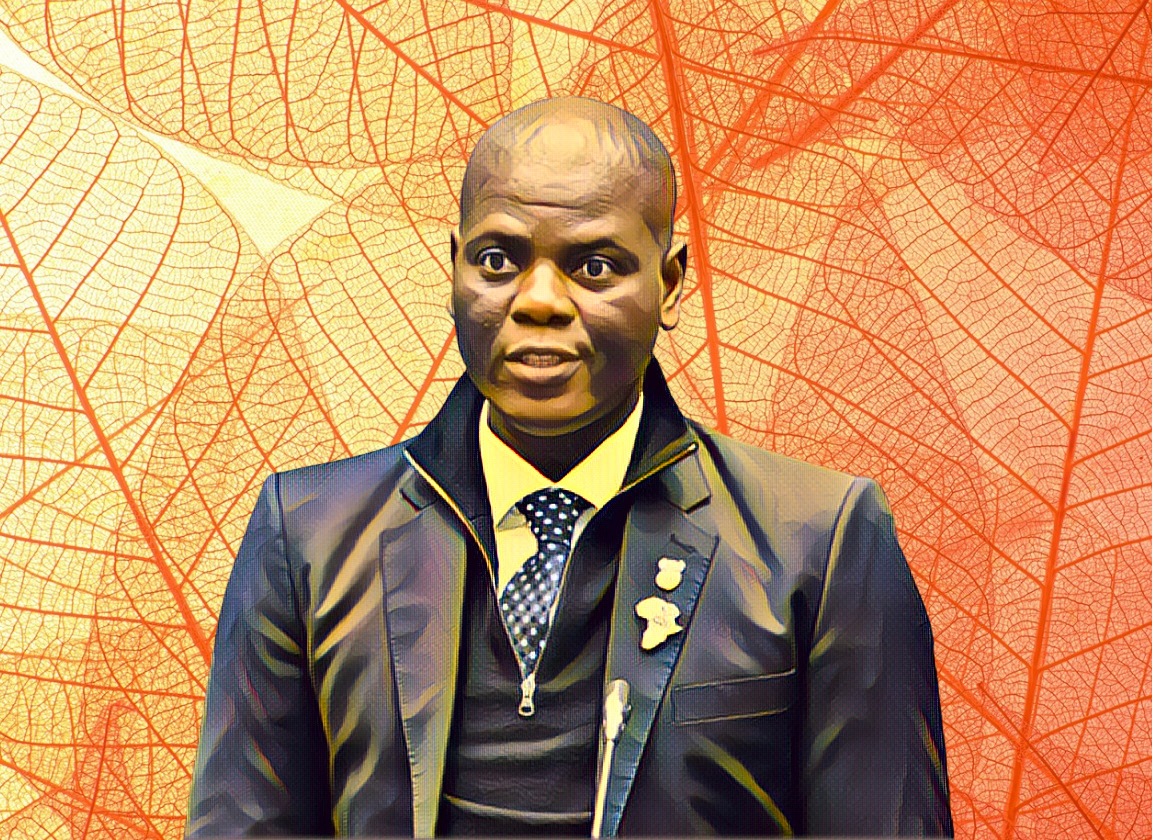
Africa must move beyond exporting raw minerals and use its vast natural resources to build industries, create jobs and drive long-term economic growth, South Africa’s International Relations and Cooperation Minister, Ronald Lamola, has said.
Speaking at an Ambassadorial Breakfast on Africa’s Growth Through Critical Minerals in Johannesburg, Lamola said the continent was strategically positioned to benefit from rising global demand for minerals needed for the energy transition. He noted that African countries possess many of the resources required for solar panels, wind turbines, electric vehicles, batteries and other clean-energy technologies.
According to him, Africa’s mineral wealth gives the continent an important advantage as countries around the world seek secure supplies of critical minerals. However, he stressed that simply increasing mineral production would not be enough to deliver broad-based development.
Lamola said African countries must capture more of the economic value generated from their mineral resources by developing processing, refining and manufacturing industries within the continent.
He warned that too many African minerals are still exported with little or no processing, while the technology, jobs and wealth generated from those resources are created elsewhere. He cited cobalt as an example, noting that although Africa accounts for the overwhelming majority of global cobalt production, much of the processing takes place outside the continent.
He said the priority should therefore be to transform mineral resources from export commodities into the foundation for industrial development, technology and manufacturing.
Critical minerals can create millions of jobs
The minister said the opportunity is particularly important because of Africa’s rapidly growing and youthful population. With about 60% of the continent’s population under 25, African economies face enormous pressure to create employment opportunities for young people.
Lamola noted that African countries currently create roughly three million jobs annually, while between 10 million and 12 million young people enter the labour market each year. Although mining alone cannot absorb the growing workforce, he said the sector could support a much larger employment ecosystem.
Such an ecosystem could include mining equipment manufacturing, engineering, logistics, mineral processing, research and development, technology and downstream manufacturing. This would allow economic activity to extend beyond individual mines and create opportunities for local businesses and skilled workers.
The continent has some of the world’s most important deposits of critical minerals. South Africa and Zimbabwe together hold more than 90% of global platinum group metals resources, while the Democratic Republic of Congo is the dominant global producer of cobalt.
Guinea possesses some of the world’s largest bauxite reserves, Gabon is a major manganese producer, while Mozambique and Madagascar are significant sources of graphite. These resources have become increasingly important as countries compete to secure supplies for the global energy transition.
Lamola said the challenge is to ensure that the growing demand for these resources does not simply lead to more extraction without corresponding industrial development in Africa.
Lamola also called for greater cooperation among African countries, arguing that mineral resources, industrial capacity, infrastructure and markets are spread across the continent.
He said regional value chains would enable African countries to complement one another rather than compete individually for investment. The African Continental Free Trade Area provides an important platform for achieving this by facilitating trade and supporting the development of regional and continental industries.
He added that Africa would need better movement of goods, services, capital, skills and technology across borders, alongside stronger cooperation in infrastructure, energy, transportation and finance.
The minister stressed that building competitive mineral-based industries would require substantial investment in infrastructure and productive capacity.
Reliable electricity, efficient railways and ports, good roads and strong digital connectivity would be necessary to support processing and manufacturing. He also identified regulatory certainty and effective institutions as essential to attracting long-term investment.
Lamola said investors should not focus solely on extracting minerals but should also support industries capable of processing resources and producing higher-value goods within Africa.