
KEY POINTS
-
At least 72 people are feared dead in an airstrike on a gold-mining site.
-
Egypt says it is targeting illegal mining, while Sudan has ordered an investigation.
-
War and failed farming have pushed more Sudanese into informal gold mining.
At least 72 people are believed to have been killed in an airstrike on an informal gold mining site near the border between Sudan and Egypt, according to reports from survivors and local sources.
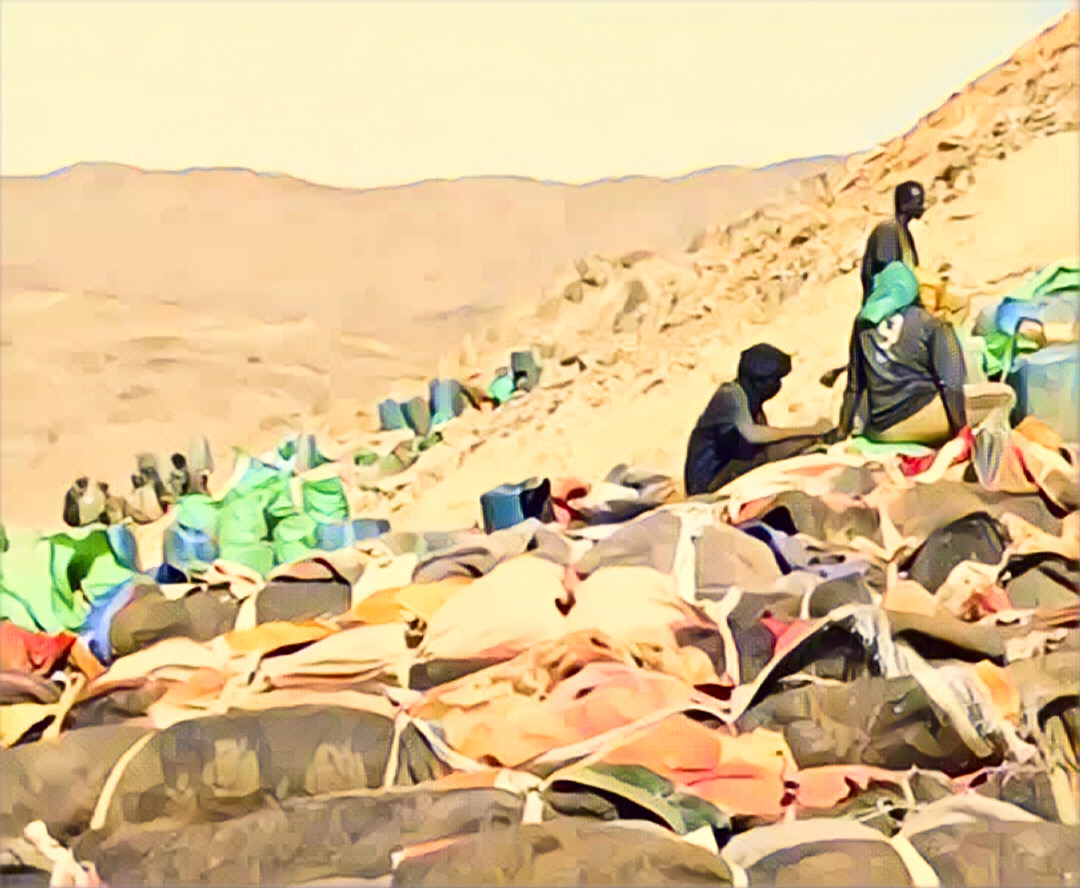
The attack took place last week at Jabal al-Uqaydat, a vast gold-mining area in the mountains along the disputed border region. Survivors said an aircraft circled the site before launching strikes that hit miners at work.
Human rights groups have blamed the Egyptian air force for the attack, although Egypt’s military has not directly acknowledged carrying out the attack. The incident has prompted calls for an investigation and raised concerns about the safety of civilians working in the area.
Survivors describe how the attack unfolded
Ali Mohamed Hamza, a miner who was injured in the strike, said workers were preparing tea at around 8 a.m. when an aircraft appeared overhead.
He said the aircraft circled the site several times, seemingly observing the miners, before launching an attack on its fourth pass.
Another survivor, Omar Mohie El Deen Abdullah, said the first strike exploded among the workers, who numbered nearly 300 or more at the time.
Abdullah sustained an injury to one of his fingers but lost his brother and two other relatives in the attack.
The accounts illustrate the scale of the reported casualties and the impact on families who depend on informal mining for their livelihoods. However, the full circumstances of the strike and the identities of those responsible remain subjects of investigation and dispute.
Failed farming season drives more people into mining
Jabal al-Uqaydat has attracted increasing numbers of informal miners as Sudan’s ongoing war has destroyed livelihoods and pushed people to seek alternative sources of income.
Gold mining has become an important economic lifeline in Sudan, where conflict has disrupted agriculture, trade and other productive activities. Gold also provides significant revenue to parties involved in the war.
Omar Abdullah, the father of another victim, Osman Omar, said many people in the area had turned to mining after the farming season largely failed.
He explained that agriculture had traditionally supported many households, but poor farming conditions had forced residents to seek income from gold extraction.
The worsening cost of living has added to their difficulties. Abdullah said a sack of flour had reached 700,000 Sudanese pounds, placing further pressure on families already struggling to afford basic food.
The mining area is also considered an important route for smuggling, adding another layer of complexity to efforts to regulate activities along the border.
Egypt says it is targeting illegal mining
Egypt’s military said on Monday that its armed forces and police were conducting an operation against illegal gold mining near the Sudanese border.
The military said the campaign was intended to protect state resources and enforce Egypt’s sovereignty within its internationally recognised borders.
It added that warning leaflets had been dropped before the operation and described the targets as criminal elements involved in illegal mining.
Although the statement did not directly address allegations that Egyptian forces carried out the deadly strike, the military urged the public not to be influenced by what it called misleading rumours and foreign agendas that could damage relations between Egypt and Sudan.
The competing accounts have left questions about the circumstances of the attack, including the precise location of the strike and the extent to which those targeted were operating within Egyptian or Sudanese territory.
Sudan orders investigation into deadly incident
Sudan’s de facto leader, Abdel Fattah al-Burhan, has ordered an investigation into what he described as a painful incident in the border area between the two countries.
According to the Transitional Sovereignty Council, which he heads as army chief, Burhan established a fact-finding committee made up of prosecutors, judicial officials and security representatives.
The committee is expected to investigate the circumstances of the incident and submit a report on its findings.
Burhan’s foreign affairs adviser, Amjad Farid, condemned the reported attack, describing it as unjustified and unacceptable.
In a post on X, Farid said governments had several ways to enforce the law and address border violations, arguing that airstrikes against civilians should not be among them.
The investigation could help establish the circumstances of the attack, clarify responsibility and determine whether the operation violated protections afforded to civilians.
Egypt and Sudan stress respect for their borders
Egyptian Foreign Minister Badr Abdelatty spoke by telephone with his Sudanese counterpart following the incident.
During the conversation, Abdelatty emphasised the mutual respect between the two countries, including respect for each other’s territorial integrity and border security.
The diplomatic contact comes amid concerns that deadly incidents in the disputed border region could strain relations between the neighbouring countries.
The area is particularly sensitive because it contains valuable mineral resources, informal mining operations and routes used for smuggling.
Second reported strike on the mining site this year
The latest incident is the second reported airstrike on Jabal al-Uqaydat in 2026. In June, airstrikes reportedly attributed to Egypt killed 23 workers at the same informal mining site. Egypt’s military did not claim responsibility for that incident but said it had carried out a large-scale operation against illegal gold mining within its borders.
The repeated reports of deadly strikes have raised concerns about the risks faced by informal miners, many of whom have turned to gold extraction because conflict and economic hardship have left them with few alternatives.
As Sudan’s war continues to disrupt livelihoods, mining is likely to remain an important source of income for people in affected areas. The latest deaths have renewed questions about how authorities can enforce mining and border regulations without putting civilian lives at risk.