
KEY POINTS
- The EU has selected 46 critical mineral projects across 16 member states.
- The projects are expected to require €21.1 billion in investment.
- The bloc aims to reduce dependence on China and expand domestic mineral production by 2030.
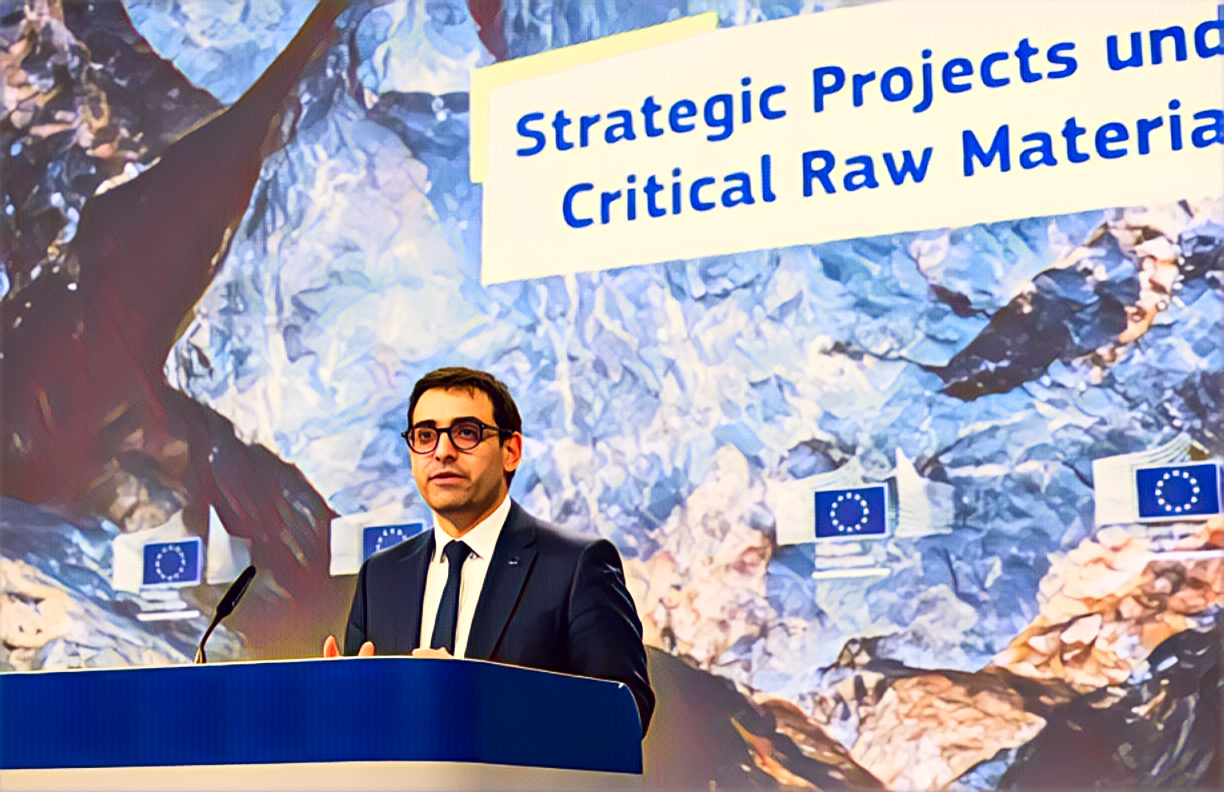
The European Commission has selected 46 strategic critical mineral projects across the European Union to strengthen supply chains, accelerate investment and reduce dependence on China for materials essential to manufacturing, defence and clean energy.
Announced on Friday, October 9, 2026, the projects will benefit from faster permitting procedures and assistance in accessing public and private financing.
The initiative forms part of the EU’s broader effort to secure reliable supplies of critical raw materials amid growing concerns about dependence on China. These materials are essential for producing electric vehicle batteries, renewable energy technologies, defence equipment, aerospace components and other industrial products.
China’s increasing use of its dominant position in critical mineral supply chains as a trade lever over the past two years has added urgency to Europe’s diversification efforts. The bloc is also exploring the possibility of establishing a joint stockpile of key raw materials to protect industries against supply disruptions.
The 46 newly selected projects are expected to require approximately €21.1 billion ($23.7 billion) in capital investment, according to the European Commission. The funding is expected to come from a combination of public and private sources.
However, selection as a strategic project does not guarantee direct EU financial support. Instead, the Commission will help developers access available funding programmes and connect them with potential lenders and investors.
The initiative is intended to make strategically important projects more attractive to investors while reducing administrative delays that could prevent them from moving forward.
The projects are spread across 16 EU member states and cover 15 of the bloc’s 17 designated strategic raw materials.
The targeted materials include lithium, copper, nickel, cobalt, manganese, graphite, rare earth elements, magnesium and tungsten. These resources are important for battery production, electronics, industrial manufacturing and the energy transition.
Notable projects include the Zinnwald Lithium project in Germany, the Skouries mine in Greece, Arctial’s planned aluminium smelter in Finland and the Viscaria copper project in Sweden.
Other initiatives involve major European industrial groups, including Umicore, Aurubis and Leonardo, reflecting the importance of critical mineral security to the region’s manufacturing and defence industries.