
KEY POINTS
- US approves up to $414m for Niger’s Dasa uranium project.
- Deal could reopen economic ties between Washington and Niamey.
- Security and transport risks remain major challenges.
The United States has approved up to $414 million in financing for a major uranium project in Niger, marking a potential shift in Washington’s economic engagement with the West African country two years after Niger ordered US forces to leave.
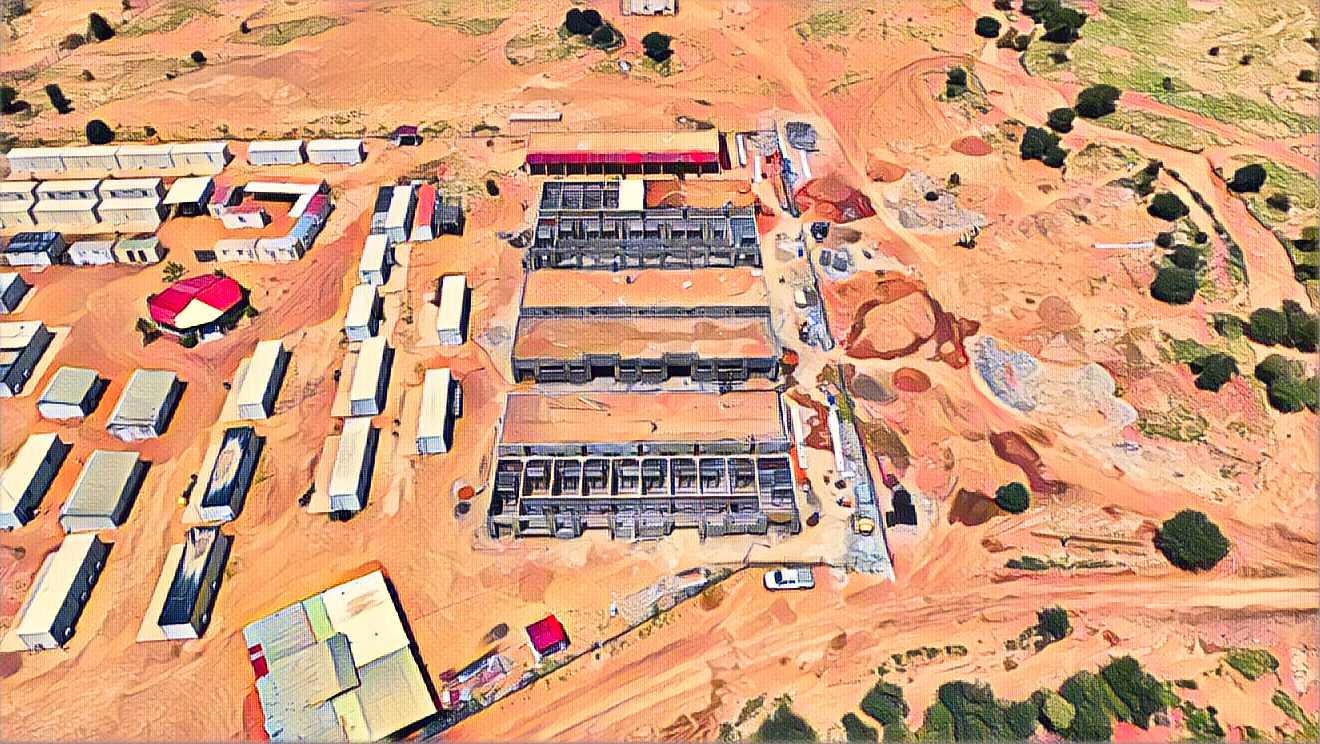
The US Development Finance Corporation has approved a debt facility of up to $414 million for Canadian mining company Global Atomic’s Dasa uranium project in Niger.
Global Atomic describes Dasa as one of Africa’s highest-grade uranium deposits. The financing could help the company move forward with development of the project while giving the United States greater access to uranium, a mineral considered strategically important for energy and national security.
The decision comes at a sensitive time for Niger’s mining industry. The country is the world’s seventh-largest uranium producer and has historically supplied a significant share of the global market.
Uranium was added to the US critical minerals list last year, increasing Washington’s interest in securing reliable supplies outside countries considered strategic competitors.
Deal could reopen US-Niger ties
The financing also carries diplomatic significance. Relations between Washington and Niamey deteriorated sharply after Niger’s military government took power following the 2023 coup and subsequently ordered US troops to leave in 2024. Niger’s new authorities have instead strengthened security ties with Russia.
People familiar with the financing described the Dasa investment as a potential commercial and diplomatic opening for the United States.
Sources said the US ambassador in Niger had pushed Washington to rebuild relations with Niamey and support the uranium project after the Trump administration returned to office with a stronger focus on commercial deal-making in Africa.
The project offers Washington a way to deepen economic engagement with Niger without relying on the military partnership that previously defined much of the relationship.
The financing followed efforts by Global Atomic to resolve outstanding issues surrounding the project.
One source familiar with discussions between the company and the DFC said Global Atomic Chief Executive Stephen Roman travelled to Washington during the summer to address the remaining issues delaying approval.
The eventual financing could provide Global Atomic with an important boost as it works toward developing the Dasa deposit.
The agreement could also have implications beyond Niger. Because Global Atomic is Canadian, the deal may provide a rare area of cooperation between the United States and Canada at a time when relations between the two countries have been strained by trade disputes.
Despite the financing, Dasa faces considerable security and logistical challenges.
Niger has continued to experience attacks by jihadist groups, with government institutions and security forces among the targets. Last month, mutinous soldiers reportedly attacked a major military airbase and the presidency, adding to concerns about political stability.
The security situation is particularly important for a mining project because Dasa is located in the landlocked country and uranium produced there must be transported through potentially vulnerable corridors before reaching international markets.