
Key points
- Valterra Platinum’s Mogalakwena mine has an inclusive 4E resource of 285 million ounces, giving it a potential mine life of more than 300 years at target output.
- The Platreef orebody is rich in gold, copper and nickel but carries clay and needs different recovery methods; the Sandsloot underground project will extend mining beneath the pit.
- Amandelbult, with a two-to-one platinum-palladium ratio and strong rhodium, still generates more revenue than Mogalakwena.
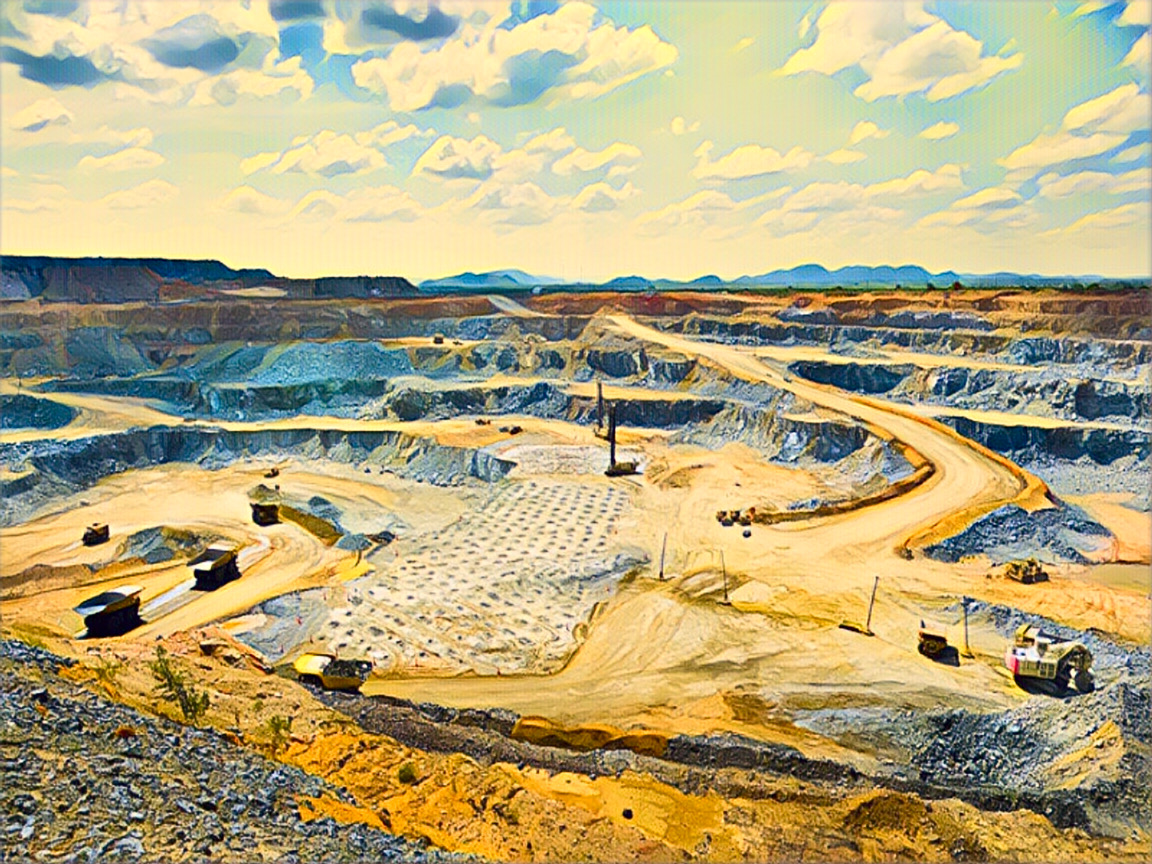
Mogalakwena, the platinum group metals mine that South African miner Valterra Platinum runs in Limpopo province, holds enough ore to keep digging for more than 300 years, mining operations chief Willie Theron told reporters at the company’s value chain media briefing this week, calling it “definitely” the industry’s most exciting endowment.
Theron said the open pit, the world’s largest for PGMs, sits on an inclusive resource of 285 million ounces on a four-element basis.
Set against Valterra’s stated target of 900,000 to 1 million ounces a year on a six-element basis, that endowment stretches well beyond three centuries. “That’s how massive that resource is,” he said.
Theron did not stop at the headline figure, either. Add Amandelbult, Mototolo, Twickenham and Unki, and the Johannesburg-listed company has a resource base that could keep it busy “for millennia, never mind decades,” he said.
What makes the Platreef different
Mogalakwena mines the Platreef, an orebody other producers are now chasing on the northern limb of the Bushveld Complex. Theron said the advantage lies not only in extracting it.
Valterra concentrates, smelts and refines the Platreef itself, and that work should grow once the Sandsloot Underground Project, which the company is developing beneath the former Sandsloot pit, comes online.
The orebody has its quirks. Platinum and palladium occur in a one-to-one ratio, there is no chrome and very little rhodium, but copper and nickel add value and gold is significant.
Almost 70% of the gold Valterra produces, close to 100,000 ounces, comes from Mogalakwena alone, Theron said.
The reef dips at 45 degrees before flattening out, and it carries a lot of clay. That matters, he noted, because standard PGM recovery methods do not work on it.
Anyone else looking at the Platreef, he said, will have to solve for the base metals and the clay before counting the ounces.
Amandelbult still earns more
Growth may be planned at Mogalakwena, yet it is Amandelbult, also in Limpopo on the northern part of the Bushveld’s western limb, that brings in more revenue today.
Amandelbult is a conventional mine working a 1.5-meter thick UG2 reef, and its ore runs two parts platinum to one part palladium, with strong rhodium credits. That mix makes it the highest-value basket in Valterra’s portfolio and, at current metal prices, the bigger earner.
Mogalakwena’s even platinum-palladium split puts it at the lower end on a revenue basis, Theron acknowledged. Volume, and the sheer size of what is still in the ground, is where its case rests.