
KEY POINTS
- Voltalia has commissioned a 148 MW solar plant in Limpopo for Rio Tinto subsidiary Richards Bay Minerals.
- The facility will generate about 300 GWh of renewable electricity annually and cut RBM’s emissions by roughly 237,000 tonnes a year.
- The project created about 800 construction jobs and supports South Africa’s push to expand large-scale solar power.
Renewable energy company Voltalia has commissioned a 148 MW solar power plant in Limpopo, South Africa, to supply electricity to Richards Bay Minerals (RBM), a subsidiary of global mining company Rio Tinto.
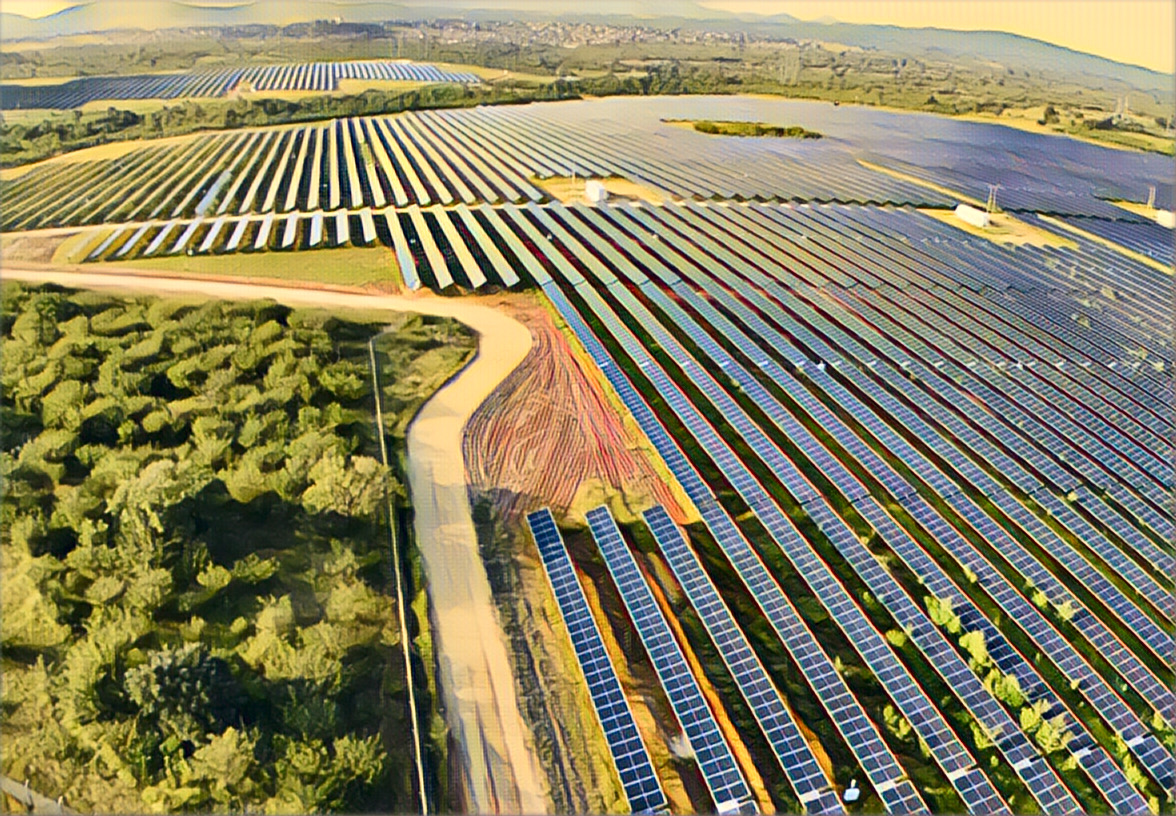
The Bolobedu solar power plant is expected to generate about 300 GWh of renewable electricity annually for RBM’s production facilities in KwaZulu-Natal. The project is one of the larger renewable energy developments in South Africa dedicated to meeting the electricity needs of a single corporate customer.
The solar facility is expected to make a significant contribution to RBM’s decarbonisation efforts. According to Voltalia, the project will reduce the mining company’s annual greenhouse-gas emissions by at least 10%, equivalent to approximately 237,000 tonnes of emissions each year.
The reduction is comparable to taking about 50,000 cars off South Africa’s roads, while the use of solar power is expected to strengthen the sustainability and climate resilience of RBM’s operations.
Rather than supplying the mine directly from Limpopo, electricity generated at Bolobedu will be transmitted over hundreds of kilometres through South Africa’s national electricity network under a power-wheeling agreement with State-owned Eskom.
The arrangement will allow RBM’s KwaZulu-Natal operations to receive the renewable electricity generated by the solar plant while feeding about 300 GWh of power into the national grid each year. Voltalia says this approach also helps reduce pressure on Eskom’s infrastructure.
Focus on biodiversity and local communities
Voltalia said the development incorporated biodiversity-conscious land-use planning, with the aim of allowing the solar project to operate alongside the surrounding environment.
The project also generated significant economic opportunities during construction. About 800 jobs were created, with local recruitment prioritised. More than half of the workers employed during construction were young people.
Workers received practical training in areas including electrical installation, civil works, solar panel installation, safety systems and health, safety and environmental practices.
Beyond direct employment, the solar project supported local businesses through its procurement and construction activities. Transport operators, construction companies, security firms and hospitality providers were among those that benefited.
Voltalia said the project has helped strengthen the local technical skills base while creating opportunities for small businesses to participate in the renewable-energy value chain. Permanent positions in plant management, maintenance and security are also expected to remain during the operational phase.
The Bolobedu project comes as South Africa seeks to significantly expand its solar-generation capacity. Utility-scale developments such as the plant are expected to play an important role in the country’s target of adding 28.7 GW of new solar photovoltaic capacity by 2039, including 10.3 GW between 2026 and 2030.
Voltalia said the project is also consistent with its wider strategy of supporting decarbonisation in the mining sector. Its agreement with Rio Tinto aligns with a strategic partnership with the International Finance Corporation established in 2025 to accelerate sustainable energy projects across Africa’s mining industry.