
- Nersa approved a two-year special electricity pricing agreement between Eskom and MMC, running from August 1, 2026, to July 31, 2028.
- MMC’s special tariff has not been disclosed because Nersa says revealing it could expose the manganese producer’s breakeven position to international competitors.
- The deal is designed to protect MMC’s energy-intensive production and Eskom’s baseload demand, while MMC prepares to source 70% of its electricity from renewable energy.
The National Energy Regulator of South Africa, Nersa, has approved a two-year Negotiated Pricing Agreement (NPA) between Eskom and Mpumalanga-based Manganese Metal Company, MMC, giving the producer access to a special electricity tariff aimed at supporting its continued operations.
The approval was granted by Nersa’s Energy Regulator, the organisation’s highest decision-making body, on July 30, 2026, following a public consultation process.
According to Nersa, the agreement complies with the Department of Electricity and Energy’s amended short-term framework governing negotiated electricity pricing agreements.
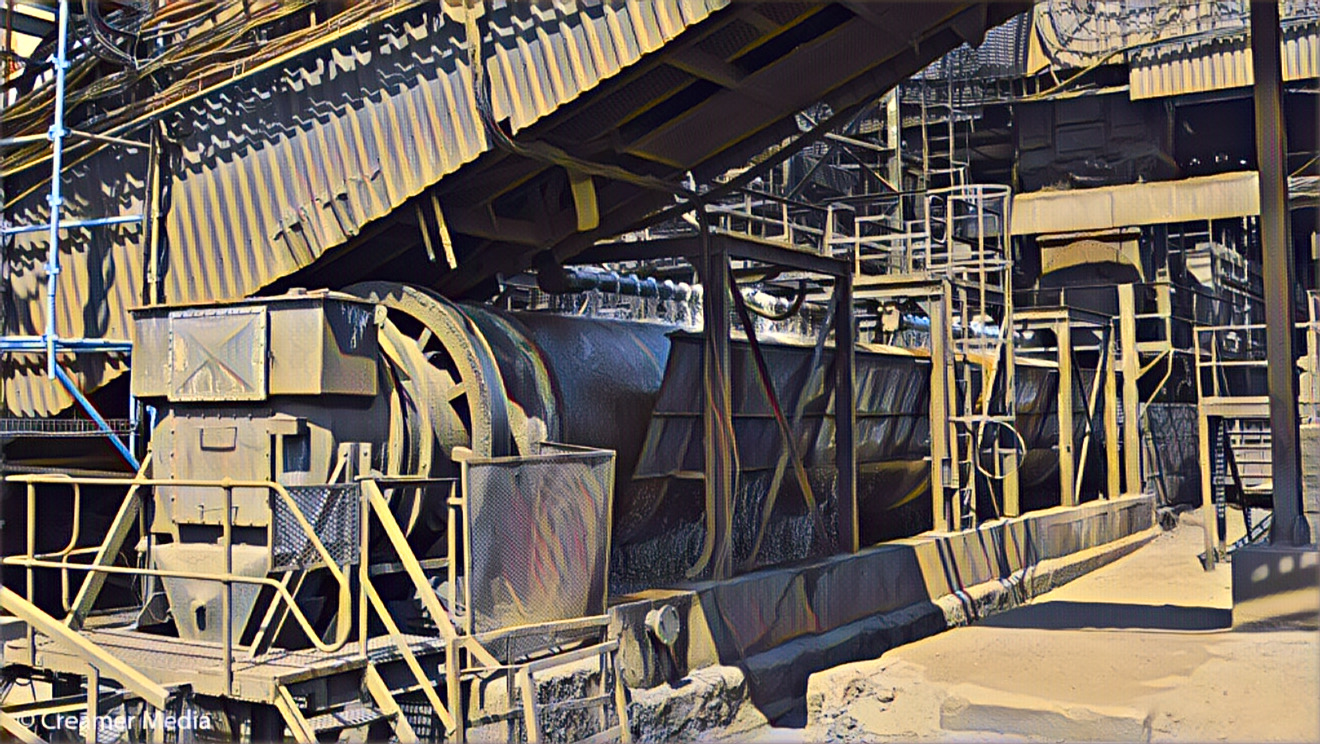
The deal is particularly significant for MMC because electricity represents about 41% of the company’s total production costs. The company manufactures high-quality, selenium-free electrolytic manganese metal at its facility in Mbombela.
The approved NPA will run from August 1, 2026, until July 31, 2028. Nersa said the two-year period was intended to provide MMC with a degree of electricity-price certainty while it prepares for the implementation of a renewable-energy power purchase agreement.
Under that separate arrangement, MMC plans to source renewable electricity equivalent to about 70% of its consumption.
The NPA therefore serves as a transitional pricing mechanism designed to support the company until its renewable-energy supply arrangement becomes operational.
As part of the agreement, Nersa approved a special base tariff for MMC. The tariff will increase annually on April 1, based on the producer price index (PPI) plus an additional 1%.
However, Nersa has not publicly disclosed the actual level of the special base tariff agreed with MMC. This differs from an earlier negotiated pricing arrangement involving Eskom and ferrochrome producers Samancor Chrome and Glencore-Merafe, for which Nersa disclosed a tariff of 62 cents per kilowatt-hour.
Why MMC’s tariff has not been disclosed
Nersa’s decision not to reveal MMC’s special tariff is linked to concerns about the company’s position in international markets.
An earlier consultation document published by the regulator warned that revealing the tariff could allow international competitors to determine MMC’s approximate breakeven electricity price. For a company competing in the global manganese market, such information could potentially provide competitors with insights into its production economics and commercial position.
The regulator therefore approved the special pricing arrangement while keeping the specific tariff confidential. The agreement is not solely aimed at supporting MMC. Eskom has also argued that retaining MMC as a large electricity customer is important for protecting its baseload demand.
According to Eskom, rising electricity tariffs had made MMC’s electricity consumption increasingly vulnerable, creating a risk that the company could reduce or potentially discontinue its demand.
Eskom argued that losing such a large industrial customer could have consequences beyond the utility itself, potentially affecting other electricity customers and the broader economy.
The utility also maintained that customers paying standard tariffs would not be required to subsidise the revenue shortfall resulting from the negotiated agreement.
MMC is expected to consume approximately 360 gigawatt-hours (GWh) of electricity a year when operating at a load factor of more than 90%.
Given the scale of its electricity consumption, the company represents an important industrial customer for Eskom.
To provide additional protection for Eskom, Nersa has required MMC to make a minimum consumption payment equivalent to 80% of its normal electricity consumption.
This means that even if MMC’s actual electricity use falls below its expected level, the company will still be required to pay for a substantial portion of its contracted demand.
The arrangement is intended to provide Eskom with greater certainty over revenue and electricity demand during the two-year period.