
KEY POINTS
-
Rio Tinto has begun gradually restarting underground mining at Oyu Tolgoi after safety reviews.
-
A seismic event on October 29 caused a localised rockfall and injured three employees, with no fatalities reported.
-
Delays at the China-Mongolia border crossing have reduced truck availability for transporting copper concentrate.
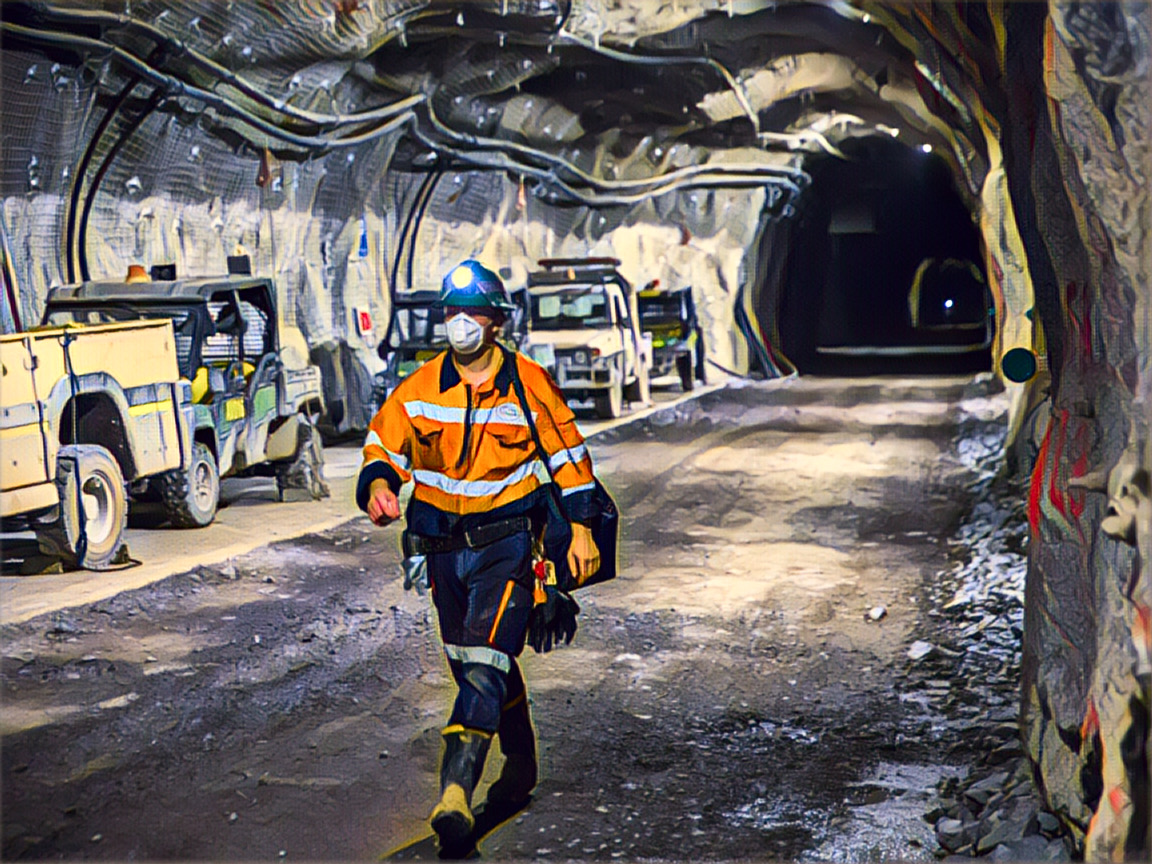
Rio Tinto has begun gradually restarting underground operations at its Oyu Tolgoi copper mine in Mongolia after a seismic event triggered a localised rockfall and temporarily halted mining activities.
The company said on October 30 that it had completed safety reviews following the incident on October 29, allowing operations to resume progressively.
Three employees were injured, but no fatalities were reported.
Seismic event triggers rockfall
According to Rio Tinto, the seismic event caused a localised rockfall in a temporary storage area next to the mine’s production zone.
The incident generated ground vibrations but did not cause structural damage to the underground cave or operating infrastructure, the company said.
Mining activities were temporarily suspended while safety assessments were carried out. Rio Tinto subsequently began a phased restart after completing its reviews.
Two of the three injured employees remained under treatment for injuries described as non-life-threatening.
Oyu Tolgoi remains central to copper growth
Oyu Tolgoi is one of the world’s largest known copper and gold deposits and is a key part of Rio Tinto’s strategy to expand its copper business.
Rio Tinto owns a 66% stake in the project, while the Mongolian government holds the remaining 34%.
The restart is important for maintaining operations at the mine, which is a significant asset in the company’s copper portfolio.
Border delays affect copper concentrate transport
Rio Tinto also reported delays affecting vehicles passing through the Ganqimaodu border crossing between China and Mongolia.
The disruption has reduced the availability of trucks used to transport copper concentrate from Oyu Tolgoi, creating an additional logistical challenge for the operation.
The company did not provide details on how long the border delays might continue or quantify their impact on shipments.