
Key points
- Subsidiary Lesego Platinum Uitloop completed the tender and picked Zaaiman Exploration Drilling, which has drilled at Zeb before and knows the ground conditions and site access.
- The Zone 2 program is designed to support a maiden mineral resource estimate for nickel, copper and platinum mineralization.
- Zaaiman has recorded no fatal incidents since its founding in 1992, including during its earlier work at Zeb.
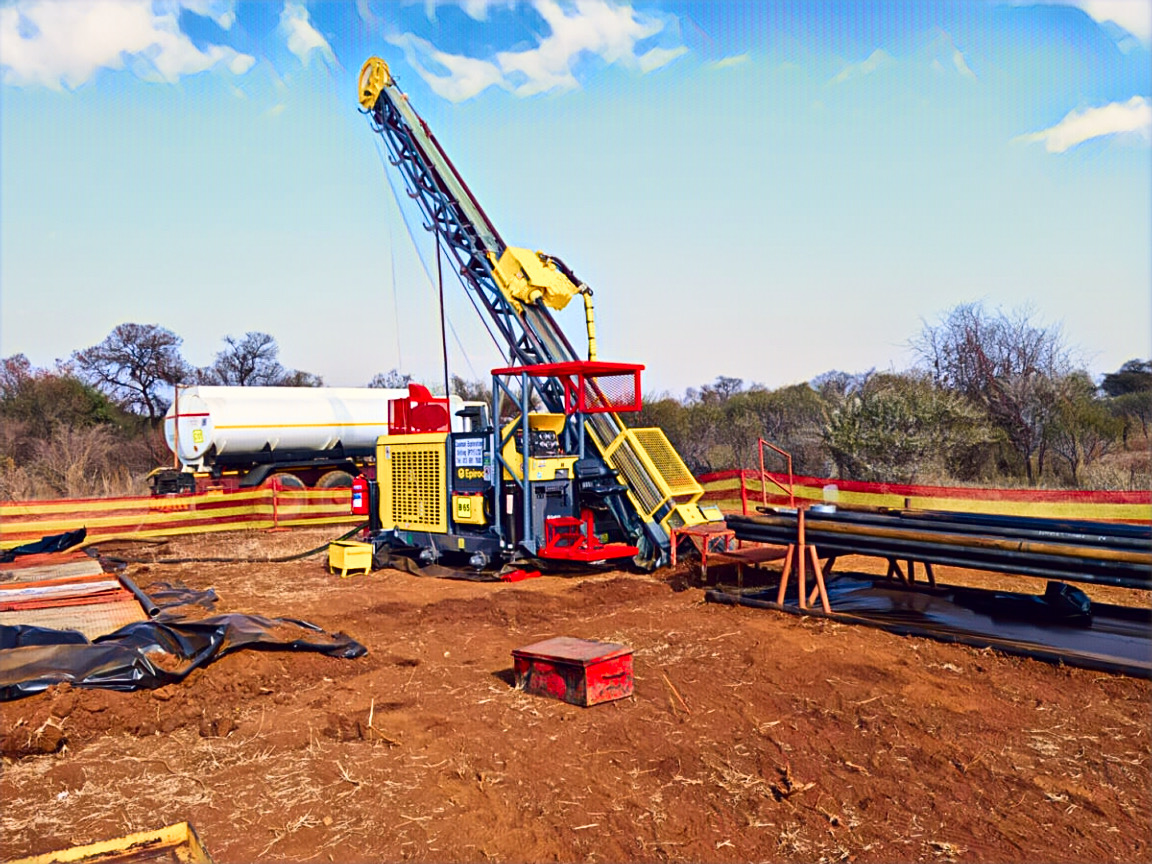
URU Metals has chosen Zaaiman Exploration Drilling as the preferred contractor for the Zone 2 resource drilling program at its Zeb nickel project in Limpopo, South Africa, moving the project a step closer to its first mineral resource estimate.
The AIM-listed company said its subsidiary, Lesego Platinum Uitloop, had completed the tender process.
The decision follows an earlier announcement that URU had requested final proposals from qualified diamond drilling contractors and was weighing commercial terms, rig availability, mobilization timing, technical capability and safety records.
Zaaiman brings a practical advantage: it has already drilled at Zeb. As a result, the contractor is familiar with the ground conditions, access arrangements and site operating requirements, which should shorten the learning curve when rigs arrive.
Focus on core quality
The Zone 2 program is built to underpin a maiden mineral resource estimate for the nickel, copper and platinum mineralization there.
URU designed the holes directly from a 3D Leapfrog geological model completed earlier this month, and it plans to prioritize drilling with the greatest potential to advance the project.
“Zaaiman knows Zeb from its previous drilling on the project,” said URU Metals CEO John Zorbas. Their understanding of the ground conditions, site access and the company’s way of working, he added, gives the team confidence as it prepares to start.
“Our focus is on recovering high-quality core to support an MRE,” Zorbas said.
Safety record
Safety weighed in the selection. According to URU, Zaaiman has recorded no fatal incidents since its inception in 1992, both across its operations generally and during its previous work at Zeb.
That track record matters for a junior explorer operating in South Africa, where drilling contractors are held to strict health and safety standards.
Consequently, the next milestone will be mobilization to site. URU has said it intends to move as soon as practical after appointment, and it has also flagged Target 1, a priority area for semi-massive to massive nickel, copper and platinum group element sulphides, for early testing in the program.
Ultimately, the appointment marks the point at which Zeb shifts from desktop modeling to physical drilling, and the market will be watching the first core results for a sense of whether the project’s early promise holds.