
KEY POINTS
- Indonesia is considering ways to secure 70% of benefits from mining permits for the state.
- Options include state ownership stakes or control over a share of mining revenue.
- Existing permits will be honoured, while proposed ownership changes would apply to future agreements.
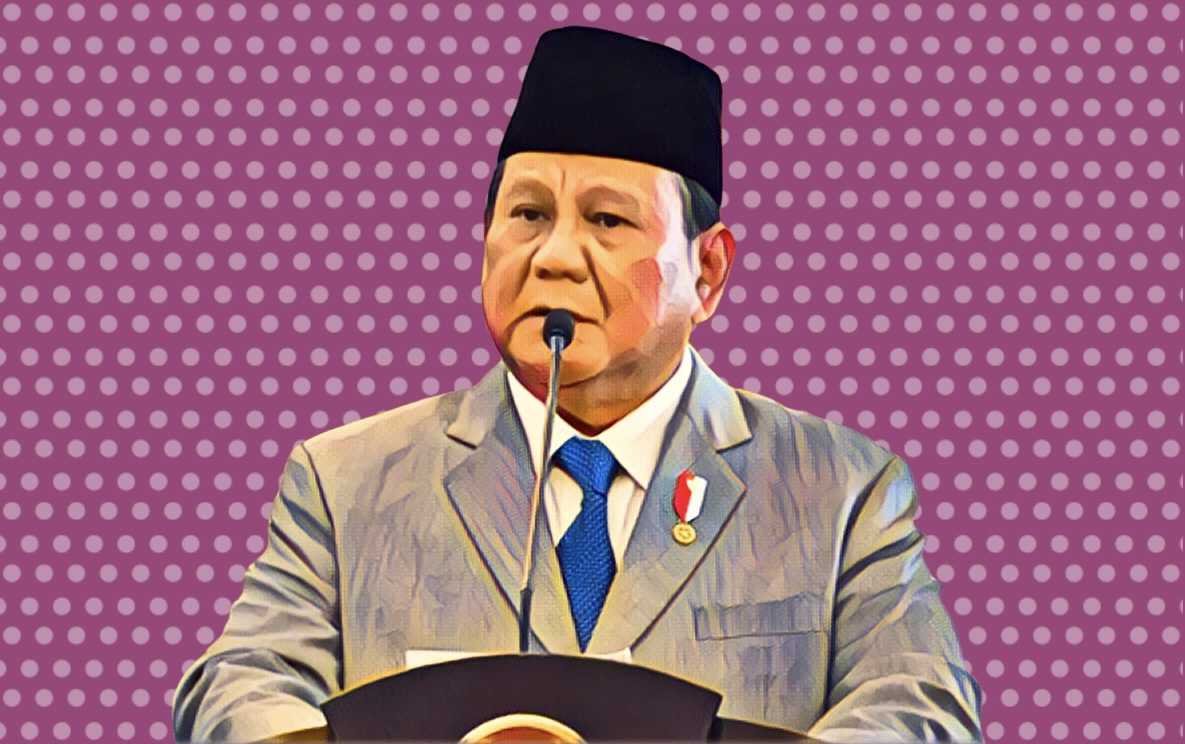
Indonesia is developing a plan to ensure that the state receives at least 70% of the benefits generated by mining companies, as President Prabowo Subianto pushes for greater public returns from the country’s natural resources.
Energy and Mineral Resources Minister Bahlil Lahadalia said on Nov. 23 that the government was considering different ways to achieve the target. These include taking a 70% ownership stake in mining companies or securing 70% of their revenue. However, officials have not settled on a final structure, leaving the proposal at the formulation stage.
Mining benefits proposal seeks greater state control
The plan follows Prabowo’s call for the state to secure at least 70% of the benefits from all mining permits. His position reflects a broader effort to increase government control over natural resources and ensure that more of the wealth generated by the sector supports national development. Consequently, the administration is examining how mining agreements distribute financial returns between companies and the state. The government has also been pursuing measures to improve oversight of commodity exports and strengthen the pricing of mineral products.
Lahadalia said the government would honour existing mining permits, while any changes to equity ownership would apply to future agreements. This distinction could limit immediate disruption for companies already operating under valid licences. Nevertheless, the proposal has raised questions among investors about how authorities will calculate the 70% target and what obligations future operators may face. Mining companies are seeking greater clarity before making long-term investment decisions.
Investors seek clarity on proposed mining rules
Indonesia’s mining sector plays an important role in global commodity supply. The country is the world’s largest exporter of thermal coal, nickel and tin, and it is also a major copper exporter. Therefore, changes to its mining framework could affect companies, commodity buyers and investors with exposure to these markets. A shift towards greater state participation could also influence how future mining projects are financed, structured and managed.
However, industry representatives have questioned whether the government needs to take a larger share of mining companies’ benefits. Indonesia’s mining professionals association has argued that the state already receives benefits that exceed the profits earned by mining companies. This position raises a central question in the debate: whether the proposed 70% target would represent an increase in public revenue or a redistribution of returns that could affect the commercial viability of projects.
Financial analysts have also warned that uncertainty around the proposal could influence investor appetite. CreditSights, a research unit of Fitch Solutions, said the president’s remarks had renewed policy uncertainty and could sustain a risk premium in Indonesia’s mining sector. In practical terms, investors may demand higher returns to compensate for uncertainty over future regulations, ownership structures and revenue-sharing arrangements.
The government must therefore balance its objective of securing greater national benefits with the need to maintain a predictable investment environment. Mining projects require substantial capital, technical expertise and long development timelines. If companies cannot determine how future returns will be divided, some may delay investment decisions or reassess planned projects. At the same time, the administration wants a larger share of the country’s mineral wealth to support infrastructure and public services.
The proposal remains under discussion, and the government has yet to announce a final mechanism or implementation timetable. Its eventual design will determine whether the 70% target relies on direct ownership, revenue arrangements or a combination of both. Until officials provide those details, mining companies and investors will continue to assess what the proposed changes could mean for future permits and Indonesia’s position in global mineral markets.