Key Points
-
Liberia ratifies rail access allowing Ivanhoe Atlantic to export Guinea iron ore via Buchanan port.
-
Kon Kweni project targets up to 30 million tonnes annual output by 2029.
-
Multi-user rail corridor opens logistics opportunities across West Africa.
U.S.-based miner Ivanhoe Atlantic has cleared a major hurdle in its Guinea iron-ore plans after Liberia’s legislature ratified a concession and access agreement granting the company rail transport rights to the Atlantic coast.
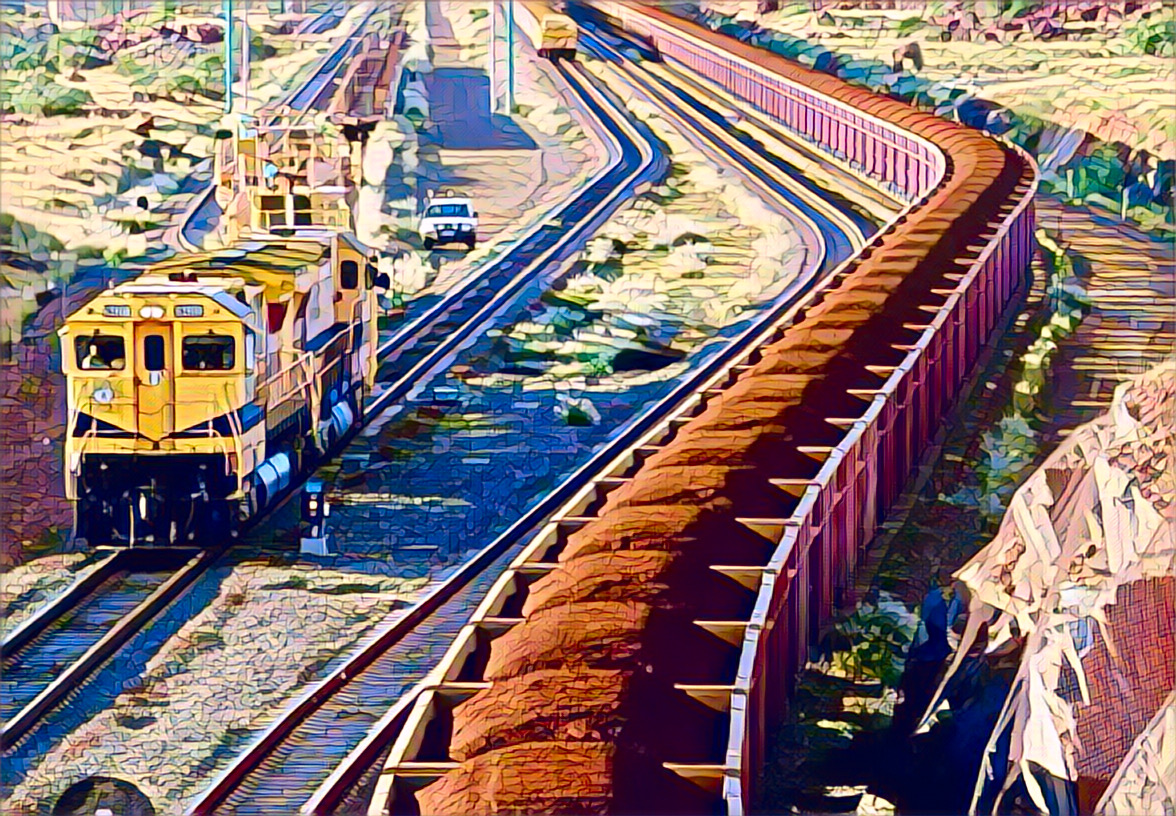
The approval allows Ivanhoe Atlantic to move iron ore from its Kon Kweni project in Guinea through Liberia using the government-owned Yekepa-Buchanan rail line, ending at the Port of Buchanan.
The rail corridor forms part of a planned multi-user, independently operated logistics route linking inland West African mineral deposits to global export markets.
Six-year effort reaches milestone
The ratification marks the culmination of six years of negotiations between Ivanhoe Atlantic and the Liberian government.
It builds on a 2019 implementation agreement signed by Liberia and Guinea that set out the legal and institutional framework for cross-border mineral transportation.
Ivanhoe Atlantic President and Chief Executive Officer Bronwyn Barnes described the development as a breakthrough not only for the company but also for regional logistics.
The agreement, she noted, opens the rail corridor to other potential users in Liberia and neighboring countries, including Western-aligned mining and industrial companies seeking alternatives for bulk exports.
Positioning against Simandou dominance
Founded by billionaire mining investor Robert Friedland, Ivanhoe Atlantic is positioning its Guinea iron-ore project as a Western-aligned alternative to the China-backed Simandou development.
The company has pledged to supply high-grade iron ore into non-Chinese supply chains, targeting steelmakers in Europe and North America that are seeking diversified sources of premium ore.
Kon Kweni holds an estimated 751.9 million tonnes of direct shipping ore. About 209 million tonnes of that resource grades at 67.8 percent iron, placing it among the higher-grade undeveloped iron-ore deposits in the region.
Environmental approvals and construction plans
Following the legislative approval, Ivanhoe Atlantic is moving to complete remaining environmental and regulatory approvals in both Guinea and Liberia. The company has already submitted permit applications to relevant authorities in both countries.
In Guinea, the environmental and social impact assessment covers Phase 1 mining activities. That phase targets initial production of two million tonnes a year, rising to five million tonnes annually.
In Liberia, the assessment focuses on rail and port infrastructure linked to the same development phase.
A jointly established Technical Committee with the Guinean government is now advancing engineering and construction planning.
Phase 1 construction is scheduled to begin in the first quarter of 2026, subject to final regulatory clearance.
Expansion targets and regional impact
Ivanhoe Atlantic plans a Phase 2 expansion by 2029. That phase, subject to separate environmental approvals, aims to lift production to 30 million tonnes a year and includes major rail and infrastructure upgrades.
Alongside construction, the company is preparing to recruit key operational staff and expand partnerships with local service providers.
The strategy focuses on boosting local content, skills development, and economic activity along the rail corridor.
Liberia’s policy shift toward a multi-user rail system is expected to support not only mining exports but also agricultural and industrial freight, creating shared economic value along the Yekepa-Buchanan line.