
Key Points
- Valterra Platinum grows past R300bn in market value after strong year-end gains.
- The company pushes new hydrogen and mobility initiatives to expand PGM demand.
- Executives highlight tight supply and rising industrial use as major drivers.
Valterra Platinum closed 2025 on a high note. The company’s market value pushed beyond R300bn after a rapid rise on both the Johannesburg and London stock exchanges. The surge marked a strong finish to its first year as an independent PGM producer.
Company credits steady strategy and rising prices
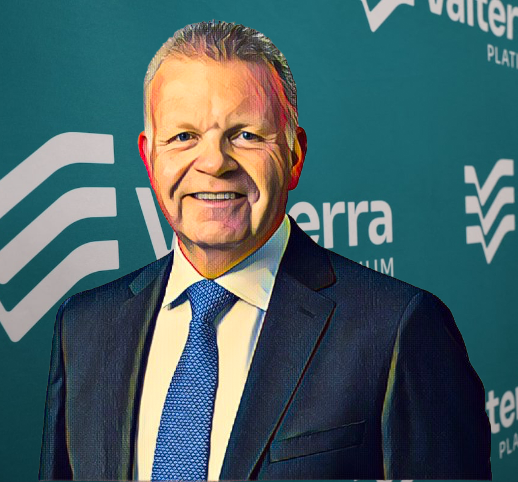
The firm separated from Anglo American in mid-2025. Since then, its share price has nearly doubled on the JSE and climbed more than 60 percent in London. CEO Craig Miller told reporters at the company’s year-end briefing that the growth reflects confidence in its strategy.
He said the team built clarity around the demerger, pushed for tighter operations and worked to rebuild market trust. He also noted that PGM prices recovered during the year. The company expected that rebound, and the stronger basket price helped support the share rally.
During her opening remarks, executive head of corporate affairs and sustainability Yvonne Mfolo described the PGM sector as complex. She added that it remains central to South Africa’s economic growth.
Broader shifts shape the outlook for PGMs
Miller pointed to several trends that affected the company through the year. He noted growing pressure from communities and the wider public. He also referred to rapid advances in technology, rising interest in critical minerals and changes linked to the energy transition.
Valterra and other large producers have been discussing potential chrome tax and quota rules with Minerals Council South Africa.
The company also engaged government and industry about the proposed amendments to the mining law. Miller stressed that any policy shift will influence jobs, beneficiation and long-term investment.
PGM demand strengthens across industries
The company holds an optimistic view of the PGM market. Miller highlighted tight supply, falling output elsewhere and firm demand from auto manufacturers.
He added that industrial users continue to expand applications, which the company plans to support.
Valterra is exploring new markets where PGMs can play a role. The list includes cleaner mobility, fuel cell vehicles, battery electric vehicles, data storage technology and electronic chips.
He noted that financial flows have become as influential as supply and demand. Right now, those flows support a tighter market. He said this could keep prices at current levels for some time.
Hydrogen mobility sits at the centre of Valterra’s long-term plan
Valterra has promoted hydrogen projects throughout 2025. Miller described hydrogen fuel cell transport as a practical part of the energy transition. He pointed to a recent event in Sandton.
During the gathering, Toyota, Sasol, Air Products, Bambili Energy and Bosch helped demonstrate fuel cell cars operating on public roads. Miller drives a Toyota Mirai at home and continues to promote the concept globally.
Soon after the briefing, he travelled to Seoul for the Hydrogen Council Global CEO Summit. More than 200 executives attended sessions on infrastructure, standards, and demand growth.
The event used only hydrogen-powered vehicles for transport, which gave attendees a live view of what a fuel cell economy can look like.
Company plans to strengthen its position into 2026
Miller told reporters that Valterra will keep pushing for transparency and credibility. He said competitiveness matters in a cyclical industry. He plans to deepen discussions with policymakers, communities, and journalists on the next phase of critical-mineral development in South Africa.
He also wants the company to accelerate market development by supporting new PGM applications. He stressed the value of collaboration with other producers as global markets begin to shift.
The European Union recently approved more than €600m for hydrogen infrastructure under the Alternative Fuels Infrastructure Facility.
Germany also committed to new hydrogen-fired power plants. These moves strengthen the long-term case for PGMs in cleaner transport and energy systems.
Miller closed with the view that 2026 will build on the momentum created this year.