
KEY POINTS
- Simandou is offsetting iron-ore supply declines elsewhere.
- Guinea exported 8.9 million tons in the third quarter
- Iron-ore prices have fallen 24% since their May peak.
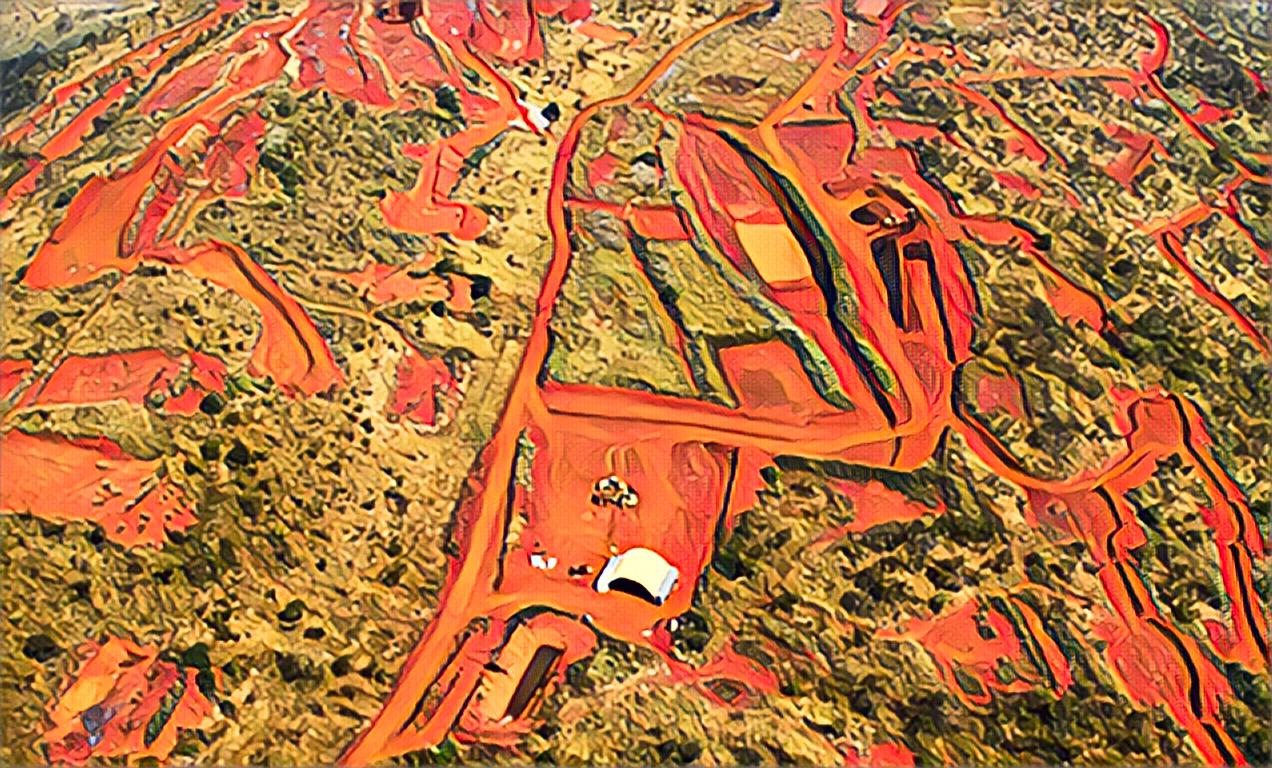
Guinea’s massive Simandou iron-ore project is helping to sustain global seaborne supplies as producers elsewhere reduce output amid falling prices, elevated freight charges and rising diesel costs, according to Macquarie Group.
The Australian financial services group said the project’s expanding shipments had compensated for declining supplies from other producers, helping to keep iron ore flowing into international markets despite increasingly difficult operating conditions.
“Simandou has single-handedly supported seaborne volumes,” Macquarie analysts, including Florence Sun, said in a research note.
The analysts estimated that Guinea’s iron-ore exports could reach approximately 28 million tons for the full year if shipment volumes recorded in October are maintained. However, they cautioned that the projection remains dependent on favourable weather conditions.
The project is emerging as a significant contributor to the global iron-ore market as producers contend with weaker prices and pressure on operating margins.
Iron-ore prices fall amid weak demand
Iron-ore prices have declined by approximately 24% from their peak in May, reflecting increased supply alongside subdued demand for the steelmaking raw material.
Prices fell below $90 a ton last month, raising concerns about the financial sustainability of production at higher-cost mines.
UBS Group AG estimated in a research note last week that as much as 170 million tons of iron-ore production could become loss-making if prices remain below that threshold.
The combination of lower prices, high transportation costs and expensive diesel is squeezing producers, particularly those operating mines with relatively high production costs.
Macquarie expects global iron-ore supply to increase by approximately 14 million tons in 2026, even as Chinese production is projected to decline by 4.5%.
The contrasting trends suggest that additional supplies from projects such as Simandou could help offset production declines in other regions, although the market outlook will continue to depend on demand from major steelmaking countries.
Guinea’s iron-ore exports rose significantly in the third quarter, reflecting the growing contribution of the Simandou project to international markets.
Government data showed that the West African country exported 8.9 million tons of iron ore during the three months, up from six million tons in the second quarter.
The Baowu-Winning consortium accounted for 6.55 million tons of shipments, while Simfer exported 2.16 million tons during the period.
The figures underline the increasing role of the project in Guinea’s mining industry and the wider seaborne iron-ore trade.