
KEY POINTS
-
Rio Tinto proposes raising CEO Simon Trott’s target pay by 56% to £9.8 million.
-
His maximum remuneration could rise by 63% to £18.3 million, subject to performance.
-
Shareholder approval is required as mining companies compete for senior executives.
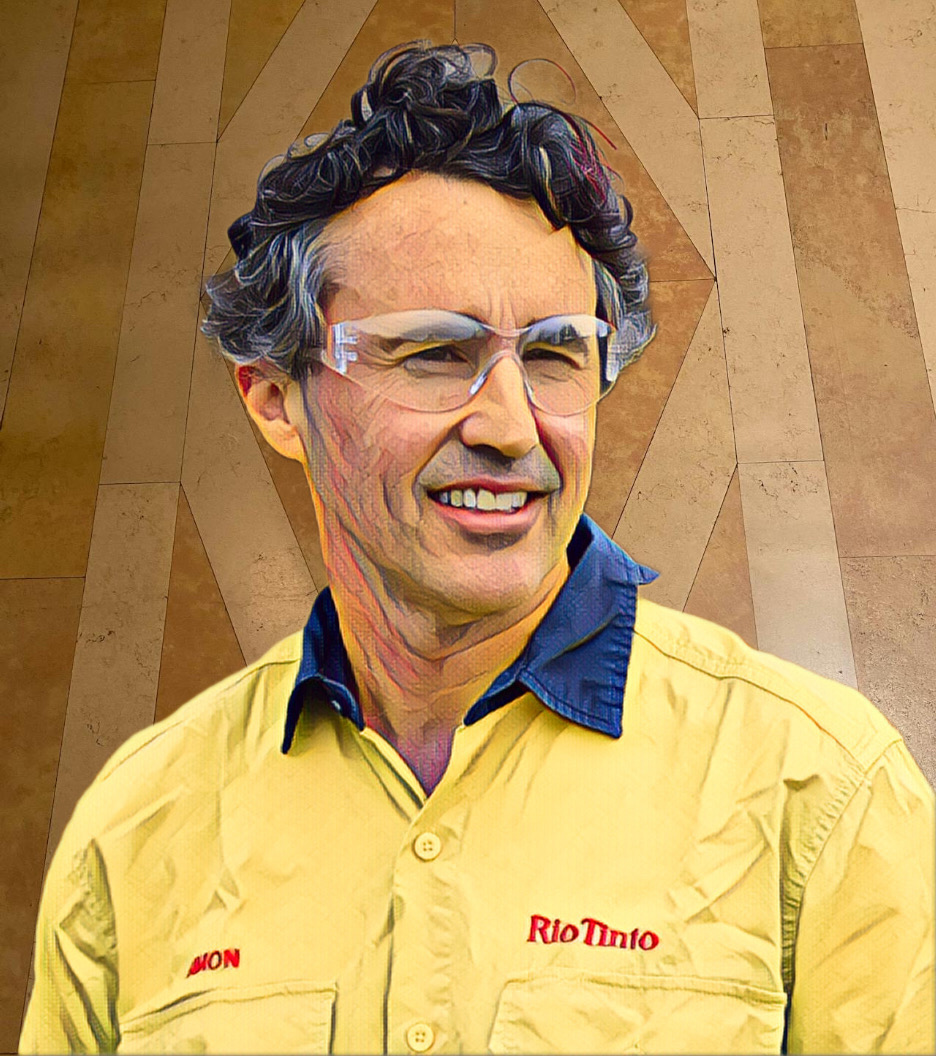
Mining giant Rio Tinto has proposed increasing chief executive Simon Trott’s target remuneration package by 56% to £9.8 million ($13.06 million), as competition for senior executives intensifies across the global mining, energy and aerospace industries.
The proposal, reported by Reuters on October 28, 2026, forms part of a broader overhaul of the company’s executive compensation structure, with greater emphasis on performance-based incentives and long-term shareholder returns.
The proposed changes would apply to Trott’s compensation over the next three years and require shareholder approval at the company’s annual meeting next year.
The move comes as mining companies face growing pressure to attract and retain experienced leaders amid rising demand for critical minerals, the expansion of energy transition projects and competition from other industrial sectors offering increasingly attractive remuneration packages.
Rio Tinto Links Higher Pay to Performance
Rio Tinto’s board has proposed increasing Trott’s target remuneration to £9.8 million from its previous level, according to people familiar with the matter and documents reviewed by Reuters.
The company’s remuneration committee chairman, Ben Wyatt, said Rio Tinto was consulting shareholders ahead of an update to its executive pay policy.
Wyatt explained that Trott’s fixed salary would remain unchanged, while adjustments would be made to incentives tied to multiyear business performance and shareholder returns.
He said the proposed structure was designed to encourage stronger business performance, support the company’s long-term strategy and help attract and retain senior leadership in an increasingly competitive global market.
Trott became Rio Tinto’s chief executive in July 2025. During his tenure, the company recorded a 43% increase in underlying earnings in the first half of 2026, while pursuing restructuring initiatives and asset sales.
The proposed compensation changes would place greater emphasis on rewarding executives when the company achieves specified performance objectives.
Maximum Remuneration to Rise by 63%
The proposed changes would also significantly increase the maximum remuneration Trott could receive if performance targets are met.
According to briefing documents reviewed by Reuters, his maximum remuneration package would rise by 63% to £18.3 million.
The proposal includes changes to both short-term and long-term incentive limits.
Short-term incentives would increase to a maximum of 300% of base salary, compared with the existing limit of 200%. The maximum long-term incentives would rise to 900% of base salary from 500%.
These adjustments would give Trott access to substantially larger performance-related payments, depending on the company’s results and the achievement of the applicable targets.
The proposal remains subject to shareholder approval at Rio Tinto’s annual meeting in 2027. Until that approval is obtained, the expanded compensation framework will not take effect.
Investors Raise Concerns Over Executive Pay
The proposed increase has drawn concerns from some Rio Tinto investors, who fear that higher executive compensation could contribute to a broader escalation in mining industry salaries.
Some shareholders also questioned how the proposal might be received at a time when households are facing cost-of-living pressures.
The debate reflects the challenge companies face in balancing competitive remuneration with shareholder expectations and public perceptions of executive pay.
Supporters of performance-based compensation argue that higher potential rewards can help companies secure experienced leaders and align executive interests with business results.
However, critics worry that expanding compensation packages could encourage other companies to increase their own executive pay, even when the relationship between higher remuneration and improved performance is not sufficiently demonstrated.
Rio Tinto’s proposal would therefore test shareholders’ willingness to approve a more generous incentive structure in exchange for stronger links between executive rewards and long-term business outcomes.
Global Competition for Mining Executives Intensifies
The proposed increase comes amid growing competition for senior executives across mining, aerospace, engineering, manufacturing and energy transition industries.
A Deloitte report published in April found that median chief executive pay at FTSE 100 companies increased by 18% year-on-year to £5.89 million in 2025.
Remuneration has also risen across Britain’s aerospace, engineering and manufacturing sectors, adding pressure on mining companies seeking to retain experienced executives.
The competition extends beyond traditional mining businesses as companies involved in lithium and other energy transition minerals expand their operations.
Rag Udd, who is leaving BHP, is set to become chief executive of Albemarle, which is developing lithium projects for electric vehicle batteries.
Meanwhile, French mining company Eramet approached Rio Tinto executive Jerome Pecresse about its chief executive position within the past year, according to a person familiar with the matter.
Pecresse joined Rio Tinto from General Electric, illustrating how mining companies recruit leadership talent from other industrial sectors.
The movement of executives across companies and industries has intensified the pressure on boards to offer compensation packages that can compete with opportunities elsewhere.
Rio Tinto Seeks to Close Pay Gap With US Companies
Rio Tinto has also expanded the group of companies it uses to benchmark executive remuneration.
According to an investor presentation reviewed by Reuters, the company added US energy majors Chevron and ExxonMobil, as well as GE Aerospace, to its peer group.
The expanded list is intended to provide a broader basis for comparing executive compensation across industries and markets.
Under the proposed framework, Trott’s maximum remuneration would sit just below the median among the 19 companies in Rio Tinto’s comparison group.
ExxonMobil chief executive Darren Woods received $33 million in 2025, making him the highest-paid executive in the group based on the documents reviewed by Reuters.
Canada’s Agnico Eagle Mines and US-based Freeport-McMoRan were identified as the highest-ranked mining companies in the peer group.
The proposed package would also place Trott’s remuneration above that of BHP chief executive Brandon Craig, whose compensation is expected to be around $10 million and capped at just below $13 million.
The comparisons illustrate the pay differences between executives at major mining companies and those leading some large US corporations.
Mining Industry Faces Wider Pay Increases
The pressure to offer more competitive remuneration extends across the mining sector.
Data from proxy advisory firm Glass Lewis showed that nearly 60% of FTSE 350 companies proposed pay increases during this year’s annual general meeting cycle.
A separate report by Bedford Group found that median total remuneration for mining company chief executives and chief financial officers increased by 14% during the year, driven partly by performance-linked incentives.
However, shareholder resistance to higher executive pay remains a concern.
Anglo American withdrew a proposal last year that would have guaranteed substantial bonuses for senior executives linked to its planned merger with Teck Resources.
The episode demonstrates that shareholders may oppose compensation arrangements they consider insufficiently tied to measurable performance or corporate outcomes.
George Cheveley, a portfolio manager at Ninety One, a Rio Tinto shareholder, said higher remuneration could be justified when it was aligned with shareholder interests.
The central question for Rio Tinto investors will be whether the proposed incentive structure provides sufficient accountability while helping the company retain leadership talent in a competitive global market.