
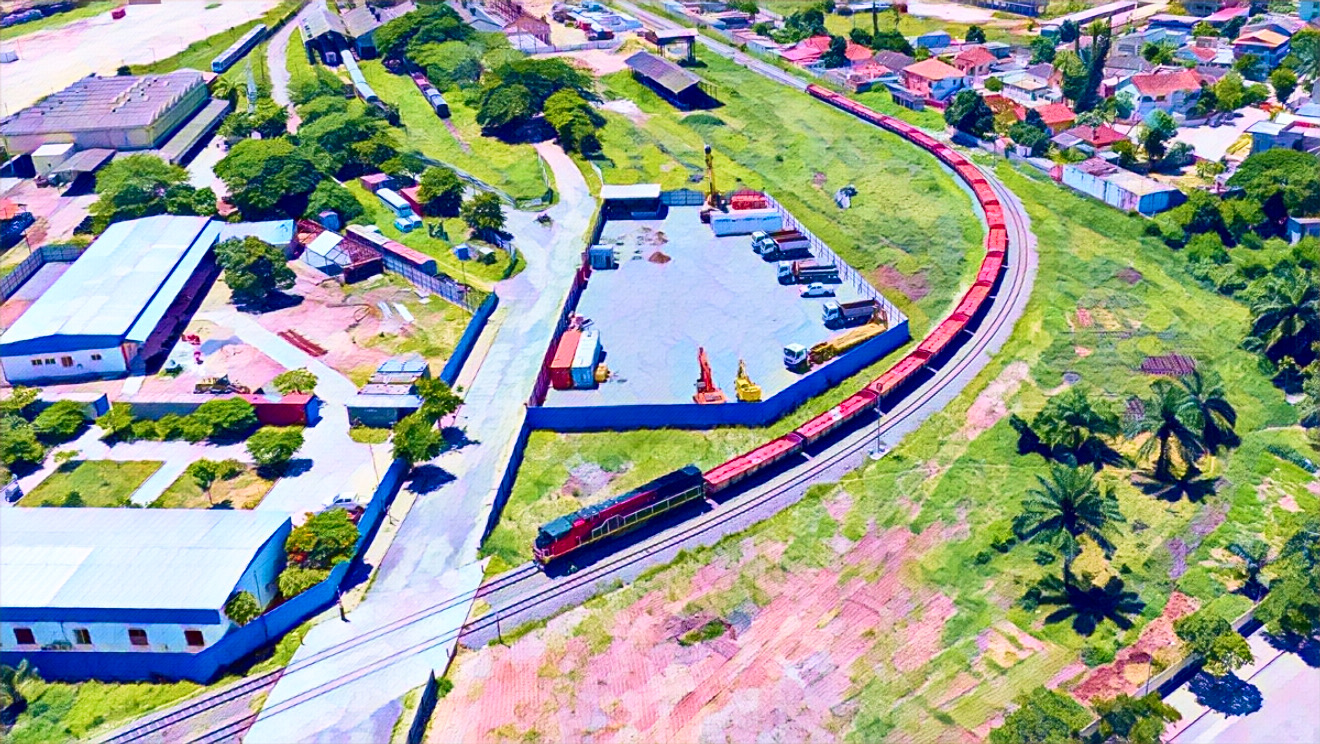
Two major construction companies, Italy’s Webuild and Brazil’s Odebrecht, are reportedly in contention to build a new railway linking Zambia’s copper-producing region to Angola’s Atlantic coast, as a multibillion-dollar infrastructure project moves towards contractor selection.
The proposed Zambia-Lobito Railway is expected to span approximately 830 kilometres, connecting Chingola in Zambia’s Copperbelt to Luacano in Angola, where it will link with the existing Benguela railway and provide access to the Port of Lobito.
The project is being developed under the leadership of the Africa Finance Corporation (AFC), which is working with the governments of Zambia and Angola to establish a new cross-border freight route.
The railway is intended to improve the movement of copper and other minerals from southern Africa to international markets. It could also carry agricultural products, petroleum and general cargo, broadening its role beyond the mining industry.
The reported interest from Webuild and Odebrecht comes as African governments and international partners seek to expand transport infrastructure serving the continent’s mineral-rich regions.
New route for Zambia’s copper exports
Zambia is one of Africa’s leading copper producers, but its landlocked position means exporters depend on rail and road networks running through neighbouring countries to reach seaports.
The proposed railway would connect the country’s Copperbelt to Angola’s existing rail network, opening a western export route through the Port of Lobito on the Atlantic Ocean.
Project developers expect the corridor to reduce transit times to around seven days, compared with as much as 16 days on alternative routes. The improved connection could help lower logistics costs and make regional mineral exports more competitive.
The railway forms part of the wider Lobito Corridor initiative, which aims to connect mining areas in Zambia and the Democratic Republic of Congo with international markets through Angola.
The existing Angolan railway is already operational under the Lobito Atlantic Railway concession. The proposed Zambia-Lobito link would add a new section of track, connecting Zambia’s rail network to the line running west towards the coast.
Contractor selection remains a key milestone
The construction contract is a significant opportunity for international engineering firms seeking to participate in Africa’s expanding infrastructure market. However, the reported interest from Webuild and Odebrecht should not be taken as confirmation that either company has secured the work.
The Zambia-Lobito Railway project’s official website lists contractor selection among its planned milestones for the third quarter of 2026. The procurement covers civil engineering and track laying in both Angola and Zambia, as well as signalling, railway systems and rolling stock.
The project’s development will also depend on financing, land acquisition and other preparatory work. The African Development Bank approved a $255 million loan and a $10 million grant in August 2026 to support Zambia’s participation in the broader Lobito Corridor development initiative.
The new railway is expected to strengthen regional trade links and provide an additional route for transporting critical minerals used in manufacturing, infrastructure and the global energy transition.
Its eventual impact will depend on the pace of construction, the cost of moving freight and the ability of the participating countries to coordinate cross-border railway operations.