
Key points
- National Railways of Zimbabwe is negotiating a $115 million Afreximbank facility to buy 10 locomotives and 315 wagons and repair track, Mutapa Investment Fund CEO John Mangudya said.
- The loan, first floated in 2023, would cover less than a fifth of the $600 million NRZ needs to overhaul its rolling stock and network.
- NRZ freight volumes have collapsed from 12 million tons a year in the 1990s to 2 million tons in 2025, pushing it into partnerships with miners such as Zimasco.
HARARE, Zimbabwe: Zimbabwe’s state-owned railway is negotiating a $115 million facility with the African Export-Import Bank to buy locomotives and wagons, Mutapa Investment Fund chief executive John Mangudya said on Thursday, a sum that would cover less than a fifth of the $600 million the operator needs.
National Railways of Zimbabwe, which now sits under Mutapa, the country’s sovereign wealth fund, is seeking the money for 10 locomotives and 315 wagons, with a portion set aside to repair sections of its aging track, Mangudya said.
The financing has been on the table for years. Plans announced in 2023 earmarked $81 million for nine locomotives and the same 315 wagons, plus $34 million for infrastructure.
The latest version adds a 10th locomotive. NRZ said in May that Afreximbank’s due diligence was still underway and that it hoped to reach financial close this year.
Patching the fleet with customers’ money
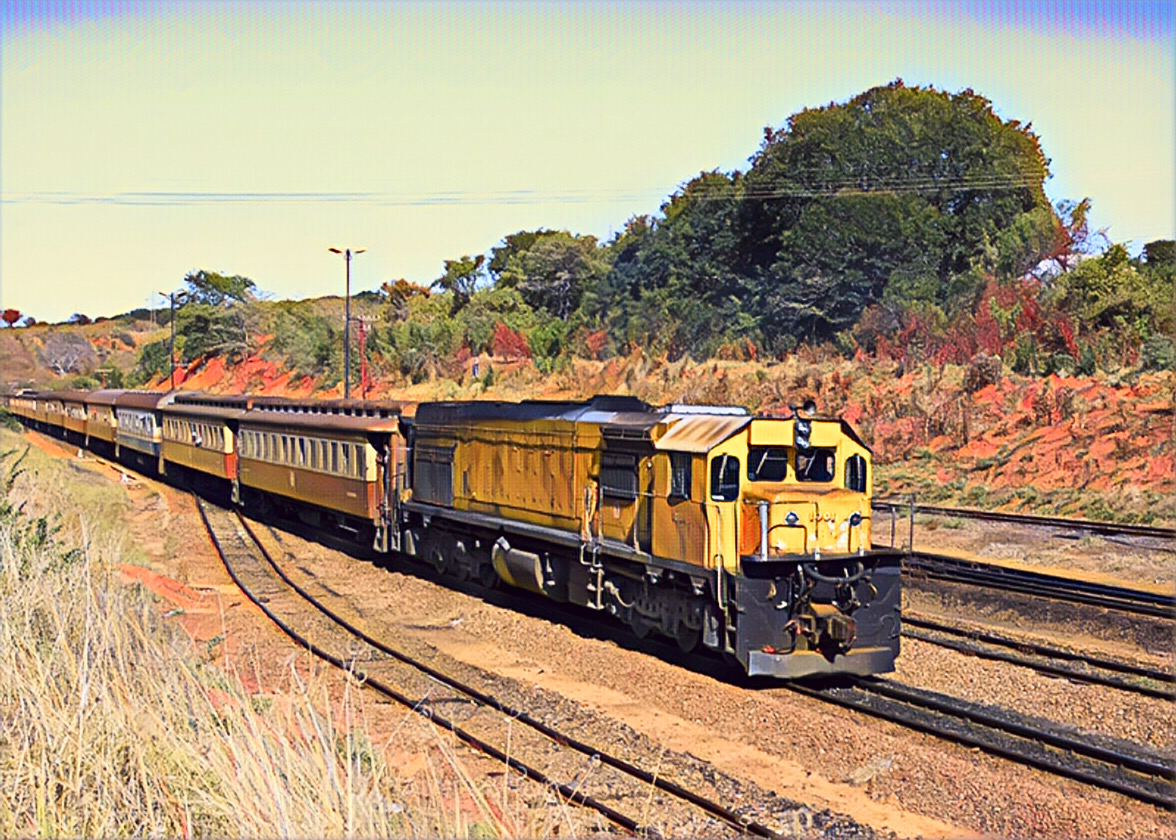
Mangudya spoke as NRZ commissioned three locomotives and 100 wagons refurbished under a partnership with Zimasco, the Zimbabwean ferrochrome producer owned by China’s Sinosteel.
Deals of that kind have become the railway’s workaround: major customers pay to restore equipment they then rely on to move their own cargo.
The need is stark. NRZ hauled about 12 million tons a year at its 1990s peak. In 2025 it moved 2 million tons, after years of underinvestment by the government left it short of working engines and reliable track.
The railway has also turned to private logistics firms to win freight back from trucks. On July 21 it said it was hauling lithium concentrate to Maputo port in Mozambique by rail with private operators, offering miners a cheaper route than the road haulage that carries most of Zimbabwe’s minerals to the coast.
A railway the mining boom needs
Reviving NRZ matters beyond the balance sheet. Zimbabwe is expanding output of lithium, chrome and other bulk minerals, and each ton that moves by rail rather than road lowers costs for producers and spares highways from heavy freight.
Mangudya put the full cost of upgrading rolling stock and the network at $600 million, which leaves a gap of nearly half a billion dollars even if the Afreximbank talks succeed.
Afreximbank, the Cairo-based trade finance lender, has become one of Zimbabwe’s most important sources of foreign funding as Western financing remains limited. Neither the bank nor NRZ has said when a deal might be signed.
Mangudya, who ran the Reserve Bank of Zimbabwe for a decade before taking over Mutapa, has been tasked with turning around a portfolio of state enterprises that also includes the national power utility and mining assets.