
KEY POINTS
- Mitsubishi Materials will invest $52 million in Akita.
- Tungsten recycling capacity will double to 2,400 tonnes yearly.
- Japan is cutting reliance on imports amid China’s export curbs.
Mitsubishi Materials will invest about 8 billion yen ($52 million) to expand tungsten recycling capacity at its subsidiary Japan New Metals as Japan moves to secure more reliable supplies of the critical mineral.
The project is being supported by Japan’s Ministry of Economy, Trade and Industry, which has provided a 2 billion yen subsidy. The investment comes as tighter Chinese export controls have increased pressure on countries that rely on China for tungsten supplies.
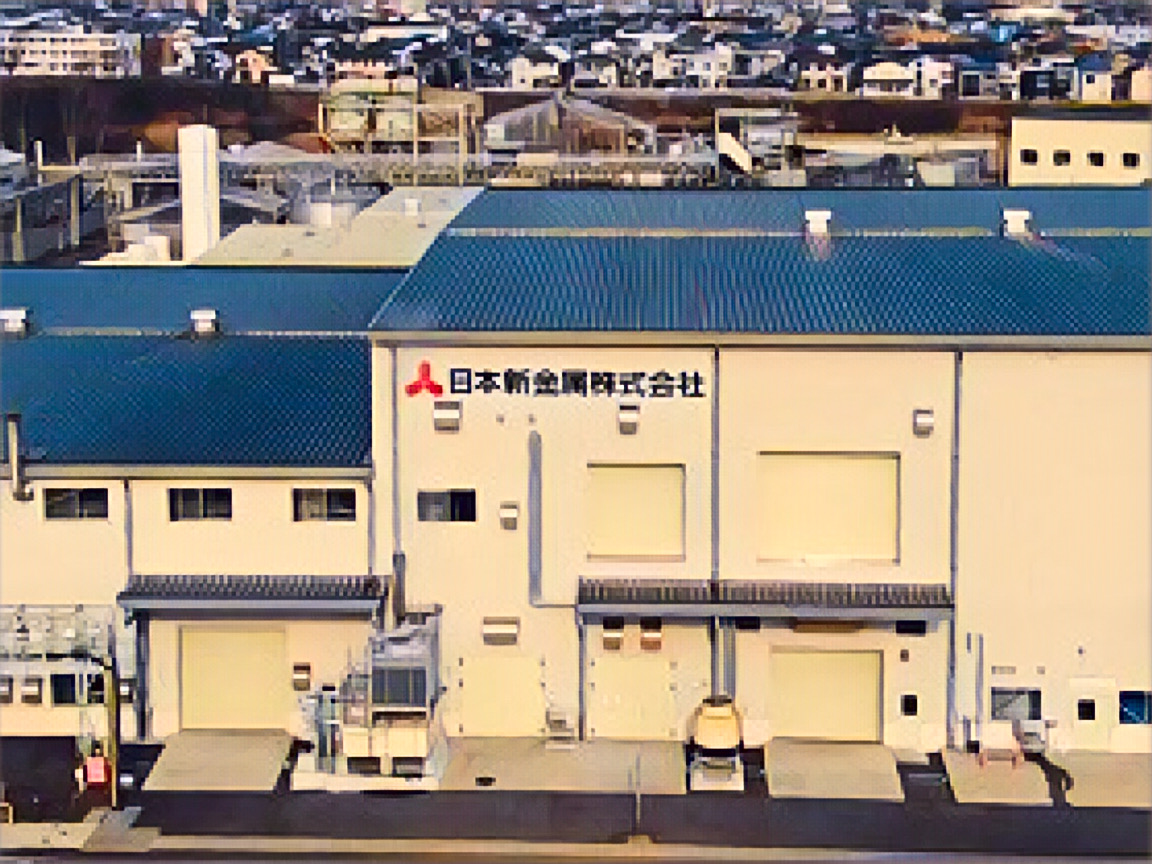
The expansion will take place at Japan New Metals’ Akita plant, with equipment installation scheduled to begin in fiscal 2026. Production is expected to start in April 2029.
The project will double the Akita facility’s annual capacity to produce ammonium paratungstate (APT) to 2,400 tonnes in tungsten trioxide-equivalent terms.
APT is an important intermediate material used in the production of tungsten metal and other tungsten-based products.
Japan New Metals plans to increase its use of domestically sourced tungsten scrap, allowing the company to replace about 1,200 tonnes a year of imported intermediate materials.
The move is expected to reduce Japan’s dependence on overseas supplies while giving manufacturers a more secure source of tungsten materials.
Tungsten critical to manufacturing
Tungsten is one of the hardest industrial metals and is particularly important in the production of cutting and drilling tools. Tungsten carbide, a material second only to diamond in hardness, is widely used across the mining, engineering and manufacturing industries.
The metal also has applications in aerospace and defence, while cemented carbide tools made from tungsten are essential to Japan’s manufacturing sector, including automotive production.
Because of its importance across these industries, securing a stable tungsten supply has become a strategic priority for Japan.
China is a major player in the global tungsten supply chain, and its export restrictions have raised concerns among manufacturers and governments seeking alternative sources.
Mitsubishi Materials said the Akita expansion would strengthen Japan’s domestic tungsten supply chain while promoting the recycling of valuable resources.
The company is targeting a 100% recycling ratio at its tungsten manufacturing sites by fiscal 2030, signalling a broader push to reduce dependence on imported materials and make greater use of scrap.