
KEY POINTS
-
Mota-Engil has won a 30-year concession to operate the Congolese section of the Lobito Corridor railway.
-
The deal could be supported by up to $1 billion in US financing and is aimed at boosting copper and cobalt exports.
-
The Portuguese firm already runs a connecting line in Angola, creating a complete route from Congo’s mines to the Atlantic coast.
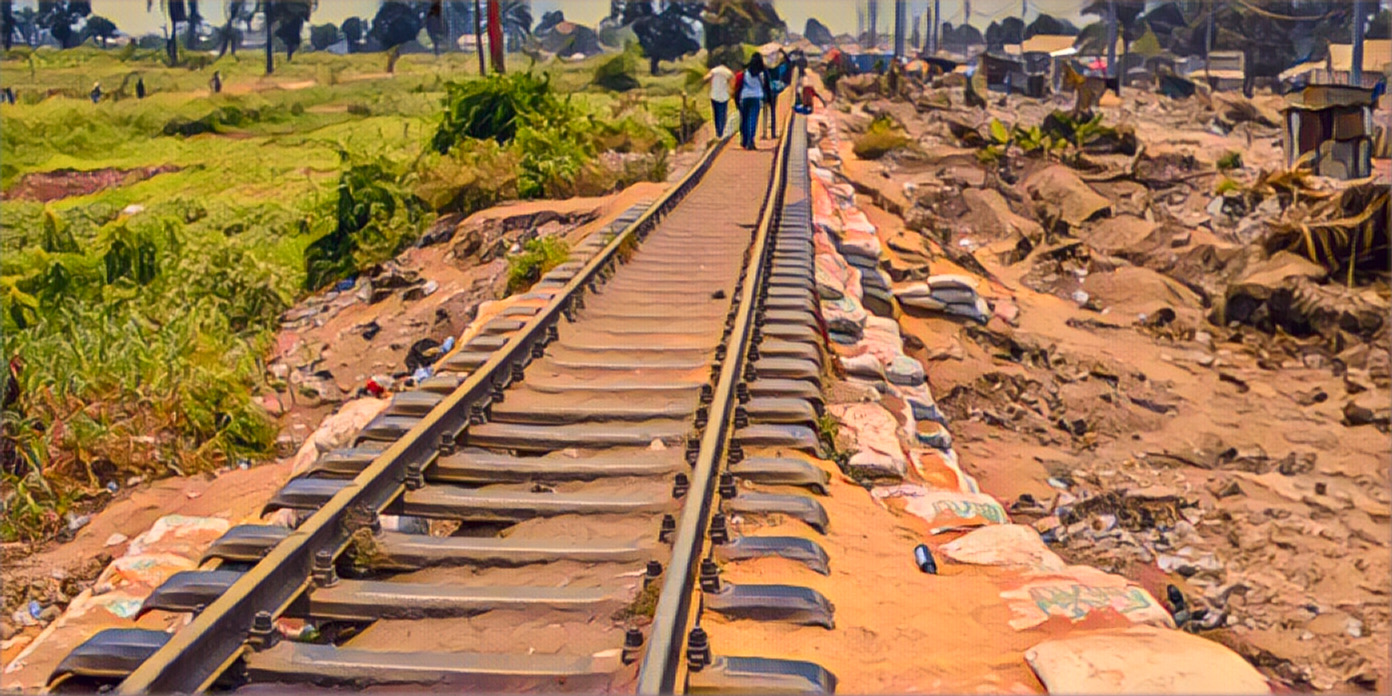
Mota-Engil SGPS SA, which is Portugal’s biggest construction company, has secured a 30-year concession from the Democratic Republic of Congo. This deal gives the firm the right to operate a crucial railway line that is used to transport copper and cobalt.
These two metals are vital for making electric vehicle batteries and other green technologies. The agreement covers the Congolese section of the Lobito Corridor, which is a larger infrastructure project designed to improve the flow of critical minerals from central Africa to international markets.
The financial backing for this operation is significant, with up to $1 billion in United States financing potentially supporting the project, highlighting the strategic interest that Western governments have in securing these supply routes.
The deal is not just about one railway line; it forms part of a broader push to increase exports of essential raw materials to Western countries. Copper and cobalt are in high demand, and the Democratic Republic of Congo holds some of the world’s largest reserves of these minerals.
By rehabilitating and managing this railway, Mota-Engil will help create a more efficient and reliable path for these resources to reach global markets.
The involvement of US financing is particularly noteworthy, as it signals a clear intention from Washington to reduce reliance on other global powers for critical mineral supplies and to build stronger trade links with African nations that possess these valuable resources.
This new concession builds on Mota-Engil’s existing presence in the region. The company is already part of a consortium that operates a connecting rail line in neighbouring Angola.
That particular line runs all the way to a port on the coast of the Atlantic Ocean. By taking over the Congolese portion of the corridor, Mota-Engil is effectively linking two sections of the same transport network.
This creates a seamless railway journey from the mineral-rich interior of Congo to the Angolan coast, from where the copper and cobalt can be shipped directly to buyers in Europe and the Americas. The 30-year timeline of the concession gives the company a long-term horizon to invest in repairs, upgrades, and efficient day-to-day management of the entire route.