
KEY POINTS
- SADC leaders want to reduce raw mineral exports and expand local processing and manufacturing.
- Critical minerals such as lithium, copper and platinum offer major opportunities for regional industrialisation.
- Better energy, transport, finance and cross-border infrastructure are essential to turning the plan into reality.
Southern African leaders in the SADC are intensifying efforts to end the export of raw minerals and build stronger regional industries capable of processing mineral resources locally.
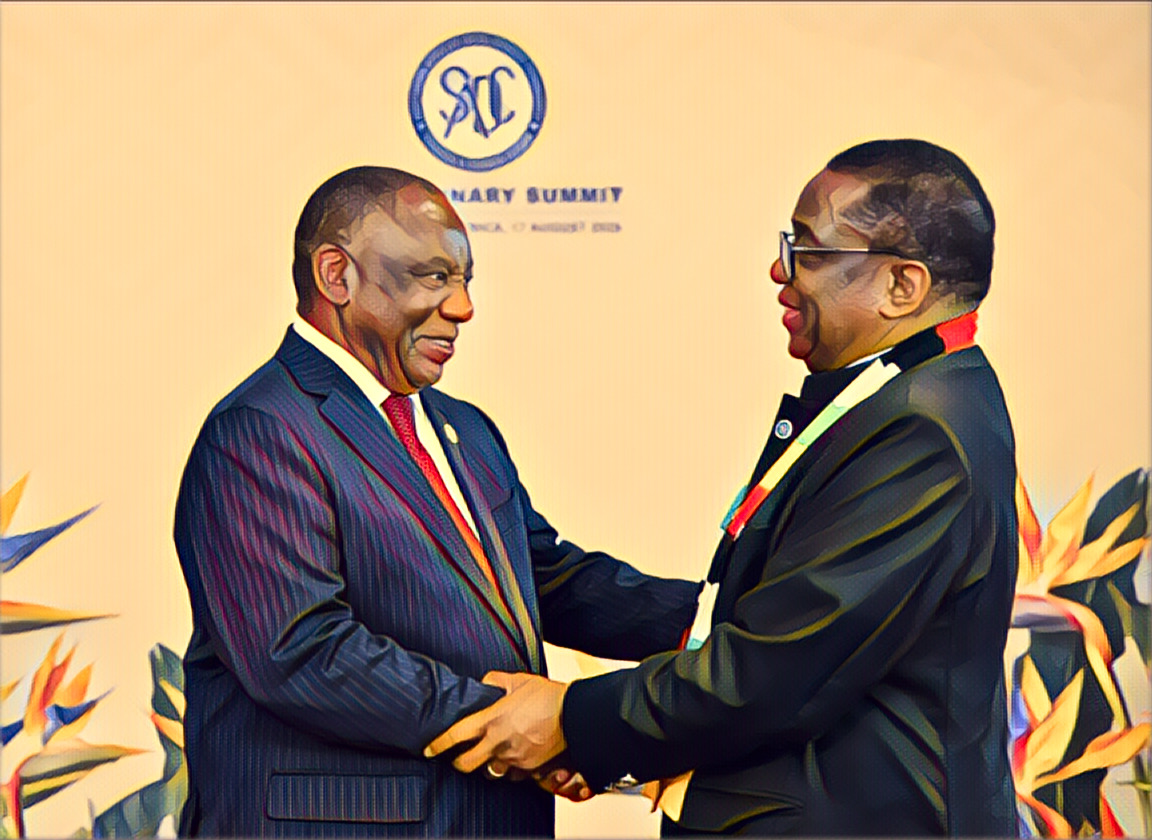
The push was a major focus of the 46th Ordinary Summit of the SADC in Durban, where Zimbabwean President Emmerson Mnangagwa handed over the bloc’s chairmanship to South African President Cyril Ramaphosa.
SADC Executive Secretary Elias Magosi said the region could no longer continue exporting its mineral resources in raw form while expecting meaningful industrialisation to take place.
He called for increased investment in mineral beneficiation, manufacturing and value addition so that more of the economic benefits generated from the region’s vast mineral deposits remain within Southern Africa.
The regional conversation is increasingly moving beyond the volume of minerals extracted to the amount of economic value that countries retain after extraction.
Southern Africa is richly endowed with minerals such as lithium, cobalt, copper, manganese, graphite and platinum group metals. Demand for many of these commodities is rising as countries around the world expand clean-energy technologies, electric vehicles and other advanced industries.
SADC leaders believe this growing demand presents an opportunity to develop industries around the region’s mineral resources rather than simply exporting ore and concentrates to overseas markets.
Greater local processing could generate higher-value exports, create skilled jobs, expand manufacturing capacity and establish new businesses linked to mining and industrial production.
Regional value chains seen as key
President Ramaphosa has made regional integration and the development of cross-border value chains central to South Africa’s leadership of SADC.
He has stressed the importance of improving the movement of goods, services, capital and skills across member states to strengthen economic cooperation.
Intra-SADC trade currently accounts for only about one-fifth of the region’s total trade, highlighting the considerable room for deeper economic integration.
Increasing trade within the bloc could create a larger market for processed minerals and manufactured products while allowing member states to specialise in different parts of the production chain.
For example, a mineral-rich country could provide the raw materials, while another country could supply processing facilities, electricity, logistics or manufacturing expertise. Such cooperation could help SADC countries build integrated regional supply chains instead of pursuing isolated national projects.