
KEY POINTS
- Berkeley Lab and Ideon Technologies won ARPA-E funding to develop a transportable muon imager for critical minerals.
- The tool would fire high-flux muon beams at ore bodies to produce 3D images in hours, not months.
- It relies on laser-plasma accelerators, aiming to couple two 6-GeV stages for more than 12 GeV.
Berkeley Lab and Ideon Technologies have won ARPA-E funding to build a transportable muon imager that could speed up the discovery of critical minerals.
The three-year project, backed through the US Department of Energy’s ROCKS initiative, aims to image deep underground with a precision that conventional sensing cannot match, and to secure domestic supplies of minerals vital to energy, industry and national security.
From passive to active muons
According to the partners, muons are subatomic particles with rare penetrating power, and Ideon has long used natural, passive muons to map ore. However, those particles arrive only from above and in tiny numbers, so building an image can take days, weeks or months.
Therefore, the project aims to generate high-flux muon beams that operators can aim at ore bodies to produce sharp 3D images in hours rather than months. Moreover, principal investigator Jeroen van Tilborg said muons of about 10 giga-electron-volts can pierce up to 20 metres of rock, while higher-energy beams could reach beyond 100 metres.
Laser-plasma accelerators do the work
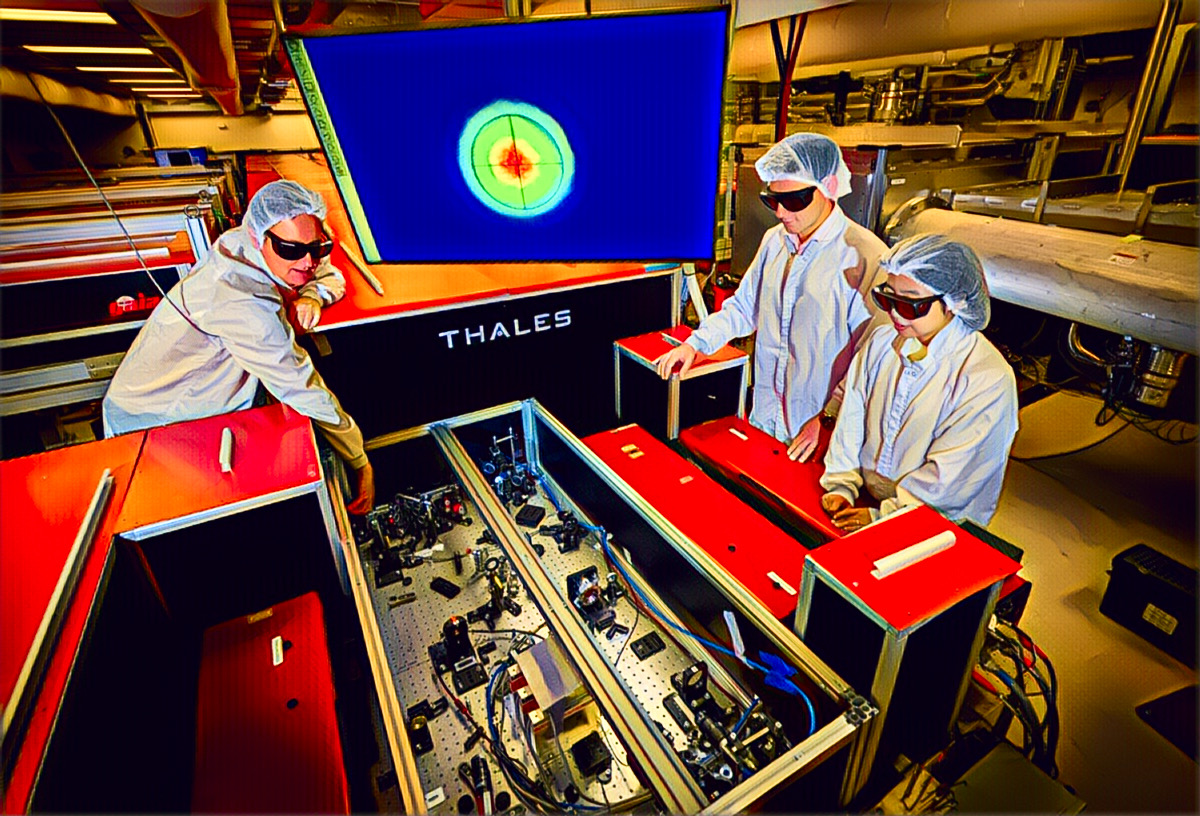
To create that active source, the team relies on laser-plasma accelerators pioneered at Berkeley Lab’s BELLA Center. Consequently, ultrashort laser pulses drive powerful wakefields that accelerate electrons to multi-GeV energies over centimetres, and those electrons then strike a target to make muon beams far more intense than the natural flux.
Berkeley Lab has already accelerated a 10-GeV electron beam in a single stage, and the project now aims to couple two 6-GeV stages for more than 12 GeV. Furthermore, the three partners split the work: Berkeley Lab’s ATAP division leads the hardware, its Physics Division supplies muon diagnostics, and Ideon provides the tomography and software that turns raw data into 3D density maps. Ideon’s chief technology officer, Douglas Schouten, said the tool could image millions of cubic feet of rock in hours.