Key points
- The partnership targets lower transport costs, cross-border interoperability, low-carbon transport and a skilled local rail workforce.
- GIZ will run a joint feasibility study for an African Rail Competence Centre, expected to launch in October.
- Africa holds just 8% to 10% of global rail, while AfCFTA is lifting demand across a 1.4 billion-person market.
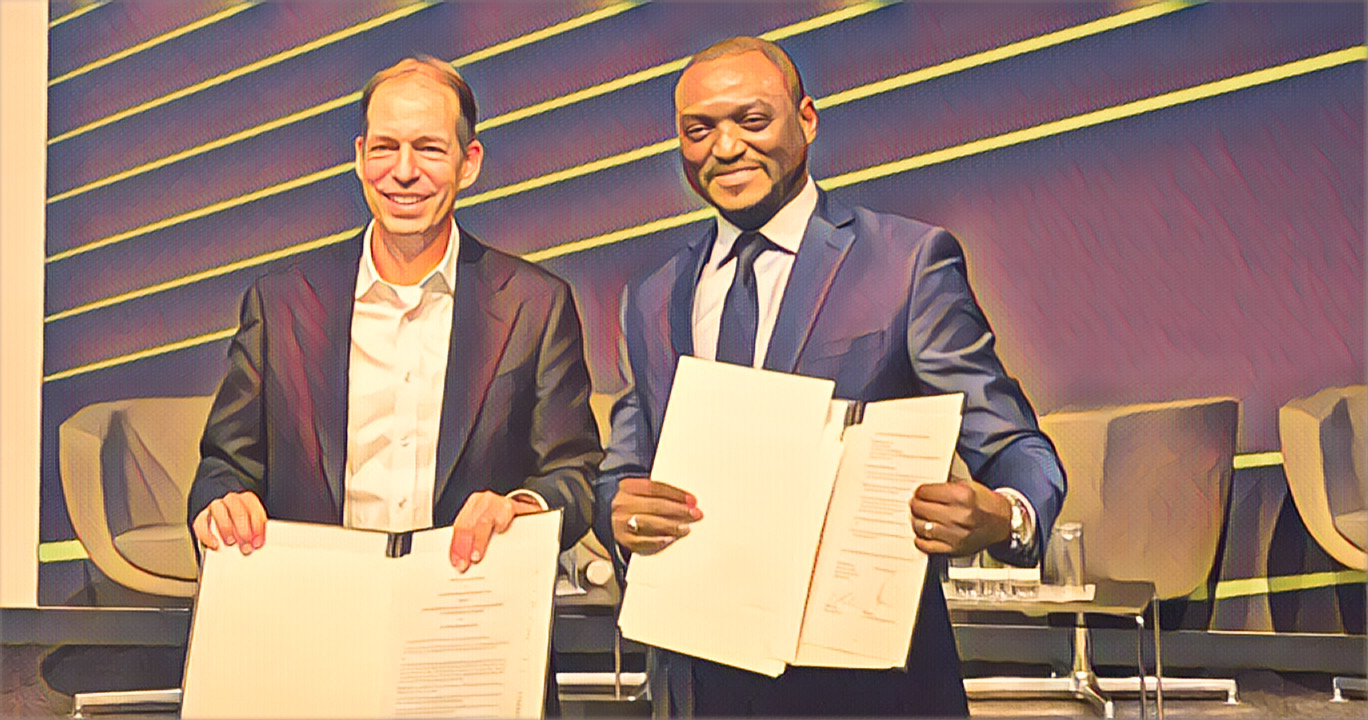
The African Development Bank Group and Germany’s Federal Ministry for Economic Cooperation and Development have formed a partnership to develop Africa’s railway systems and deepen regional economic integration, beginning with a study for a continental rail training and innovation hub.
The two institutions said they would work together to reduce transport costs, improve interoperability across borders, promote low-carbon transport and embed sustainable transport policies.
In addition, they intend to build a robust local labor market in the rail sector through skills transfer, vocational training and sustainable jobs.
The first concrete step is a joint feasibility study for an African Rail Competence Centre. German development agency GIZ will implement the study, which is expected to launch this month.
According to the partners, the center would bring together innovation and training to modernize and expand the continent’s railways.
A small network facing rising demand
Africa’s rail network accounts for only 8% to 10% of the world’s total. However, the African Continental Free Trade Area is driving growing demand for cross-border freight and passenger movement across a market of more than 1.4 billion people, which makes the gap more costly each year.
Mike Salawou, the AfDB’s director of infrastructure and urban development, set out five priorities: a continental market driven by AfCFTA, modal-shift reforms, interoperable standards, financing that crowds in private capital and the competencies needed to run networks once they are built.
His message to governments was direct. “African governments and railway authorities should set a clear vision, commission credible feasibility studies, reform early and give investors regulatory certainty,” he said.
European industry, meanwhile, should offer long-term partnership, local content and skills transfer “not just equipment.”
Where the money is going
Salawou urged financiers to join projects at the preparation stage, promising AfDB support through guarantees, blended finance and technical assistance.
The bank already backs the Lobito Corridor, East Africa’s Standard Gauge Railway program, the Nacala Corridor, Algeria’s North-South Rail Corridor, Morocco’s high-speed line and urban rail projects in Senegal and Nigeria.
Consequently, the German partnership adds a skills and standards layer to a portfolio that has so far focused heavily on steel and concrete.
Michael Krake, BMZ’s deputy director-general for economic cooperation, said the ministry would advance practical cooperation on interoperability and skills development with the bank.
The partners gave no funding figure for the competence center or a timeline beyond the study’s launch. Meanwhile, the Lobito Corridor continues to attract capital, with funding recently approved for Zambia’s inclusion and a $786 million financial close reached by the DBSA and the US DFC.