
KEY POINTS
- Platinum and palladium catalysts could improve battery energy density, operating time and payload capacity.
- Palladium-rich lithium-sulphur battery formulations recorded the strongest overall performance in prototype tests.
- Lion Battery Technologies has secured eight US patents and is advancing pilot-scale manufacturing and further testing.
Platinum Group Metals advances battery technology to improve drone performance, increase payload capacity and extend operating time.
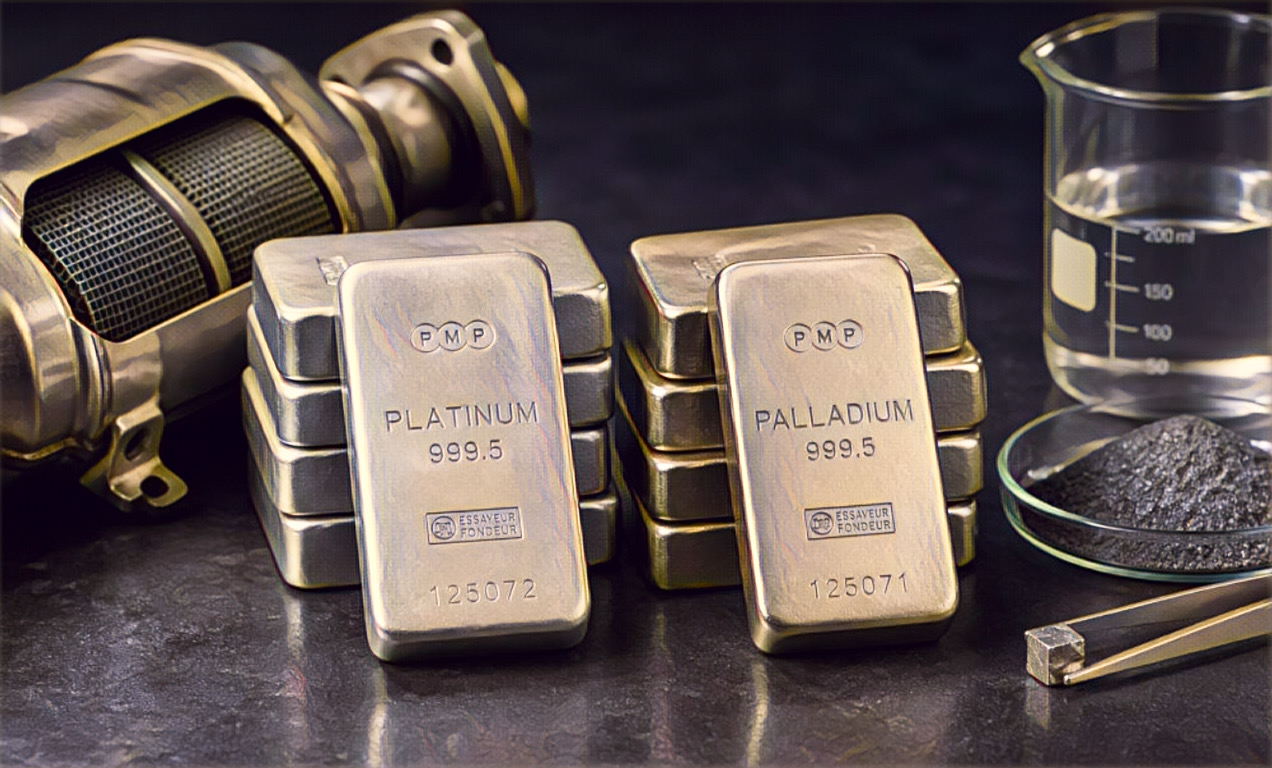
Platinum and palladium are being explored as potential catalysts for next-generation lithium-sulphur batteries that could significantly improve drone performance, extend flight times and increase payload capacity.
The research is being led by Lion Battery Technologies, a majority-owned subsidiary of Toronto- and New York-listed
Platinum Group Metals Limited, which has completed the first phase of independent testing and scale-up of its proprietary platinum- and palladium-based battery technology.
The company announced on October 1, 2026, that a newly funded development programme would focus on manufacturing and testing advanced battery prototypes, optimising catalyst formulations and evaluating their performance in applications such as drones.
The initiative is expected to generate technical data to guide the potential commercialisation of the technology, as researchers seek to address some of the limitations of existing battery chemistries.
New battery technology targets longer drone flights
The development programme will concentrate on producing and testing pouch-cell battery prototypes across several performance configurations. Researchers will assess how different platinum- and palladium-based catalyst formulations affect energy density, operating efficiency and overall battery performance.
Higher energy density is a key objective of the research, as it could allow drones to operate for longer periods without recharging, carry heavier payloads and deliver improved performance across a range of applications.
The technology could also have applications beyond drones, particularly in sectors that require lightweight, high-energy storage solutions.
Lion Battery Technologies has advanced its research and development to pilot-scale manufacturing of commercial pouch-cell prototypes. These prototypes are intended to provide a foundation for further development and eventual large-scale production, subject to the results of testing and commercial assessments.
Independent testing conducted by the Battery Innovation Center in Newberry, Indiana, has validated Lion Battery Technologies’ proprietary electrode technology in prototype lithium-sulphur cells.
The results showed that palladium-rich formulations delivered the strongest overall performance among the configurations tested, strengthening the company’s research into the catalytic properties of platinum group metals in advanced battery systems.
Florida International University’s Dr Bilal El-Zahab, who has been involved in the research, said the findings demonstrate the potential of platinum and palladium to address some of the fundamental challenges associated with lithium-sulphur battery chemistry.
He noted that the research, which has involved more than five years of testing and development, has examined the complex chemical reactions that influence battery performance.
According to El-Zahab, the catalytic properties of the two metals could help improve these reactions and deliver meaningful gains in battery performance.
The research team includes battery and materials science specialists, postdoctoral researchers and independent advisers who provide technical expertise and strategic guidance.
Among the members of the independent advisory board are Dr Seth Miller, a chemist, entrepreneur and consultant, and Sam Jaffe, vice-president of business development and products at Mana Battery, a developer of sodium-ion cells and electrolytes.