
KEY POINTS
- ISO has verified the emissions benefits of extending mining tyre life.
- 70 mining companies avoided about 32,700 tonnes of CO₂ emissions last year.
- Repairing and retreading tyres can cut waste, lower costs and reduce the need for new tyres.
The International Organisation for Standardisation, ISO, has verified the environmental benefits of extending the service life of mining tyres, giving mining companies a recognised method to measure emissions avoided by repairing, retreading and reusing tyres rather than replacing them prematurely.
The verification is particularly significant as mining companies face growing pressure to reduce their carbon footprints across their supply chains. According to Kal Tire, Scope 3 emissions account for the largest share of the overall carbon footprint of many mining operations.
The company said its carbon-footprint methodology provides measurable data that mining companies can use when reporting these indirect emissions.
The environmental impact of tyre life extension is already measurable. In the previous year, 70 mining companies operating across six regions reported that they had prevented about 32,700 tonnes of carbon dioxide emissions by avoiding the early manufacture and transportation of replacement mining tyres.
Kal Tire said the ISO verification builds on a programme it has used since 2019 to help mining operations quantify the environmental benefits of keeping tyres in service for longer.
The company believes such independently verified measurements will become increasingly important as mining companies seek credible ways to demonstrate progress in reducing emissions and waste.
Kal Tire’s Mining Tire Group is showcasing its tyre management and sustainability solutions at Electra Mining Africa 2026 at the Nasrec Expo Centre in Johannesburg, South Africa.
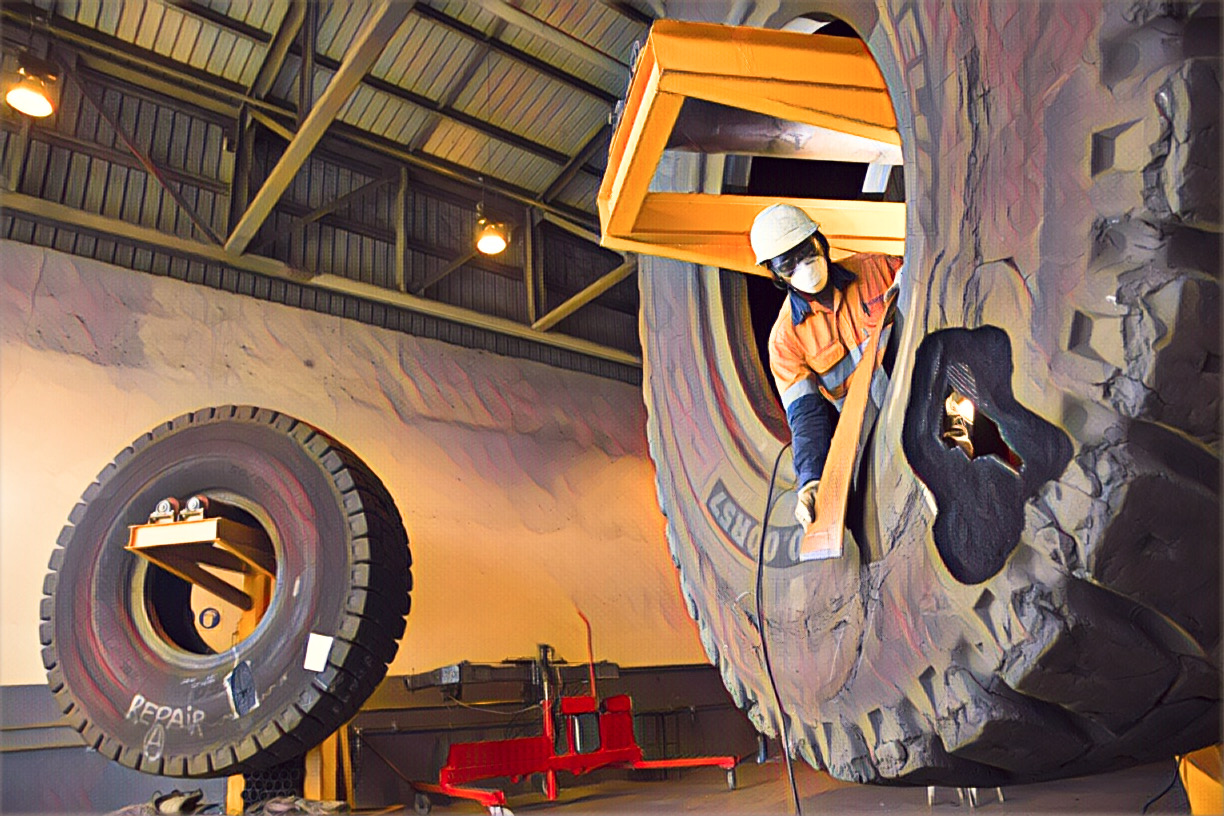
The group services and supplies more than 230 mine sites across five continents. Its Maple Program focuses on extending the useful life of mining tyres through services including ultra repair, retreading and ultra tread.
The approach allows mining companies to continue using tyre casings that might otherwise have been discarded, reducing the need to manufacture and transport new tyres.
SCS Global Services has also validated the carbon savings associated with Kal Tire’s tyre life-extension approach, providing additional assurance around the company’s emissions calculations.
Zambia and Ghana among users of the programme
Kal Tire vice-president for Southern Africa John Martin said mining customers in Zambia are already benefiting from the Maple Program, particularly through ultra-repair technology.
The company’s on-site repair facilities enable mining operators to restore damaged tyres and continue using them rather than immediately replacing them. Customers in Zambia receive annual certification showing the amount of CO₂ emissions saved through the programme.
Kal Tire communications director Tracy Cobb added that the company also has customers using the programme in Ghana.
Beyond the environmental benefits, tyre repairs can significantly reduce the cost of operating mining fleets.
Rather than scrapping a damaged tyre and purchasing a replacement, mining companies can invest in repairing the existing casing and give it another period of productive use.
Cobb said the cost of repairing a tyre is considerably lower than purchasing a new one. This means operators can reduce their overall tyre expenditure while continuing to use the tyre until it eventually reaches the end of its serviceable life.
The strategy therefore provides mining companies with both environmental and financial benefits.