
KEY POINTS
- President Hakainde Hichilema says more than $12bn has gone into mining since 2022.
- Zambia aims to produce 3 million tonnes of Zambia copper annually by 2031.
- Workers’ rights, local participation and environmental protection remain major concerns.
Zambia’s copper industry is attracting billions of dollars in investment as the government pursues an ambitious expansion of production, but questions remain about how much of the resulting wealth will benefit ordinary citizens. President Hakainde Hichilema said more than $12 billion had been invested in the mining sector since 2022, reflecting renewed interest in one of Africa’s leading copper-producing economies.
The investments involve international mining companies, mine expansions and efforts to restore previously underperforming operations. At the same time, the government has set a target of producing 3 million tonnes of copper annually by 2031, a substantial increase from the less than one million tonnes produced in recent years. The development comes as global demand for copper grows because of its importance to electricity networks, renewable energy infrastructure and electric vehicles.
Investment drives production ambitions
Major investors in Zambia’s mining industry include First Quantum Minerals, Barrick Mining Corporation, Vedanta Resources and China Nonferrous Metal Mining Group. Abu Dhabi-based International Resources Holding has also committed $1.1 billion to recapitalise Mopani Copper Mines, acquiring a 51% stake while state-owned ZCCM Investments Holdings retains the remaining 49%. These investments are expected to support mine operations, expand production and improve the country’s capacity to supply international markets. The government has also sought to restore investor confidence through tax incentives and a more predictable fiscal framework after years of changes to mining tax policies.
Zambia is also investing in geological exploration to identify additional mineral deposits and attract further mining activity. A nationwide high-resolution aerial geophysical survey was approximately 98% complete, according to the Ministry of Mines and Minerals Development. The government hopes that improved geological information will help investors identify new opportunities and support the expansion of existing operations. However, increasing copper production will require more than financial commitments. Mining operations depend on reliable electricity, transport infrastructure, skilled workers and effective regulation. These requirements will determine whether the country can sustain the proposed increase in production.
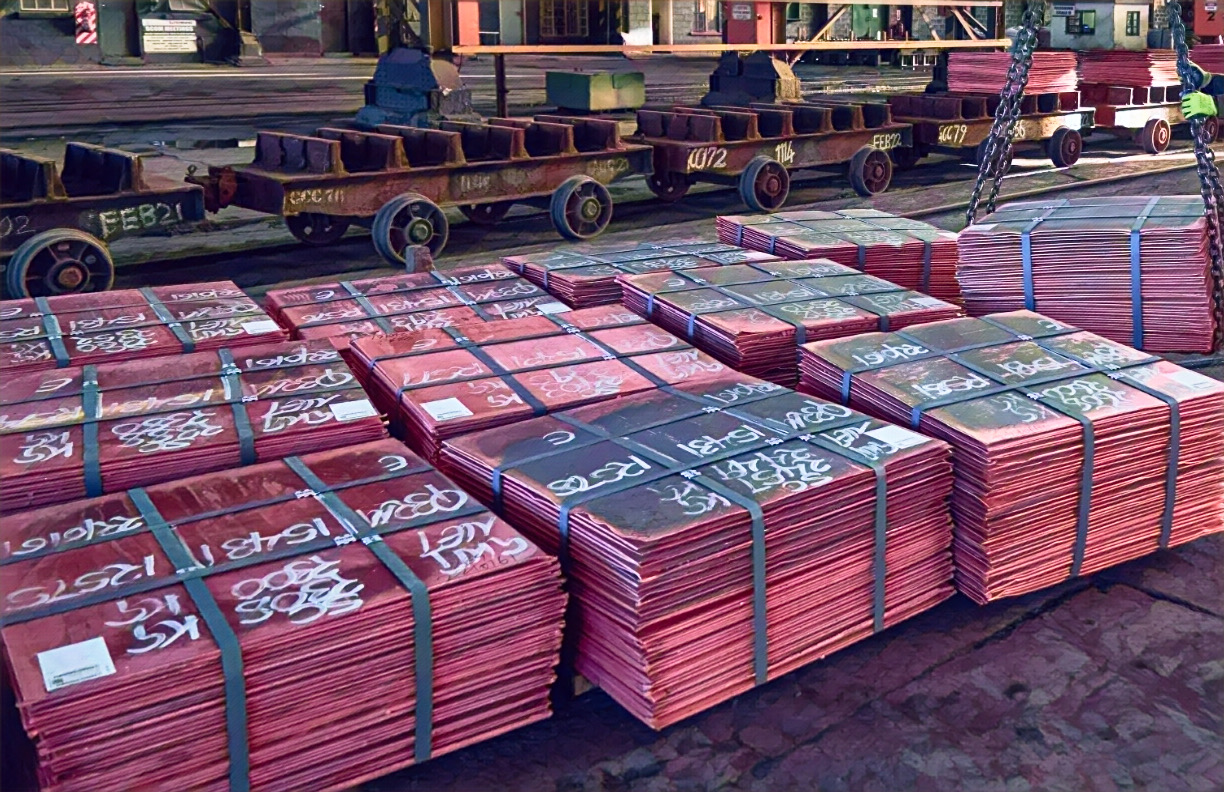
Beyond increasing output, the government wants Zambia to capture a greater share of the value generated from its mineral resources. Historically, the country has exported copper cathodes to China and other industrialised markets. However, Hichilema has called for greater domestic processing and manufacturing, including cooperation with the Democratic Republic of the Congo and South Africa to develop an electric vehicle battery industry. Such a partnership could allow the countries to combine their mineral resources with South Africa’s automotive manufacturing capacity. Still, building a competitive regional industry will require investment in technology, infrastructure, skilled labour and reliable electricity.
Workers and communities question their share in Zambia copper
Despite the increase in investment, concerns remain about whether workers are benefiting from the mining boom. Stephen Mwaanga, secretary of the National Union of Miners and Allied Workers, told Al Jazeera that improved copper prices and increased investment had not translated into meaningful improvements in working conditions for many mineworkers. He also noted that mining companies face higher production costs, including fuel expenses. His comments highlight the gap that can emerge between the financial performance of an industry and the experiences of people working within it. For Zambia, the challenge is to ensure that increased production creates better employment opportunities and improves conditions in mining communities.
Electricity supply presents another challenge. Zambia relies heavily on hydropower, leaving its mining industry vulnerable to drought and reduced water levels. The country has faced pressure on electricity generation, forcing it to seek imports and alternative sources of power. Since mining operations require substantial and consistent electricity, supply disruptions can affect production costs and investment plans. The government will therefore need to address energy constraints alongside its production targets. Without reliable power, even well-funded mining projects may struggle to operate at the scale required to meet national ambitions.
Environmental concerns
Environmental concerns have also intensified as mining activity expands. In February 2025, a structural failure at a tailings dam operated by Sino-Metals Leach Zambia released mining waste into the Chambishi Stream, with pollution spreading into the Mwambashi and Kafue river systems. The incident raised concerns about water quality, aquatic life and the livelihoods of communities that depend on the affected waterways.
Zambia has introduced local-content regulations requiring mining companies to allocate at least 20% of their annual procurement budgets for core mining goods and services to local suppliers in 2026, with the threshold scheduled to rise to 25% after one year. However, the wider success of the mining boom will depend on whether investment produces stronger local businesses, improved working conditions and effective environmental protection.