
KEY POINTS
-
Africa’s mining sector could attract more investment over the next three to five years, driven by rising demand for critical minerals.
-
Standard Bank says poor infrastructure, limited exploration and project financing risks could prevent promising mining projects from attracting investment.
-
The bank is exploring partnerships with development finance institutions and export credit agencies to unlock funding for new projects.
Africa’s mining industry is well-positioned to attract increased investment over the next three to five years, supported by geopolitical developments and growing global demand for critical minerals. However, a shortage of new mining projects and persistent infrastructure challenges could limit the sector’s growth.
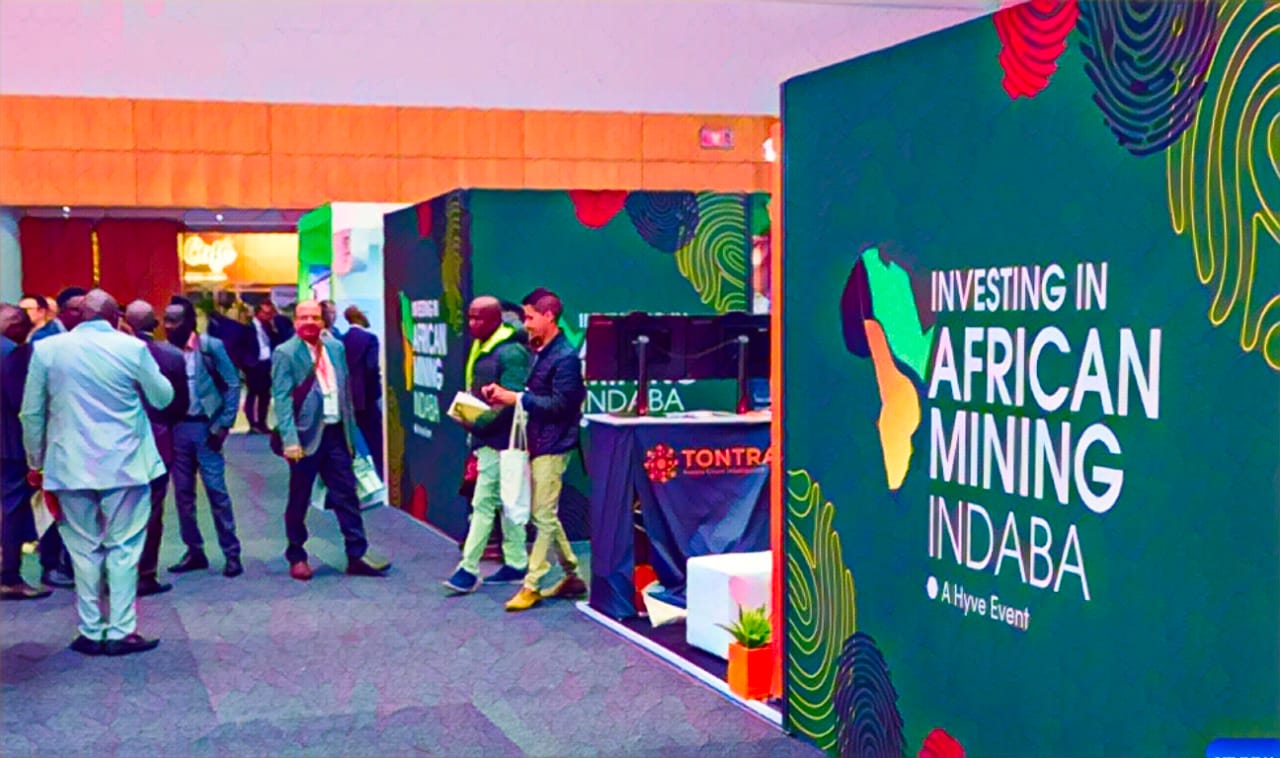
Sean Evans, executive vice-president for mining and metals at Standard Bank Corporate and Investment Banking, made this assessment in an interview with Mining Weekly ahead of the 2027 Investing in African Mining Indaba.
Evans said the bank was seeing considerable interest in gold opportunities across Africa, alongside copper and cobalt projects in the Democratic Republic of Congo (DRC) and Zambia.
Gold has continued to perform strongly, while the Central African Copperbelt, which stretches across northern Zambia and the DRC, remains an important destination for mining investment.
He noted that the global push to secure critical mineral supplies was increasing demand for copper and cobalt, creating opportunities for African producers.
Evans said the world would need several large copper discoveries every year to meet projected supply requirements, making exploration and the development of new deposits increasingly important.
Standard Bank is also seeing growing interest in lithium, graphite and rare earth minerals, with potential investment opportunities emerging in Zimbabwe, Tanzania and Namibia.
Quality deposits remain essential for financing
Despite the growing interest in African minerals, Evans stressed that access to high-quality mineral deposits remains one of the most important conditions for securing mining finance.
He said Standard Bank assesses the technical characteristics of proposed projects, including ore grade, metallurgy, deposit size and mining methods, before considering financing.
The quality of a mineral deposit is particularly important because it determines how competitively a mine can operate and withstand fluctuations in commodity prices.
According to Evans, projects with high-quality orebodies are better positioned to remain profitable when mineral prices decline because they can maintain relatively favourable production costs.
He explained that a strong deposit gives mining companies the flexibility to withstand periods of weaker market conditions without immediately threatening the financial viability of their operations.
Other factors influencing the bank’s financing decisions include political and regulatory stability, transparent mining legislation, security of tenure and the ability of investors to repatriate funds.
The strength of project sponsors, availability of infrastructure, transport and logistics arrangements, as well as access to affordable electricity, also play significant roles in determining whether a project can attract funding.
Banks explore alternative financing arrangements
Evans said geopolitical developments were creating opportunities for more diversified financing structures, particularly for greenfield mining projects that have traditionally struggled to secure investment.
Standard Bank is increasingly engaging with development finance institutions (DFIs) and export credit agencies (ECAs) in the United States, Europe and the Middle East to explore financing arrangements that combine different sources of capital and risk protection.
These partnerships could help reduce the financial and political risks associated with developing mining projects in African countries.
DFIs can provide funding for projects with development potential, while ECAs may offer political risk insurance and other forms of protection against commercial risks.
Evans said these arrangements could allow commercial banks such as Standard Bank to participate in projects that might otherwise struggle to obtain financing.
He added that the bank’s international presence and knowledge of African markets placed it in a strong position to work with these institutions and help mobilise investment.
However, he cautioned that alternative financing arrangements would not compensate for poorly designed projects. Mining proposals must still demonstrate strong technical foundations and clear economic viability before they can attract serious financial backing.
Africa needs to revive mineral exploration
Beyond financing, Evans identified the revival of exploration as a major priority for the continent’s mining industry.
A former exploration geologist, he said Africa needed to rebuild the active junior mining exploration culture that had previously helped generate discoveries, particularly in West Africa.
Junior exploration companies play an important role in identifying new mineral deposits and developing projects that can eventually attract larger mining companies and institutional investors.
Evans said governments could encourage exploration by simplifying licensing procedures, reducing approval delays and improving transparency in the mining sector.
He also called for greater access to information about mineral deposits and mining licences, alongside incentives that would make African countries more attractive to exploration companies.
Other priorities include strengthening geological surveys, improving access to exploration equipment and services, and creating more competitive operating conditions.
Without a steady pipeline of new discoveries, Africa could struggle to translate rising global demand for its mineral resources into new mining developments.
Infrastructure gaps threaten project viability
Infrastructure remains another major obstacle to mining investment across Africa.
Evans said inadequate railway and road networks, unreliable or expensive electricity and limited access to water were increasing operating costs and weakening the economics of mining projects.
In some cases, these constraints could make otherwise attractive mineral deposits financially unviable or unbankable.
Mining operations require dependable infrastructure to transport equipment, move minerals to processing facilities and export markets, and maintain consistent production.
The availability of affordable electricity is particularly important for energy-intensive mining and mineral processing activities.
Evans said African governments would need to address these shortcomings while strengthening mining regulations and protecting investors’ rights if they hoped to attract more international capital.
Mining Indaba expected to focus on investment readiness
Looking ahead to the 2027 Investing in African Mining Indaba, Evans said governments and industry stakeholders must make sustained progress on the fundamentals required to support mining development.
He argued that Africa had a strong opportunity to become a more important supplier of the minerals needed by the global economy, but the continent must address the challenges preventing investment from reaching viable projects.
He said improvements in exploration, legislation, infrastructure and financing conditions would be essential to turning international interest into actual investment commitments.
Evans concluded that Africa had a bright future in supplying the world’s critical mineral needs, provided governments and industry players focused on resolving the structural problems holding back the sector.
His comments form part of Mining Weekly’s interview series ahead of the 2027 Investing in African Mining Indaba, which examines investment prospects, opportunities and challenges shaping the continent’s mining industry.