
KEY POINTS
-
Lundin Mining recorded more than $1.1bn in quarterly revenue for the fourth consecutive quarter.
-
Severe winter weather forced the company to cut its 2026 copper production forecast to 285,000 to 310,000 tonnes.
-
Chapada’s expansion and the Vicuña copper-gold project continue to advance.
Canadian mining company Lundin Mining recorded another strong financial quarter, generating more than $1.1 billion in revenue for the three months ended September 30, 2026, as record copper prices boosted earnings.
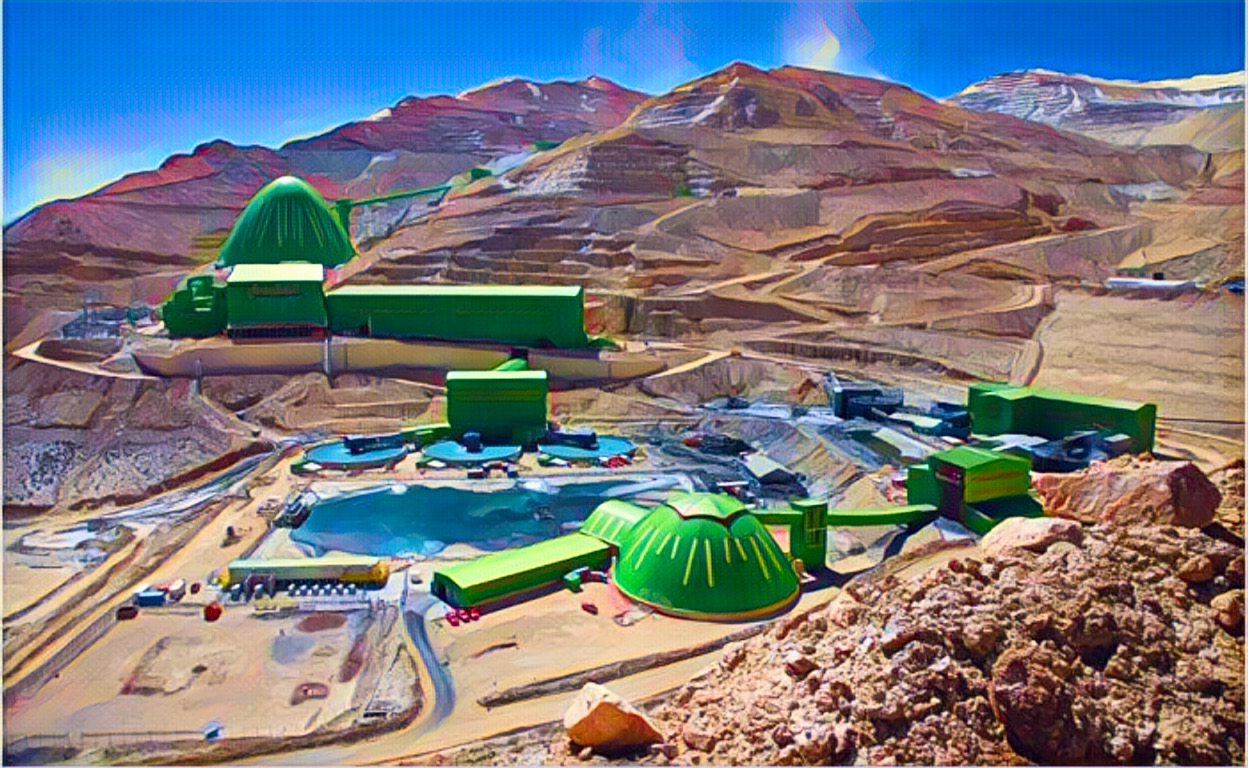
The Toronto-listed company achieved its fourth consecutive quarter of revenue exceeding $1 billion, although severe winter weather at its Caserones copper mine in Chile forced it to reduce its full-year production forecast.
Lundin Mining reported $418 million in free cash flow from operations during the quarter, ending September with a net cash position of $237 million.
Copper production reached 62,610 tonnes, while gold output stood at 36,763 ounces. The company also reported a consolidated cash cost of $2.01 per pound of copper.
Chief executive officer Jack Lundin said the strong performance was supported by higher realised copper prices. He noted that adjusted earnings before interest, taxes, depreciation and amortisation (EBITDA) had reached $1.9 billion year to date, while free cash flow from operations stood at $1.2 billion.
Both figures have already exceeded the company’s full-year 2025 totals, putting Lundin Mining on course for another record financial year.
Chile and Brazil operations deliver strong results
Lundin Mining’s Candelaria copper mining complex in Chile and Chapada copper-gold mine in Brazil recorded solid operational performances during the quarter.
Copper production at Candelaria increased by 13% compared with the second quarter, while Chapada achieved its highest quarterly copper and gold output of the year.
The performance at Chapada contributed to the company’s overall production results, with the Brazilian operation also advancing plans to expand its processing capacity.
However, operations at the Caserones copper-molybdenum mine in Chile continued to face difficulties caused by severe winter conditions and the effects of the ongoing Super El Niño weather pattern.
The disruptions affected open-pit mining activities, reducing the amount of ore that could be transported to the processing plant.
Snowmelt during the fourth quarter further reduced haulage rates and limited ore deliveries to the mill, forcing the company to lower its production expectations again.
Caserones weather disruptions force production cut
Lundin Mining has reduced its full-year copper production guidance for Caserones to between 105,000 and 115,000 tonnes.
The revised forecast represents a further reduction from the previous target of 120,000 to 130,000 tonnes, which had already been lowered from an initial range of 130,000 to 140,000 tonnes.
The company had also revised its annual cash cost guidance for the operation from $2.05 to $2.25 per pound to between $2.15 and $2.35 per pound.
Jack Lundin said the production shortfall largely represented deferred output rather than permanently lost production. He expects operational performance to recover during 2027 as the effects of the weather disruptions ease.
Following the latest adjustment, Lundin Mining’s consolidated copper production guidance for the full year has been reduced to between 285,000 and 310,000 tonnes.
The company’s consolidated cash cost guidance is now between $1.95 and $2.15 per pound of copper.
Chapada expansion remains on schedule
Despite the operational challenges in Chile, Lundin Mining is continuing to invest in projects intended to increase production over the longer term.
At the Chapada mine in Brazil, construction of an additional ball mill is progressing, with earthworks and concrete pouring already under way.
The project was approximately 15% complete at the end of the reporting period and remains on schedule for commissioning in late 2027.
The additional processing equipment is expected to strengthen the mine’s production capacity and support the company’s broader growth strategy.
Vicuña project advances towards investment decision
Lundin Mining also reported progress at the Vicuña copper-gold district, located along the border between Chile and Argentina.
The company secured a long-term provincial agreement with the government of San Juan province in Argentina and obtained approval to construct a high-voltage powerline that will connect the project to the national electricity grid.
The Vicuña district comprises the Filo del Sol and Josemaria mineral deposits and is operated through a 50:50 joint arrangement between Lundin Mining and global mining group BHP.
The latest approvals and agreement represent important steps towards developing the project, which is expected to become a significant contributor to the company’s future copper and gold production.
Lundin said it was working towards making a final investment decision on the project before the end of 2026.
The company is pursuing these developments as part of its ambition to become one of the world’s ten largest copper producers.
Strong financial position supports growth plans
Lundin Mining said its strong balance sheet and pipeline of development projects continued to support its growth strategy despite the difficulties at Caserones.
The company’s net cash position of $237 million at the end of September provides financial flexibility as it advances expansion work at Chapada and prepares for a potential investment decision on Vicuña.
The company expects its long-term growth projects to strengthen its position in the global copper market, where demand for the metal remains important to electrification, infrastructure development and the energy transition.