
KEY POINTS
-
DR Congo suspends SAEMAPE chief over alleged failure to stop illegal mining.
-
The order accuses him of improper revenue collection on licensed concessions.
-
The government steps up mining reforms and restarts operations at Musompo trading centre.
The Democratic Republic of Congo (DR Congo) has suspended the head of its state agency responsible for overseeing artisanal and small-scale mining, accusing him of failing to prevent illegal mining activities on licensed concessions.
Mines Minister Louis Kabamba Watum suspended Jean-Paul Kadiobo Kapongo, director general of the Service d’Assistance et d’Encadrement de l’Exploitation Minière Artisanale et à Petite Échelle (SAEMAPE), on October 21, according to an official order seen by Reuters.
The suspension comes as the country intensifies efforts to regulate its mining sector, strengthen oversight of mineral production and attract investment amid renewed activity by informal miners in areas reserved for industrial operators.
Minister Cites Failure to Stop Illegal Mining
The suspension order accused Kapongo of failing to take adequate measures to prevent unauthorised artisanal mining on licensed concession areas, particularly in Lualaba and Haut-Katanga provinces.
Both provinces are important mining regions in southern DR Congo, with substantial deposits of copper and cobalt that attract local and international mining companies.
The minister’s order took immediate effect and was formally communicated to government agencies and provincial authorities on October 22.
Kapongo had not immediately responded to requests for comment at the time of the Reuters report.
The suspension places renewed attention on SAEMAPE’s responsibility to supervise artisanal and small-scale mining activities and ensure that informal miners operate within the applicable legal framework.
Agency Accused of Improper Revenue Collection
Beyond the alleged failure to prevent illegal mining, the suspension order accused Kapongo of improperly establishing SAEMAPE revenue-collection services within mining concession areas.
According to the document, the practice deprived licensed permit holders of the full exercise of their rights over their concessions.
The order also warned that the arrangement could expose the Congolese government to potential liabilities arising from damages suffered by third parties.
The allegations point to concerns over the boundaries between the agency’s regulatory responsibilities and the rights of companies holding valid mining permits.
Licensed mining operators generally expect their concession rights to be protected against unauthorised extraction and interference. The allegations against Kapongo suggest that the government is seeking to address perceived weaknesses in the enforcement of those rights.
The claims, however, remain allegations contained in the suspension order and have not been independently established in the report.
Rising Metal Prices Fuel Artisanal Mining
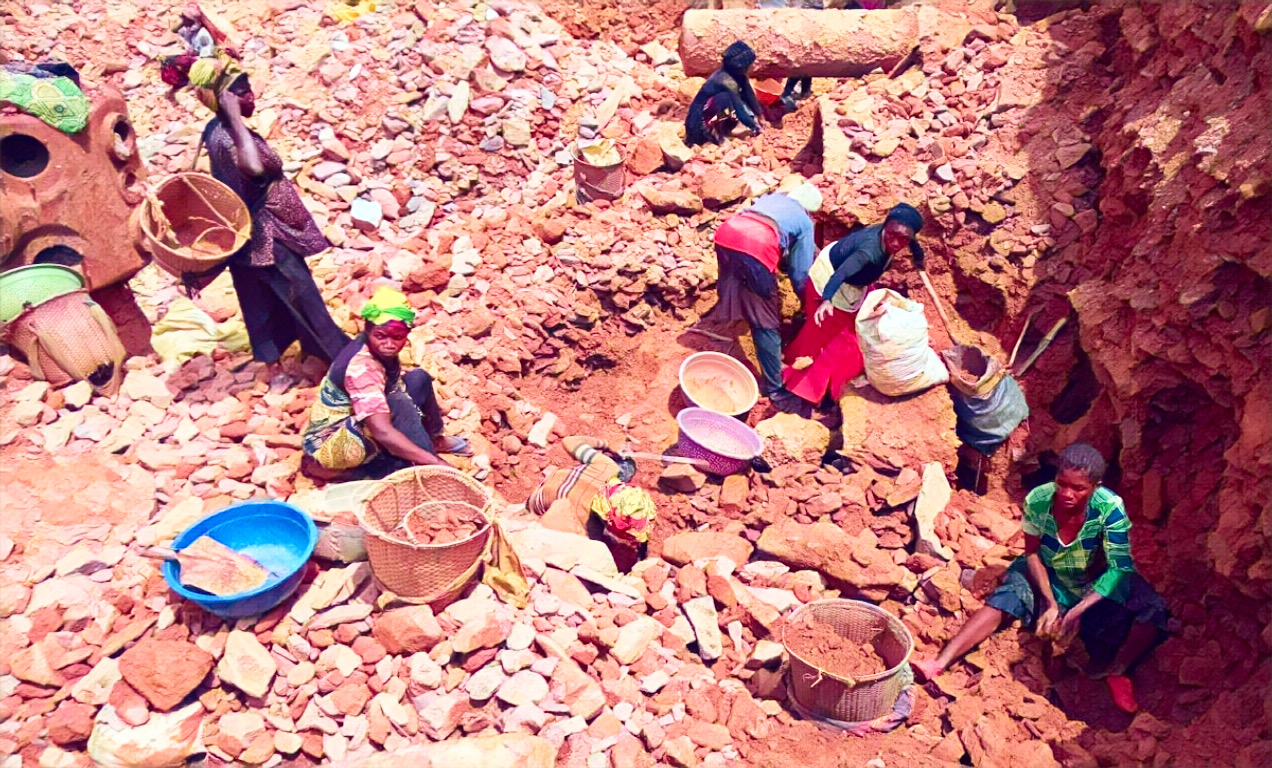
DR Congo is experiencing a resurgence in artisanal mining as higher metal prices attract thousands of informal miners to licensed concession areas.
Artisanal mining provides livelihoods for many people, but unauthorised operations within industrial concessions can create disputes over access to mineral resources, operational control and compliance with mining regulations.
The growing presence of informal miners in licensed areas has also increased tensions between artisanal miners and industrial operators seeking to protect their assets and maintain production.
Major mining companies operating in the country include China Molybdenum Company (CMOC), Glencore, Ivanhoe Mines and Eurasian Resources Group (ERG).
As one of the world’s most important sources of strategic minerals, DR Congo faces the challenge of balancing the economic importance of artisanal mining with the need to enforce concession rights and maintain effective oversight of the industry.
Government Steps Up Mining Reforms
The suspension comes as Kinshasa pursues mining partnerships with the United States, China and European countries while implementing reforms intended to improve governance and attract investment.
The government has stepped up enforcement efforts as it seeks to strengthen confidence in the country’s mineral sector and improve the management of its natural resources.
Clearer rules, stronger regulatory supervision and improved enforcement are important to companies investing in long-term mining projects, particularly in copper and cobalt production.
DR Congo is the world’s largest cobalt producer and the second-largest copper producer, making its mining policies significant to global supply chains for batteries, electric vehicles and other industrial applications.
Weak oversight and disputes over mining rights can create uncertainty for investors, while effective regulation can help improve transparency and protect legitimate operations.
Musompo Trading Centre Resumes Operations
Authorities have also restarted operations at the Musompo trading centre near Kolwezi, a key facility intended to improve transparency in mineral transactions.
The centre is designed to support more reliable mineral sales through certified weighing and analysis of minerals traded through the facility.
Its reopening forms part of broader efforts to strengthen controls over the movement and sale of minerals, particularly those produced by artisanal miners.
Reliable weighing, testing and documentation can help improve accountability in mineral trading and provide greater clarity about the quantities and quality of materials being sold.
The government’s actions, including Kapongo’s suspension and the resumption of operations at Musompo, reflect its wider efforts to tighten supervision of the mining sector.
The effectiveness of these measures will depend on consistent enforcement, clear regulatory responsibilities and the ability of authorities to prevent unauthorised mining while ensuring that legitimate artisanal and industrial operations comply with the law.