
KEY POINTS
-
Pensana is seeking $75 million to $90 million in equity financing for its Angola rare earth mine.
-
Longonjo targets commissioning in January 2028 and full production by September 2028.
-
Initial output is projected at 20,000 tonnes of mixed rare earth carbonate annually, rising to 40,000 tonnes in Year 4.
London-listed Pensana is continuing discussions with major shareholders and other investors to secure between $75 million and $90 million in equity financing for its Longonjo rare earth mine in Angola, as it works towards starting production in 2028.
The funding will support the mine’s commissioning and transition to full production, with major shareholder Cascade expected to provide a significant portion of its investment within the next 14 days.
Pensana said the project’s construction schedule was 30 per cent complete, while more than 60 per cent of procurement spending had already been committed. However, progress towards commissioning depends partly on concluding the outstanding equity financing.
Cascade expected to provide additional funding
Pensana is in discussions with Cascade and other major shareholders to secure the equity required by its subsidiary, Ozango Minerais, to advance the project.
The proposed financing is expected to range from $75 million to $90 million. Cascade has committed a total of $165 million to the project but has so far invested $15 million.
The company expects Cascade to deploy a significant portion of the outstanding investment within the next 14 days, although the funding process remains subject to the ongoing discussions.
Securing the equity is an important step towards completing construction, commissioning the mine and preparing it for commercial production.
Longonjo targets production in 2028
Longonjo is regarded by Pensana as one of the world’s largest undeveloped rare earth deposits. The company expects it to become one of the first major rare earth mines to enter production in the past decade.
The project is designed to produce mixed rare earth carbonate (MREC), a material containing a mixture of rare earth elements used in the supply chain for various industrial and advanced technology applications.
Initial production is expected to reach 20,000 tonnes of MREC annually, with output projected to increase to 40,000 tonnes a year by the fourth year of operation.
Pensana plans to begin commissioning in January 2028, with full production targeted for September 2028.
The company is also working towards securing binding offtake agreements and debt approvals by February 2027. These arrangements are important for establishing sales commitments and completing the financing needed to advance the project.
Construction and procurement progress
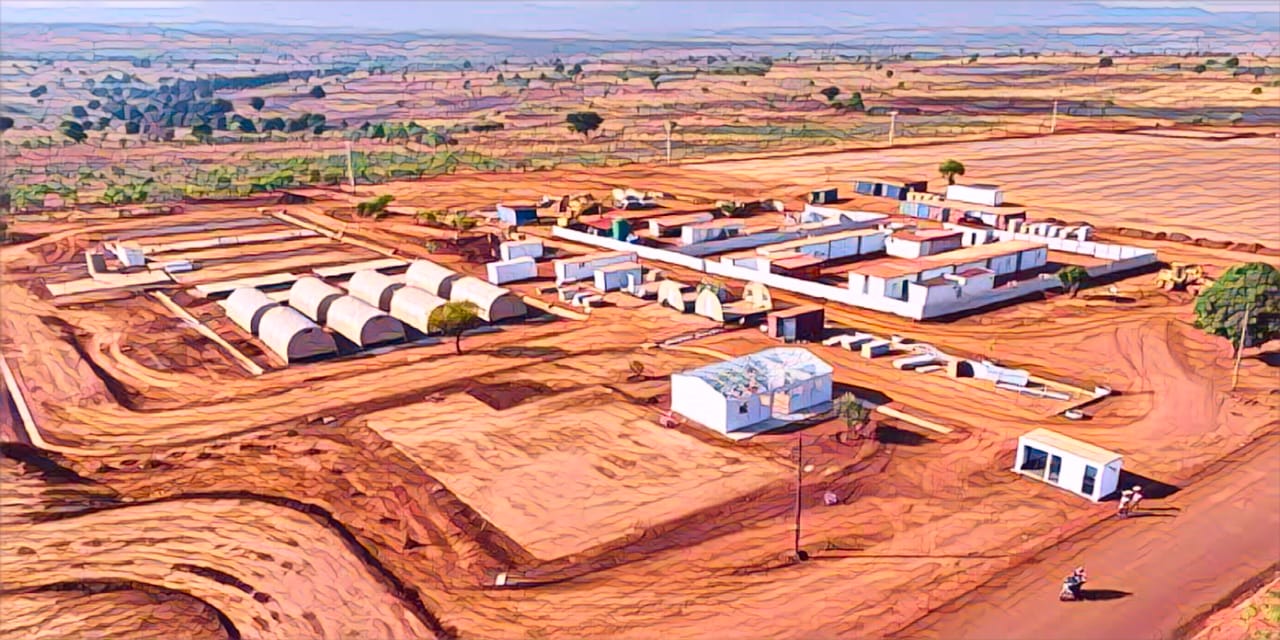
Pensana said Longonjo was fully permitted and engineered, with overall construction progress at 30 per cent.
More than 60 per cent of procurement expenditure has been committed, indicating that a substantial portion of the equipment and project-related purchasing process is already in place.
The company has spent more than $90 million developing Longonjo, taking it from exploration towards production over approximately nine years.
According to Pensana, this compares favourably with the global average development period of more than 16 years for most mines, based on data from S&P Global Market Intelligence.
The company’s immediate priority is to complete the outstanding equity financing and maintain progress towards its planned commissioning schedule.
Hydropower and rail link support the project
Longonjo’s development plan includes a power purchase agreement for hydropower supplied from the Laúca dam in Angola.
The agreement is intended to provide electricity for the mining operation, while the project’s planned export route will use the Port of Lobito and the Lobito Corridor railway.
The rail corridor offers a route for transporting minerals towards the coast for export, connecting the mine’s production to international markets.
The combination of planned hydropower supply and rail-based exports is expected to support the mine’s operating and logistics arrangements as it moves towards production.
Financing remains key to delivery
Although Longonjo has made progress on engineering, construction and procurement, completion of the equity financing remains a key milestone.
The planned production schedule will also depend on securing the expected debt approvals and binding offtake agreements, alongside the remaining construction and commissioning work.
If completed as planned, the mine would add a significant source of rare earth supply to global markets, with the potential to strengthen Angola’s role in the sector.
For Pensana, bringing Longonjo into production would mark the culmination of years of development spending and establish a new operating asset with plans to expand output after its initial production phase.