
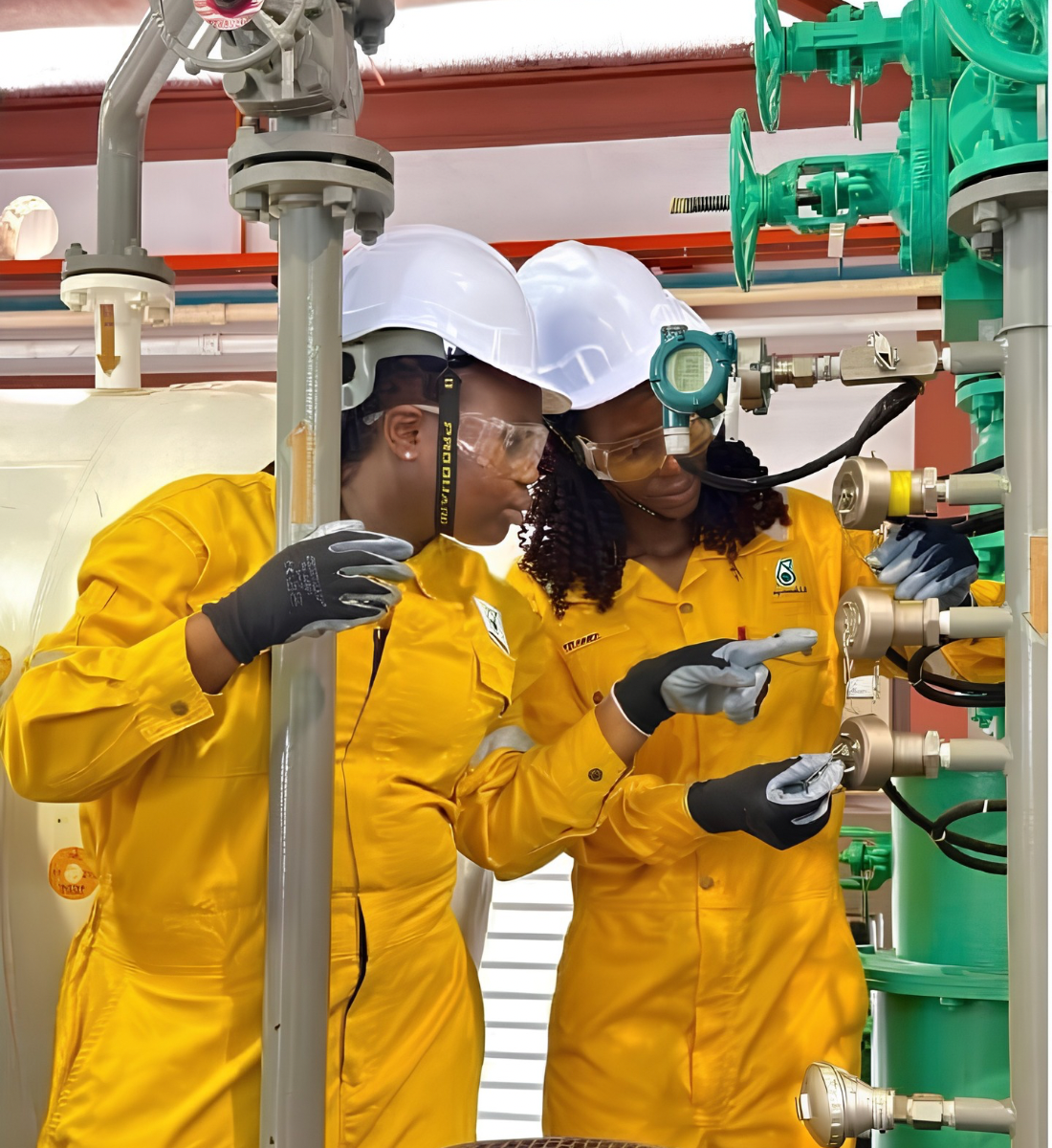
The Nigerian Mining and Geosciences Society warned Friday that an upstream skills gap could undermine growth in the country’s petroleum sector. It urged universities, government and industry to produce professionals who are better prepared for the job.
The society, known as NMGS, made the call at the third NMGS/ND Western/Layi Fatona Annual Lecture Series at the University of Ibadan’s Department of Geology. ND Western Ltd., a Nigerian oil exploration company, sponsored the event. This year’s theme was the development of geoscience human capital for the upstream sector, drawing on the experience of Degeconek Hydrocarbon Asset Management Company.
NMGS President Rose Ndong told the audience that Nigeria’s upstream competitiveness depends on more than reserves, technology and money. Just as important, she said, is the quality of the people who explore, evaluate, develop and manage those resources. She called for closer cooperation among universities, professional bodies, government and industry so training keeps pace with digital tools, artificial intelligence and the energy transition.
Experience matters as much as a degree
Guest speaker Abiodun Adesanya, chief executive of Degeconek, put the problem plainly. “The biggest challenge is getting the right, trained and educated individuals,” he said.
Adesanya argued that a university degree is only the starting point. Young geoscientists also need practical experience, mentorship, exposure to real industry data and continuing professional development, he said. He encouraged universities and employers to introduce students to artificial intelligence, which he described as a tool for working faster and more efficiently, not a replacement for skill.
He also urged younger professionals to go abroad for conferences and international forums, where they can measure their knowledge against global standards.
A proposed fund to widen student exposure
Layi Fatona, chairman of ND Western and the lecture’s chief host, offered one practical idea. He proposed a Student Science Development Fund to help students attend conferences, join professional bodies and present their research. Fatona said the fund should run as a sustainable endowment, with the University of Ibadan’s geology department serving as the pilot. He suggested a governance structure with NMGS to keep it going.
Osayande Igiehon, chief executive of Heirs Energies, praised Fatona’s work on building local technical capacity. He said Africa’s goal of energy sufficiency has to rest on a competent workforce. The university’s vice chancellor, Kayode Adebowale, was represented by Deputy Vice Chancellor Simisola Akintola.
Part of a wider push
The message is not new. Speakers at last year’s lecture also tied human capital development to Nigeria’s energy security. Industry groups are making a similar case. The Oil and Gas Trainers Association of Nigeria told a conference in Warri in August that rebuilding investor confidence in the upstream sector depends as much on a trained, certified workforce as on fiscal terms or security.
What remains unclear is who will pay for it. The fund Fatona proposed is a first concrete offer, but it is a pilot, and the wider gap will take far more than one endowment to close.