
KEY POINTS
- A European Commission spokesperson said the EU “remains committed” to opposing new Arctic oil and gas drilling and to not buying hydrocarbons from new Arctic fields.
- Norway, Europe’s biggest gas supplier and not an EU member, is pushing Brussels to lift the moratorium, arguing new Barents Sea output would bolster energy security.
- The EU is set to publish its revised Arctic policy on October 20, with investors and campaigners urging it to hold the line.
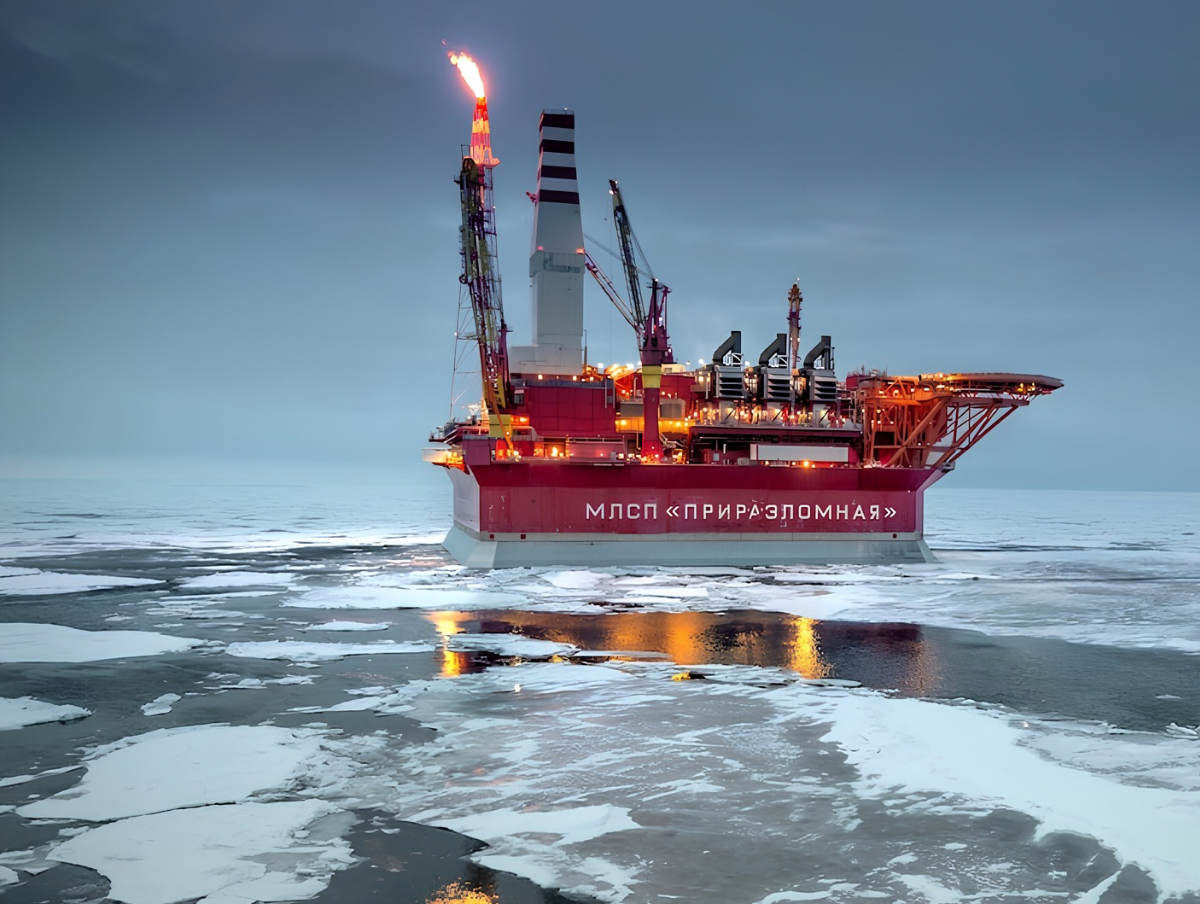
The European Union will keep opposing new oil and gas drilling in the Arctic, a European Commission spokesperson said on Monday, resisting pressure from Norway to abandon the bloc’s stance ahead of a policy revision.
Brussels currently backs a ban on new Arctic drilling over environmental concerns, including the threat that industrial activity and pollution pose to fragile Arctic ecosystems. Moreover, the EU has vowed not to purchase hydrocarbons from any new Arctic fields, a position now under strain as Norway lobbies for change.
Norway pushes for a rethink
Norway, Europe’s biggest gas supplier, is not an EU member but wants Brussels to lift the moratorium. Specifically, its ageing fields mean Norwegian output is set to decline in the 2030s unless companies such as Equinor make fresh discoveries beyond mature areas. Consequently, Oslo sees new Barents Sea development as central to sustaining supply.
Norway’s energy minister Terje Aasland said last month the country will keep developing its oil and gas regardless of the EU’s position. Furthermore, he framed continued Arctic production as an energy-security benefit for Europe, citing an unstable geopolitical and security environment.
Brussels holds its line
The Commission gave little ground. According to its spokesperson, the EU “remains committed” to the approach set out in its 2021 Arctic policy communication, even as work on the revised policy continues. Meanwhile, the bloc is racing to cut reliance on imported fuel after two energy shocks: Russia slashing gas deliveries in 2022 and this year’s price surge as the Iran war roils markets.
Not everyone wants the ban lifted. Notably, some investors and campaigners urge Brussels to hold firm, arguing new Arctic fields would take more than a decade to come online and so cannot ease Europe’s present energy strain. Ultimately, the EU is due to publish its new Arctic policy on October 20, when the debate will sharpen.