
KEY POINTS
- Ariana Resources is targeting its first gold production from Zimbabwe’s Dokwe project in 2028.
- Dokwe holds 1.13 million ounces of reserves and could produce up to 100,000 ounces annually over a 20-year mine life.
- The project reflects renewed foreign investor interest in Zimbabwe’s gold sector after years of limited major international investment.
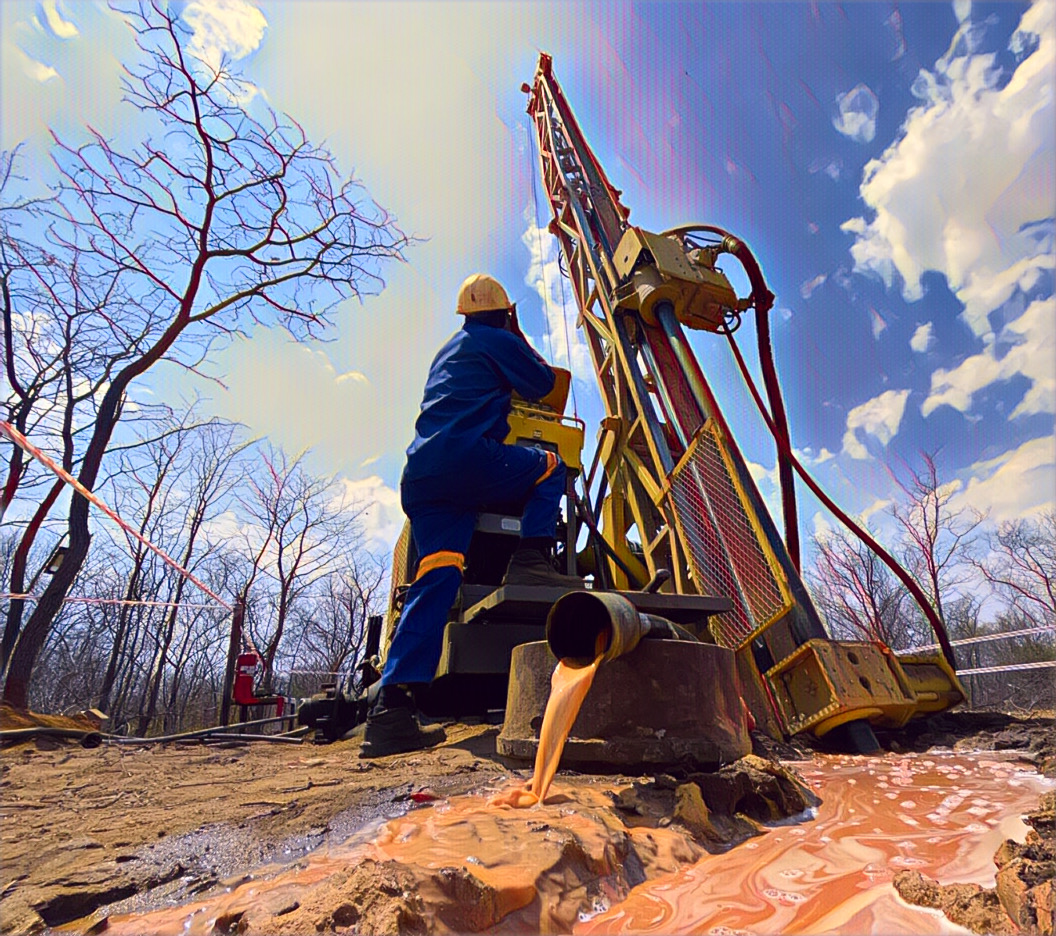
London-listed Ariana Resources is targeting 2028 for its first gold production from the Dokwe project in Zimbabwe, in what could become one of the country’s most significant new mining developments in decades.
Ariana Managing Director Kerim Sener said the company is aiming to begin pouring gold in 2028, subject to the successful completion of the project’s definitive feasibility study and other development milestones.
The Dokwe project is located about 110 kilometres northwest of Bulawayo, Zimbabwe’s second-largest city. It is regarded as the first large-scale greenfield gold project to advance in the country in several decades.
According to Ariana’s pre-feasibility study, Dokwe contains an estimated 1.13 million ounces of gold reserves.
The proposed open-pit operation is expected to produce up to 100,000 ounces of gold annually at its peak, with the mine projected to operate for approximately 20 years.
Ariana plans to complete a definitive feasibility study in the first quarter of 2027. If the project progresses as planned, construction and development could pave the way for the first gold pour the following year.
Sener said the company was particularly attracted to Dokwe because of its scale and its position as what Ariana considers Zimbabwe’s largest undeveloped gold deposit.
Straightforward Metallurgy Could Support Development
Ariana also sees the deposit’s metallurgy as an advantage. Sener said a significant proportion of the gold appears suitable for recovery through gravity processing, potentially making the extraction process less complex than some other deposits.
The company’s decision to develop Dokwe also represents a departure from the more common strategy of acquiring existing or previously developed mining assets, known as brownfield projects.
The project comes as Zimbabwe attempts to attract greater foreign investment into its mining industry.
Zimbabwe has a long-established gold-mining history, but the sector experienced severe difficulties following the departure of several major international mining companies, including Rio Tinto, Delta Gold and Kinross, more than two decades ago.
The exits occurred amid a prolonged period of political and economic instability.
Since then, a combination of mid-sized mining companies and small-scale operators has helped revive the country’s gold industry. Zimbabwe produced 46.7 metric tonnes of gold in 2025, a substantial increase from just three tonnes in 2008.
The country’s leading producers now include foreign-listed Caledonia Mining Corporation and Namib Minerals, state-backed Mutapa Gold Resources and a mining subsidiary of locally owned Padenga.