
KEY POINTS
- Brent rose 3.58 percent to $91.25 and WTI 3.55 percent to $86.36 after US strikes on Iran’s Larak Island and Tehran’s reported retaliation.
- Analysts tied the rally to renewed supply fears, though thin UK-holiday trading amplified the move.
- Strait traffic fell to five vessels a day, a tanker was struck, and the US signaled weekly new sanctions on Iran.
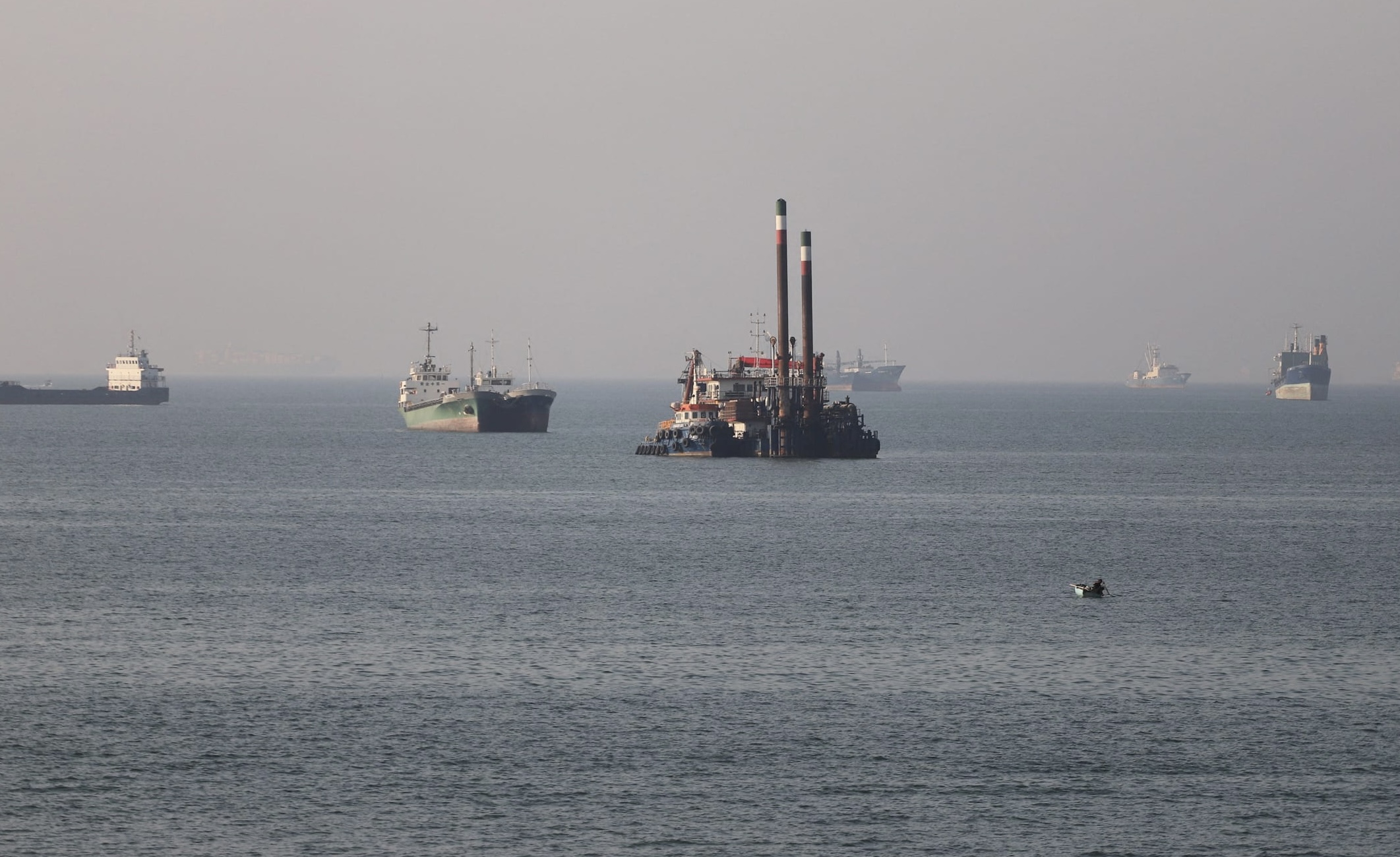
Oil prices rose more than 3.5 percent on Monday after the United States struck an Iranian island in the Strait of Hormuz and Tehran said it retaliated, as the conflict pushed into its sixth month.
Brent crude futures gained 3.15 dollars, or 3.58 percent, to 91.25 dollars a barrel by 0903 GMT, while US West Texas Intermediate rose 2.96 dollars, or 3.55 percent, to 86.36. Moreover, the jump reversed part of last week’s slide, though both benchmarks still tracked toward modest August losses.
Strikes reignite supply fears
The rally followed a sharp military escalation. Specifically, US forces hit two launchers on Iran’s Larak Island in the strait on Sunday, the first known American strikes since late July. In response, Iran attacked two US air bases in Jordan, Iranian media reported on Monday, citing the Revolutionary Guards.
According to UBS analyst Giovanni Staunovo, renewed Middle East strikes and fears of further supply disruptions lifted prices, and markets will now watch closely for any de-escalation. However, some of the move reflected thin trading during a UK public holiday, Saxo Bank analyst Ole Hansen said.
Hormuz risks keep traders wary
Meanwhile, the strait itself stayed tense. President Donald Trump claimed on Sunday that Iran’s Kharg Island energy hub was being blown to smithereens, yet no evidence supported an attack, and his post included an AI-generated video with no further detail. Furthermore, Iran denied any strike on the island and said oil operations continued as normal.
Shipping data underlined the caution. Specifically, visible commodity vessels transiting the strait fell to five a day over the weekend, while the UK Maritime Trade Operations agency said a tanker took a projectile while entering the strait on Saturday. Additionally, mediation to reopen Hormuz, the route for a fifth of global oil before the war, remained stalled.
Ultimately, more pressure looms. Treasury Secretary Scott Bessent told Reuters the US will likely impose new secondary sanctions on Iran every week, while Trump said oil from a fresh Venezuela deal would refill the Strategic Petroleum Reserve, now near its lowest in 44 years.