
KEY POINTS
- Kinross has completed the first blast for Great Bear’s exploration decline in Ontario.
- Surface construction is 93% complete, with major construction expected to begin next year.
- First production is targeted for 2029, with peak annual output projected at more than 500,000 ounces of gold.
Kinross Gold’s Great Bear gold project in northwestern Ontario, Canada, has reached a significant development milestone after the successful completion of the first blast for its exploration decline.
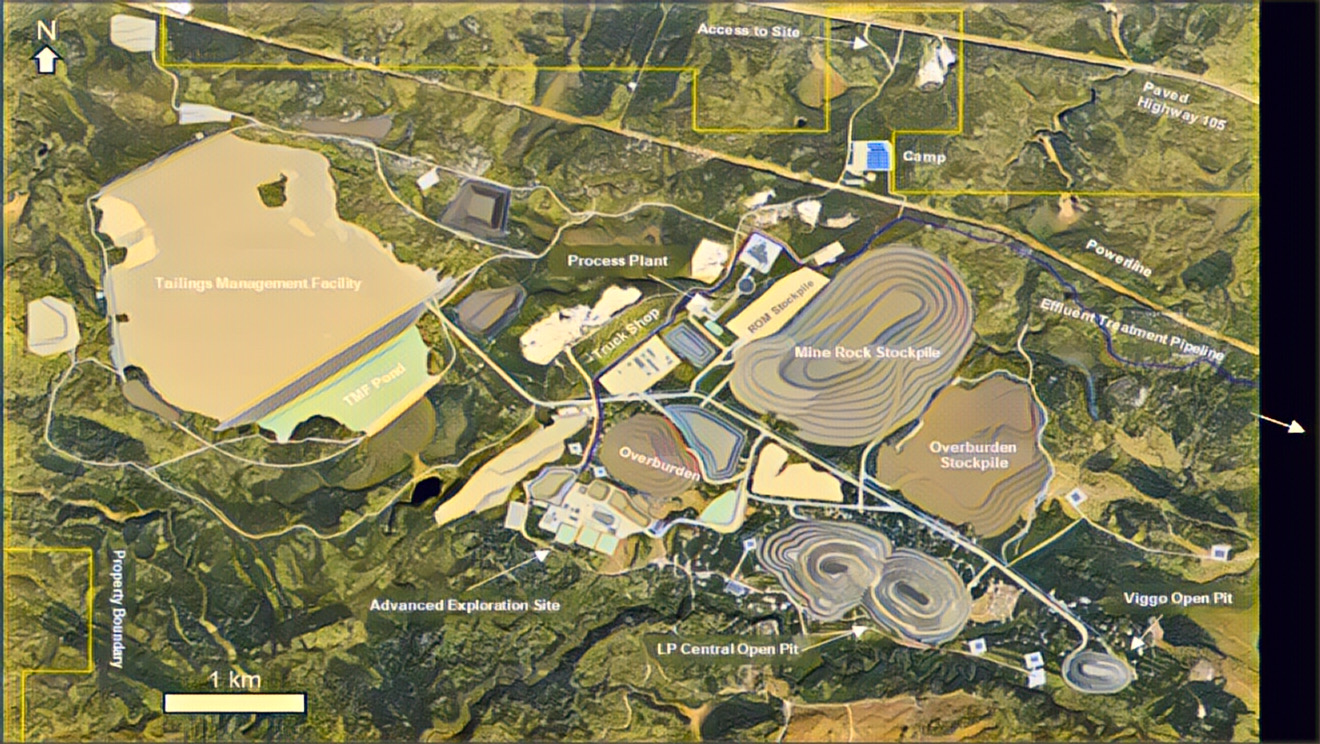
The blast marks the start of an important phase of the project’s advanced exploration programme (AEX), which is designed to provide underground access to the orebody and support further drilling and resource definition.
The Great Bear project is regarded as a major high-grade gold development in the Red Lake mining district. Kinross is targeting the start of gold production in 2029, with major construction activities expected to begin next year.
Great Bear is being developed as a combined open-pit and underground mining operation.
According to the project’s preliminary economic assessment, the mine is expected to have an initial life of approximately 12 years. At peak production, it is projected to produce more than 500,000 ounces of gold annually, underlining its potential significance to Kinross and the wider Canadian mining industry.
The project’s high-grade mineralisation is one of its major attractions, while the combination of open-pit and underground operations is expected to allow Kinross to access different parts of the resource efficiently.
Underground Work to Support Further Exploration
The exploration decline is expected to play an important role in improving the understanding of the Great Bear resource.
Underground development will provide access for infill drilling, which is intended to improve the definition and confidence of the existing resource. It will also allow Kinross to conduct exploration drilling aimed at identifying extensions of the known mineralisation.
This work could potentially provide additional information about the size and quality of the deposit as the project moves closer to full-scale development.
Progress has also continued on surface infrastructure following the receipt of permits for the advanced exploration programme in April.
Kinross has continued final earthworks and the installation of liners for the remaining ponds and stockpile pads. Surface construction associated with the programme is now 93% complete.
The high level of completion suggests that the project is moving steadily through its development schedule as Kinross prepares for the next major stage of construction.
The Great Bear project has also benefited from Ontario’s One Project, One Process framework.
The provincial government placed the project under the framework in February. The initiative is intended to streamline provincial approvals and Indigenous consultation, with the broader objective of reducing permitting timelines that have traditionally taken many years.
Under the streamlined process, the province aims to reduce the traditional decade-long permitting timeline to about two years.
Faster regulatory coordination could help Kinross maintain momentum as the project advances towards major construction and eventual production.
Great Bear is located on Treaty 3 territory and within the traditional lands of the Wabauskang and Lac Seul First Nations.
Kinross has been working with the First Nations as partners in the development of the project. Indigenous consultation and participation remain an important component of the project’s progression through the regulatory and development stages.
The relationship is particularly significant as mining projects in Canada increasingly place greater emphasis on Indigenous engagement, environmental considerations and community participation.
With the exploration decline now progressing and surface construction nearing completion, Great Bear is moving closer to its next major development phase.
Major construction is expected to begin in 2027, while Kinross continues to work towards its target of first gold production in 2029.
If the project advances according to schedule, Great Bear could become a significant new source of high-grade gold production, with its projected peak output of more than 500,000 ounces per year giving it an important role in Kinross’ future production portfolio.